Personal Care OEM & ODM
128 models across 19 grooming, massage and body care types — massage guns, hair clippers, electric shavers, foot spa basins, callus removers, neck and back massagers, IPL hair removal devices and gua sha tools. Personal care is the category where the regulatory route splits: most of it is ordinary consumer electrical goods, and a few of the products are regulated quite differently.
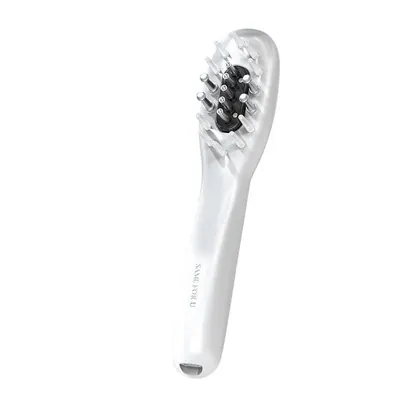
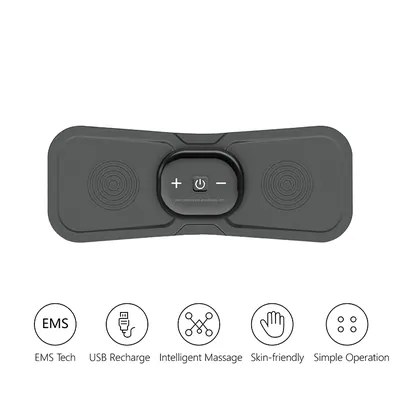
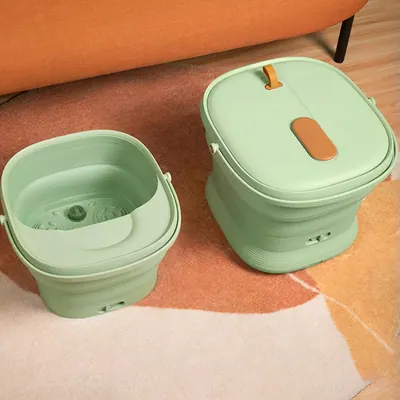
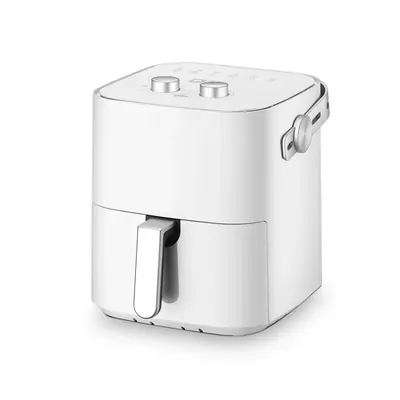
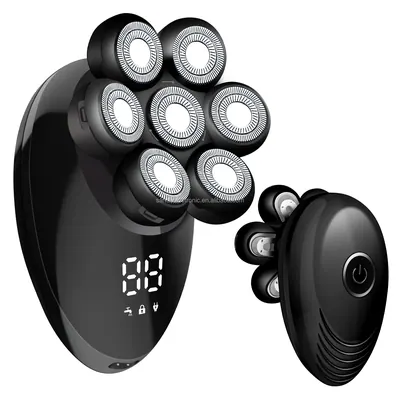
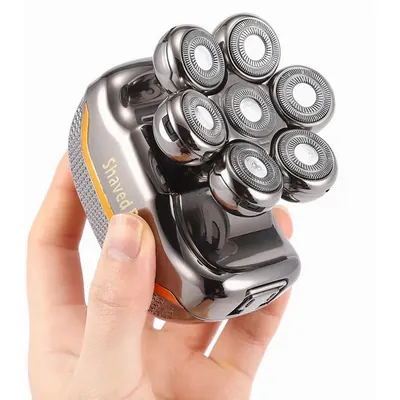
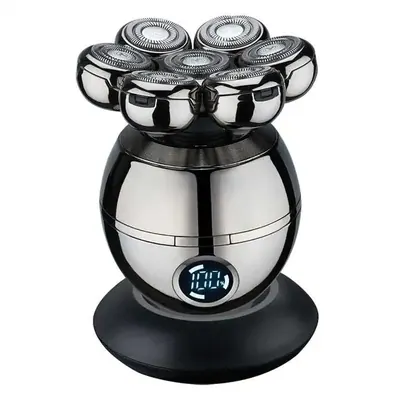
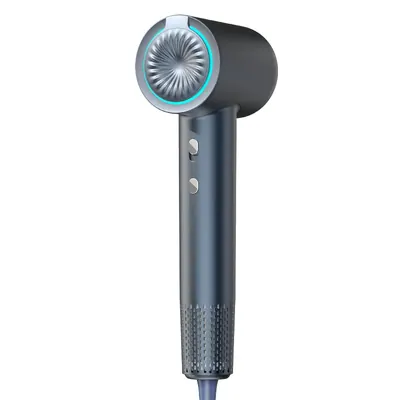
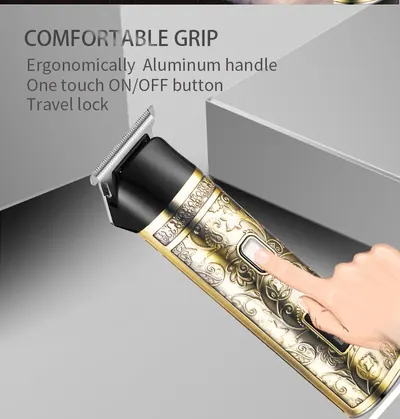
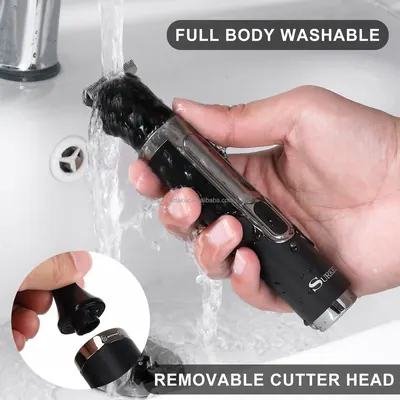
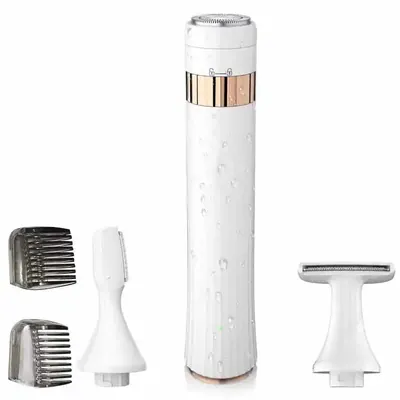
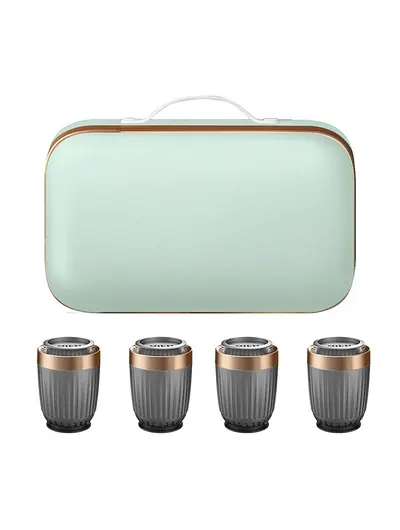
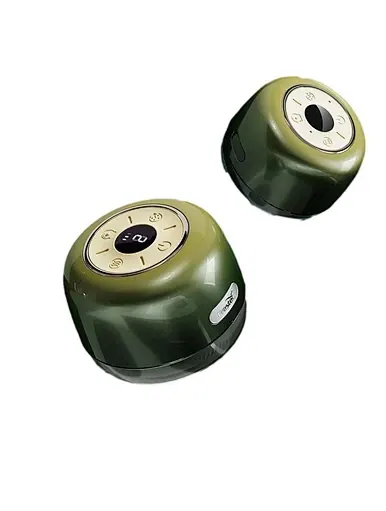
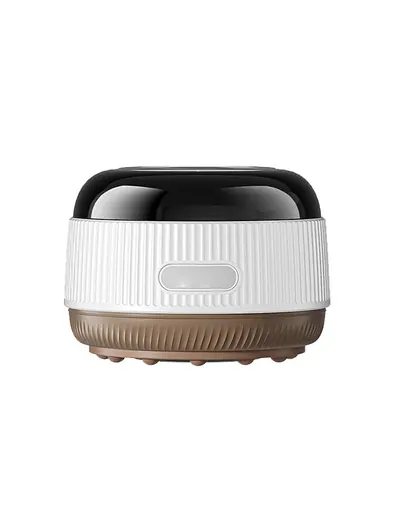
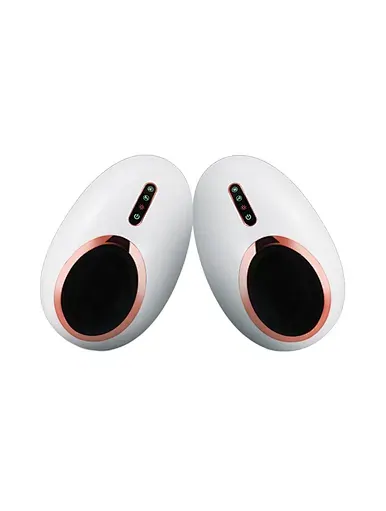
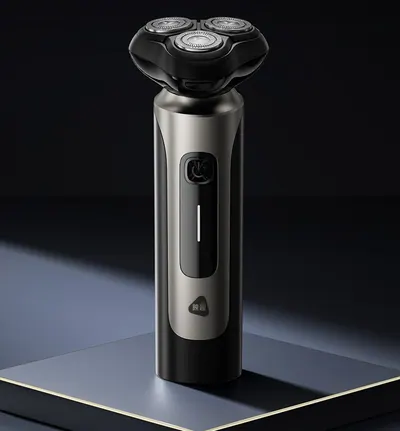
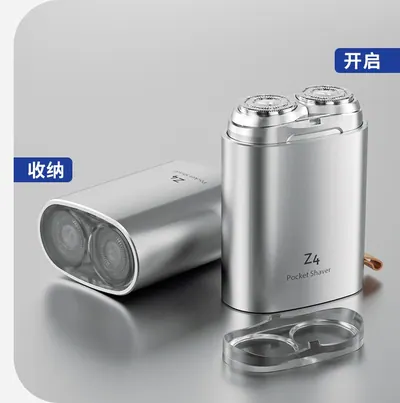
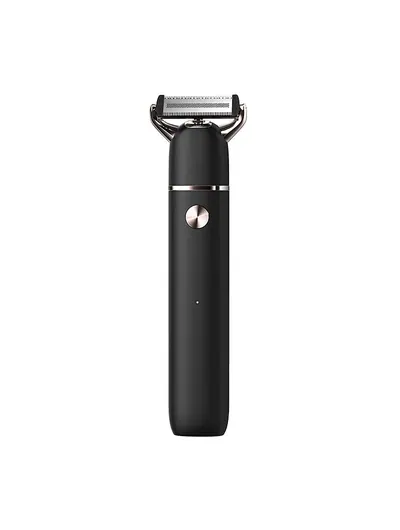
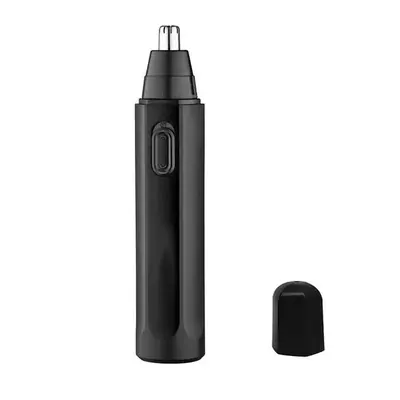
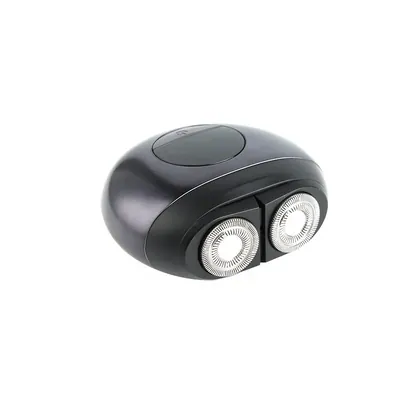
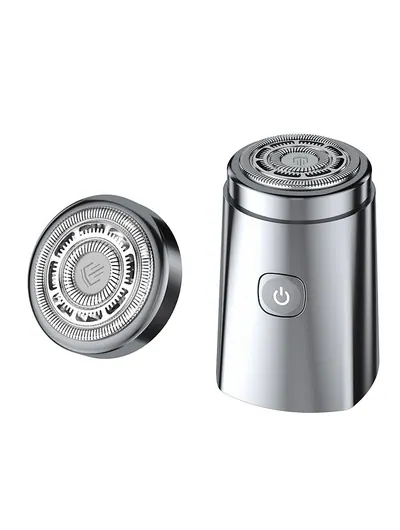
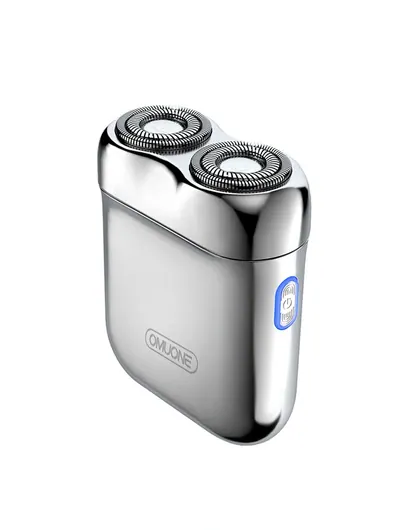
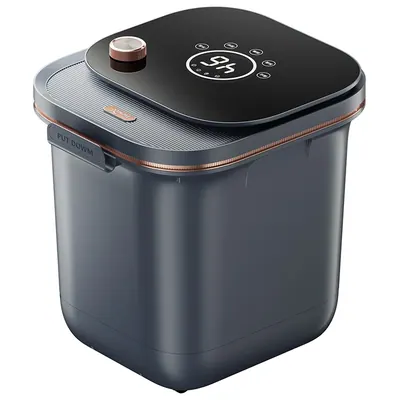
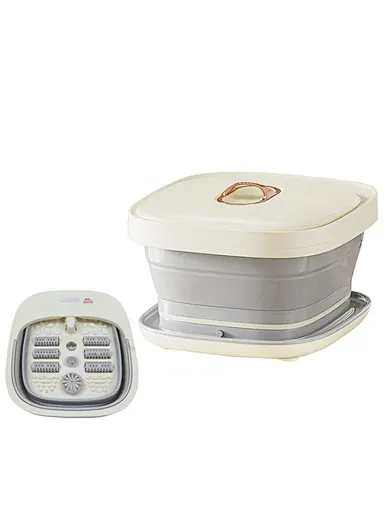
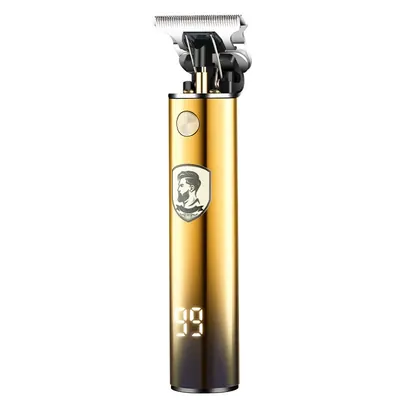
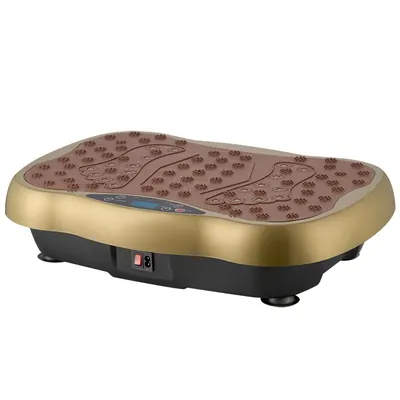
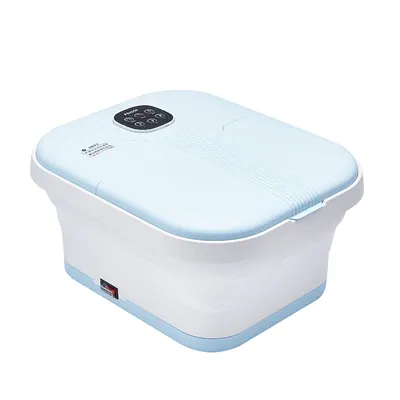
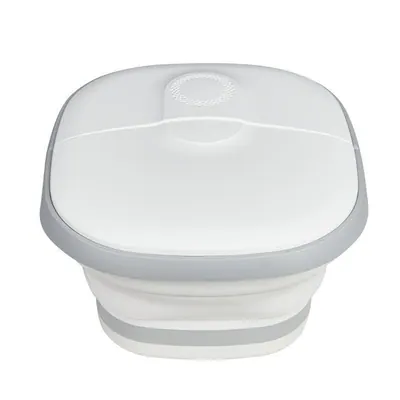
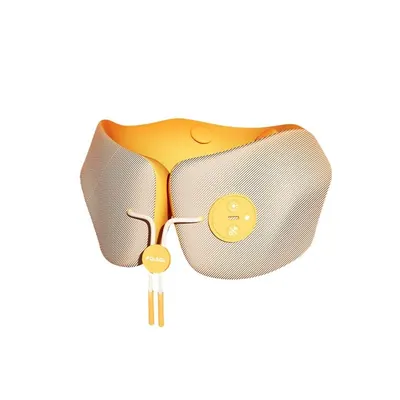
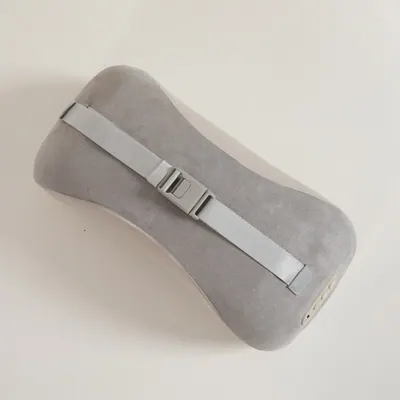
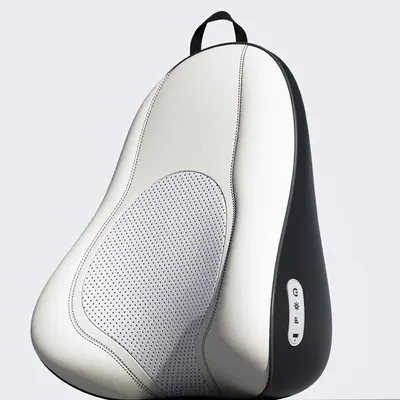
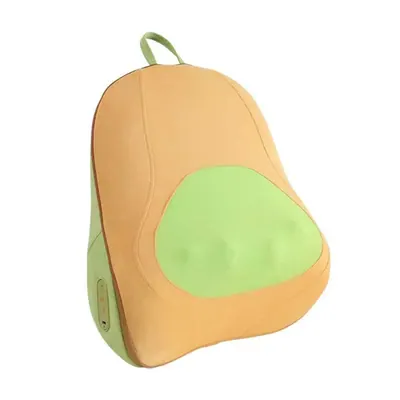
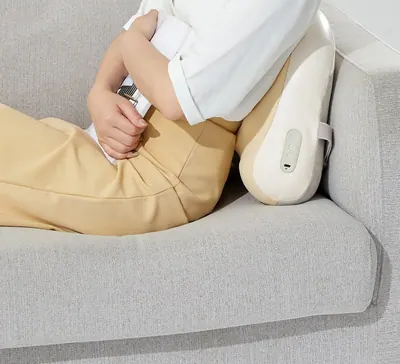
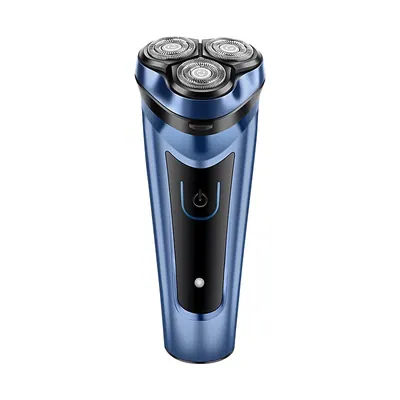
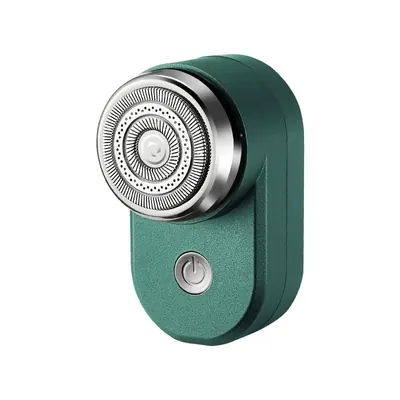
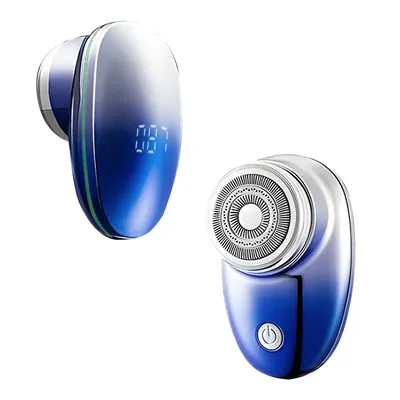
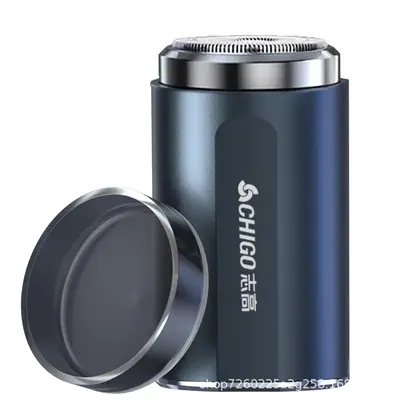
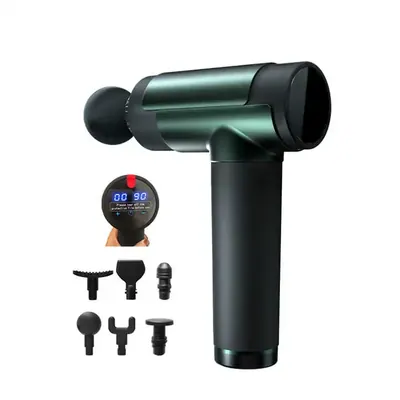
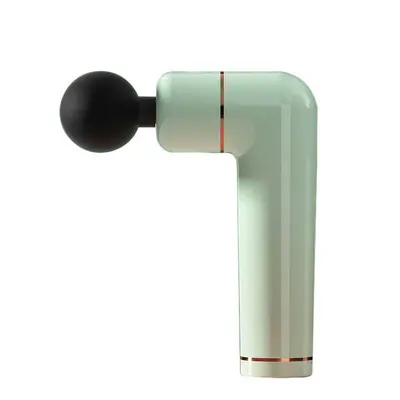
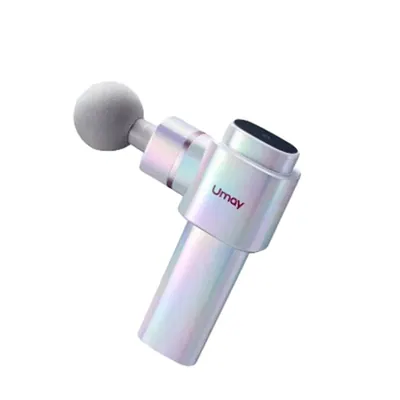
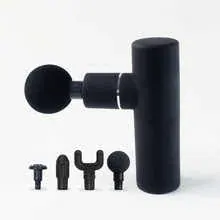
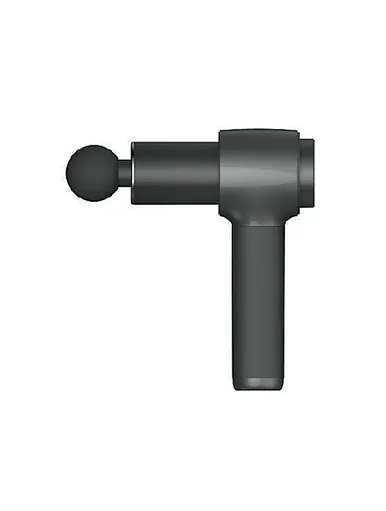
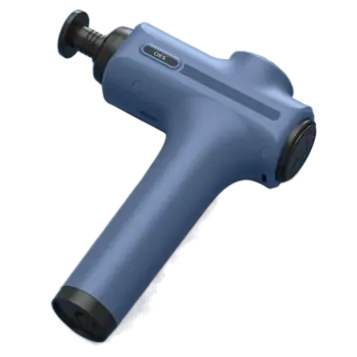
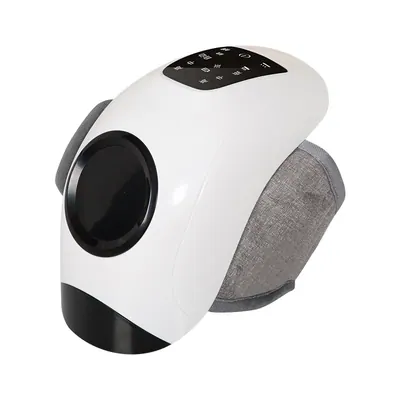
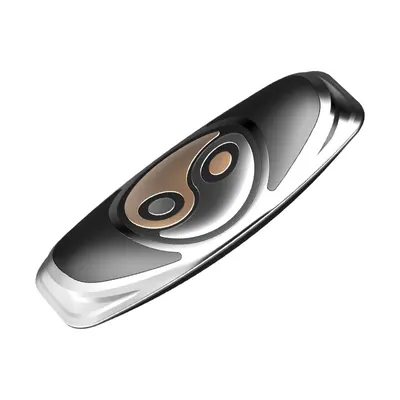
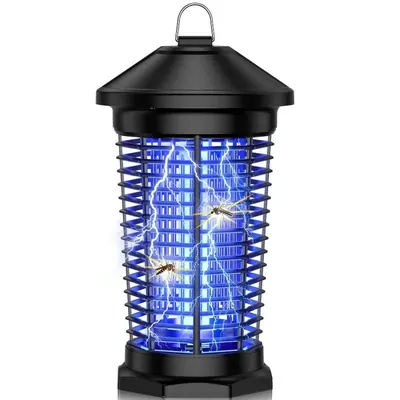
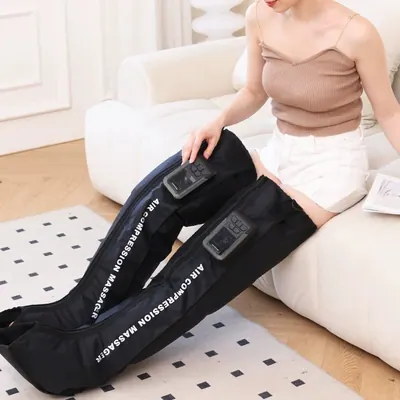
More Personal Care models with full specifications
These 15 lines have complete specifications on file — size, weight, carton quantity, MOQ and lead time are published on the model page, so you can quote them without going back and forth.
What the personal care range covers
Grooming is the largest part: hair clippers, electric shavers, nose and ear trimmers, epilators and callus removers. Body care covers massage guns, percussion and EMS massagers, neck, back and foot massagers, and foot spa basins. Skin and light-based devices cover IPL hair removal, gua sha tools, anti-dandruff and massage combs, and blackhead or facial devices.
These do not sit in one retail channel. Grooming goes to appliance and pharmacy chains, massage devices go to sports, wellness and e-commerce channels, and light-based devices often go through cosmetics or clinical retail.
The channels matter because they carry different documentation expectations, and because the claims a product can make are set by the channel and the market rather than by the factory.
One category, two regulatory routes
Grooming and massage appliances are consumer electrical goods. They need electrical safety approval and whatever listing the retail channel requires, and that is broadly it.
Light-based hair removal and some skin devices are not treated the same way. In several markets they are assessed as cosmetic or medical devices, which brings a different conformity route, a different set of claims that may be made, and in some cases a different party responsible for the product on the market.
We do not decide which route applies to your product — that depends on the destination and on how the product is presented. What we can do is tell you, for the model you are considering and the market you are selling into, what we know has been required before, so the question is asked at quotation stage rather than after the goods are made.
Specification decisions that move the unit cost
| Decision | What it changes | Why it moves the price |
|---|---|---|
| Motor type | Brushed or brushless, and the rated speed | A brushless motor costs more and lasts longer; on massage guns it also changes the sound and the feel through the handle |
| Stroke or amplitude | How far the working head travels, and at what force | Longer travel needs a stronger motor, a heavier counterweight and a housing that can absorb the vibration |
| Blade or head material | Stainless steel, ceramic, titanium-coated or ceramic-coated | Coating cost, edge life, and how the head feels against skin — the single most commented-on detail in grooming reviews |
| Battery | Cell capacity, whether the pack is replaceable, and charging interface | Capacity scales the cell cost directly; USB-C charging adds a controller but removes the need to ship a separate adapter |
| Water resistance | Whether the unit can be rinsed or used in a wet room | Sealing adds gaskets and assembly steps, and it constrains the housing design from the start |
| Skin-contact materials | What touches the user, and whether it can be cleaned | Material choice affects both the sensory result and what the product is allowed to claim |
| Display and controls | LED or LCD, presets, app connection | Electronics and firmware cost, plus additional tooling for the panel |
Why grooming appliances get returned
The return reasons in this category are unusually consistent, and they are almost all decided at specification stage rather than in production. A clipper that pulls hair is a blade geometry and motor-speed problem. A shaver that irritates skin is a head material and pressure problem. A massage gun that is uncomfortable is a stroke and amplitude problem, not a power problem.
This matters commercially because a returned grooming product usually ends the customer relationship, and marketplace sellers carry the cost directly. When a buyer tells us what the return complaints have been on a previous order, that is more useful input than a specification sheet, and it is worth passing on at brief stage.
It is also the reason a sample should be used as it is meant to be used, not only inspected. A clipper on a mannequin and a clipper on a person give different answers.
Voltage, plug type and compliance by market
We do not pre-certify every SKU. Testing and certification are arranged for the specific model and the specific market you are ordering for, and quoted as their own line so you can see what they cost.
| Market | Voltage and plug | What is usually required |
|---|---|---|
| European Union | 220–240V, CEE 7/7 (Schuko) | CE marking with test reports behind it. Light-based devices may need a different conformity route depending on how they are presented |
| United Kingdom | 230V, BS 1363 (Type G) | UKCA marking with the test reports, and the same consideration applies to light-based devices |
| North America | 110–120V, NEMA 1-15 or 5-15 | Listings that retailers and marketplaces accept before the product can be sold |
| Australia and New Zealand | 230–240V, AS/NZS 3112 (Type I) | Electrical safety approval, including the charger where one is supplied |
| Middle East and Southeast Asia | 220–240V, plug type varies by country | Depends on the destination; conformity documents are frequently required at customs |
Private label branding on personal care
This is the category where branding matters most, because these products are bought on appearance and held in the hand. A logo printed small on a matte housing reads differently from the same logo on a polished one, and the finish of the housing is often what a buyer approves first.
Silk screen and pad printing are standard on plastic, with heat transfer and laser engraving on metal bodies and coated surfaces. Soft-touch coatings, two-shot mouldings and metal accents all change both the cost and the perceived value, and they should be chosen together with the logo rather than separately.
Packaging carries the gift and pharmacy channels. A color box, a travel case, a gift box and an e-commerce mailer are all available, and the accessory set — combs, guards, heads, a pouch — is frequently the difference between two products at the same price.
How a personal care order runs
The same sequence runs on every order, whether it is one model or a full grooming range.
- Brief — you send the product type, the target market, the channel and, where you have it, feedback on what customers complained about last time.
- Shortlist and quotation — we come back with models, pricing, minimum order quantity, lead time and carton data.
- Artwork proof — logo and packaging are proofed for your approval.
- Sample — a production sample is made and shipped so the feel, the finish and the accessory set can be checked in use.
- Bulk production — production runs to the approved sample.
- Pre-shipment — finished goods are photographed and inspected before dispatch.
- Shipping — sea or air, FOB or CIF as agreed.
Personal care questions buyers ask
Can you make an IPL or light-based device under our brand?
Models exist in the catalog and can be supplied. The important question is not whether we can make it but which conformity route your market applies to it, because for light-based devices that route is not the same as for a clipper or a massager. Tell us the market and how you intend to present the product, and we will tell you what we know has been required before.
What is the minimum order for a personal care appliance?
It is quoted per model, because it depends on the model and on how much of it is already tooled. Both the minimum order quantity and the lead time are stated on the quotation for the specific model you pick.
Do your personal care appliances come with certification?
We do not claim blanket certification across the catalog. Certification is arranged for the specific model and the specific market you are ordering for, and quoted as its own line. Ask us about the model you are considering and we will tell you what exists for it today.
Can we test a sample in real use before ordering?
Yes, and in this category it is worth doing. Blade feel, vibration and head pressure do not show up on a specification sheet and are the reasons these products get returned. A production sample is made and shipped before bulk, and the cost and timing are on the quotation.
Can the same model be supplied in 110V and 220–240V?
Yes, as two production configurations with the matching plug types, or as a USB-charged model where the adapter is not part of the product. Where both are needed they are quoted together.
Can spare heads, blades or combs be supplied for resale?
Yes. Consumables and accessory parts can be quoted as their own line with their own packaging, which is how most buyers turn a single sale into a repeat purchase.
If the appliance you need is not listed in this category, send the specification. The range here is drawn from the Cixi supply chain and it is not exhaustive.
Need help choosing?
Send us the product type, target market and estimated volume — we will shortlist models and quote.