Hair Clipper OEM & ODM
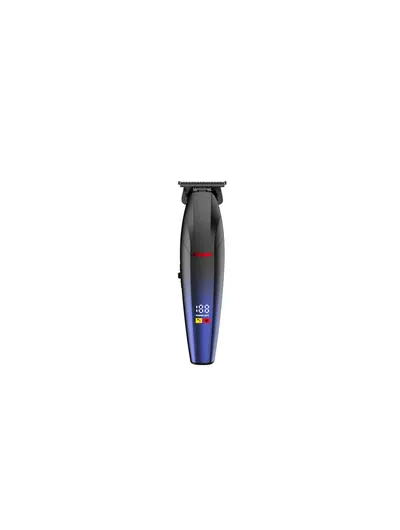
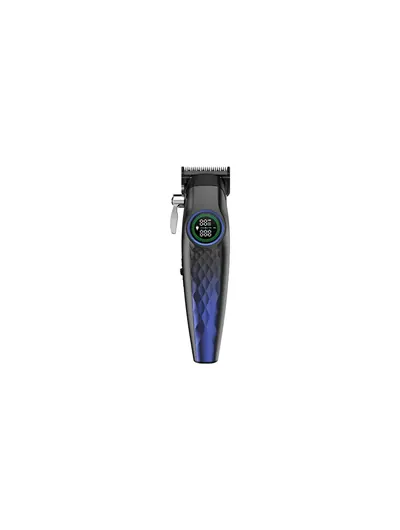
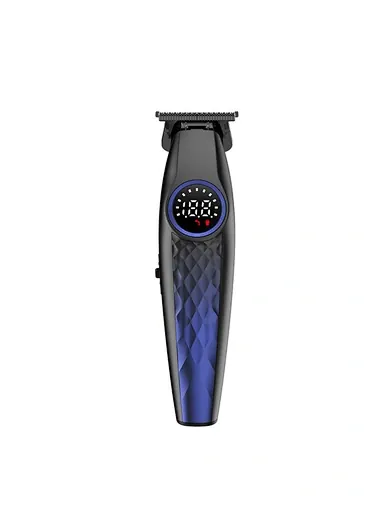
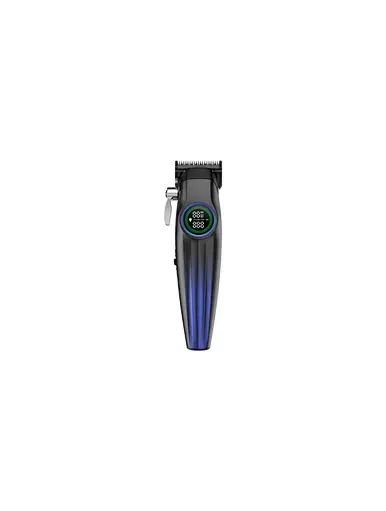
30 hair clipper models, in corded, cordless and combination formats, with steel and ceramic blade sets and a range of guide combs. A clipper is judged almost entirely on one thing: whether it cuts cleanly without pulling, and that is decided by blade geometry and motor behavior under load rather than by the motor's quoted speed.
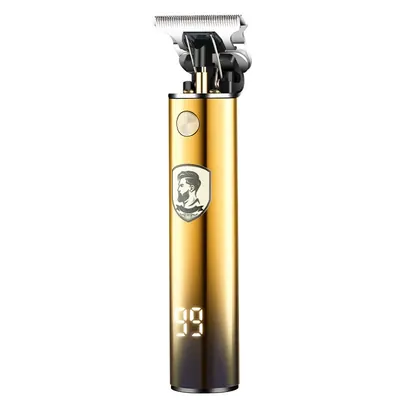
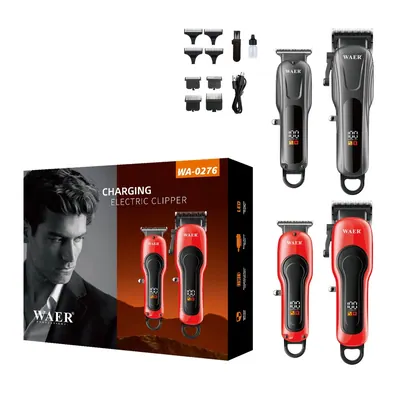
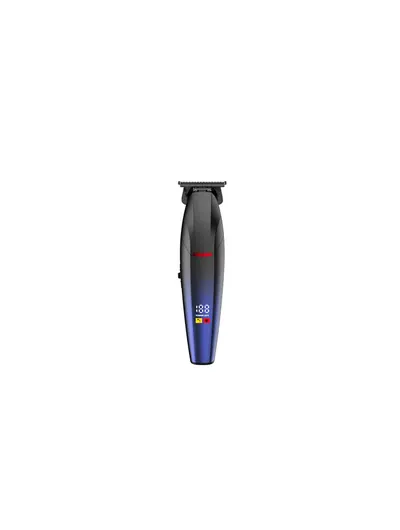
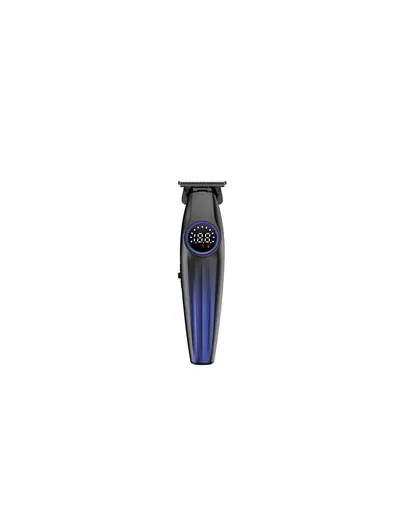
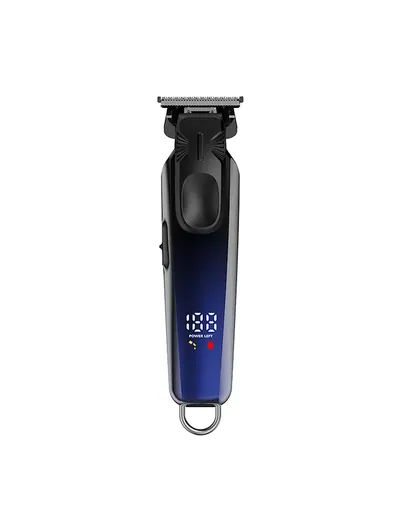
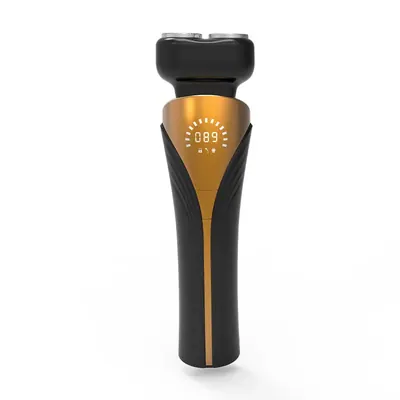
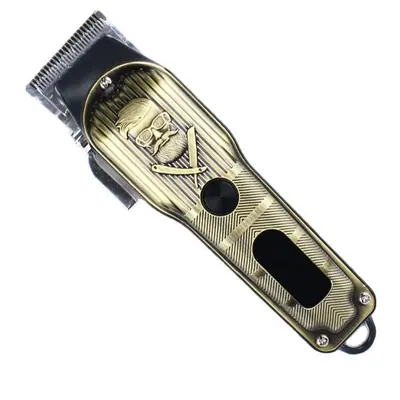
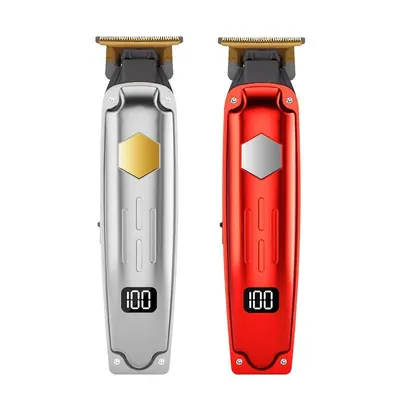
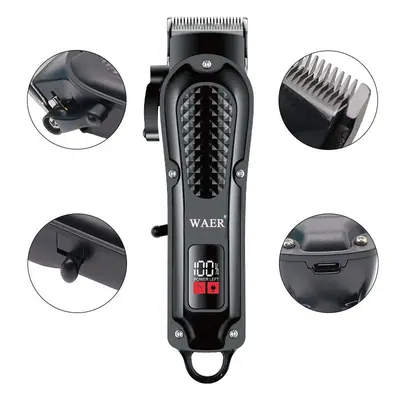
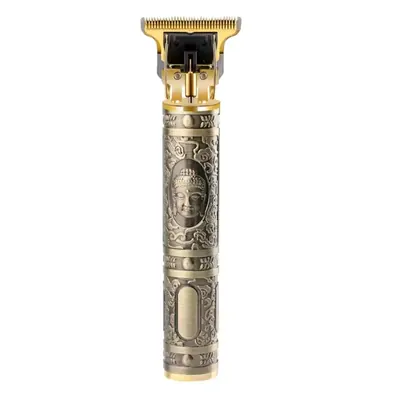
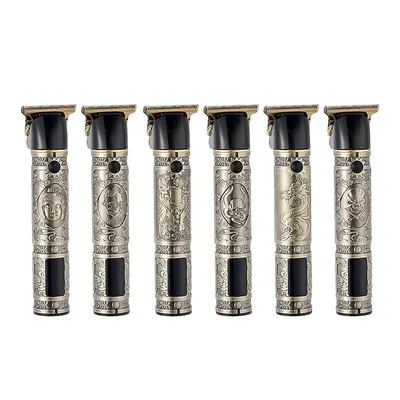
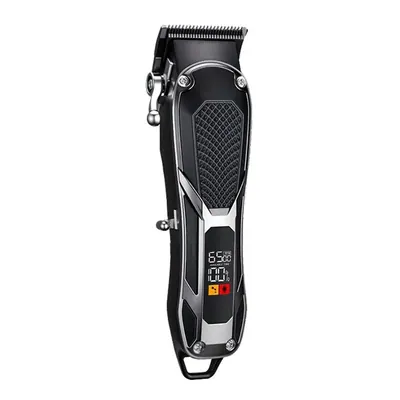
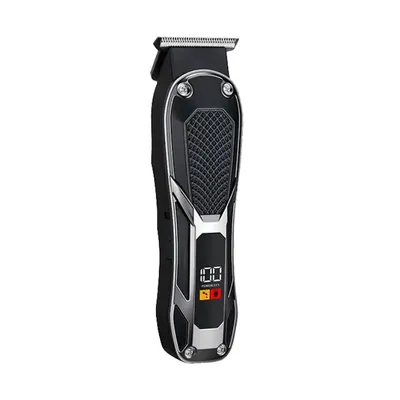
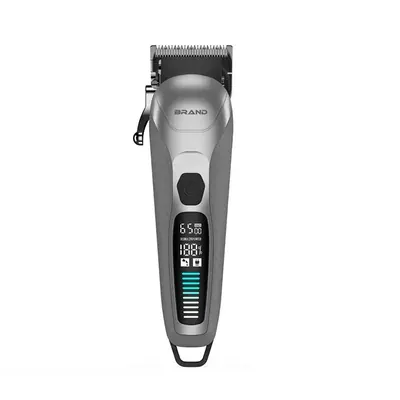
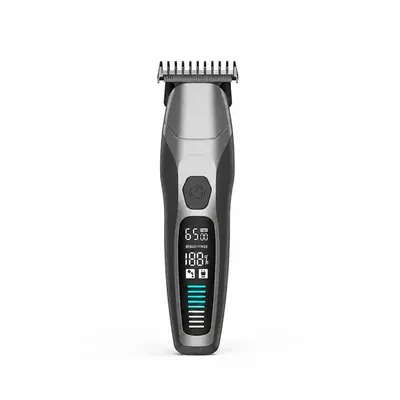
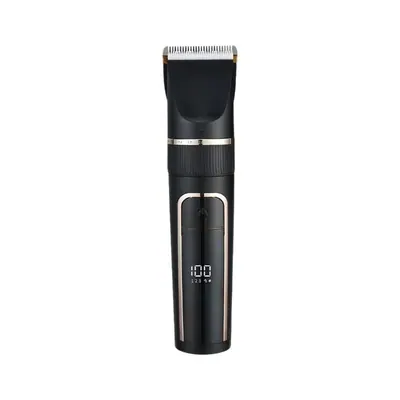
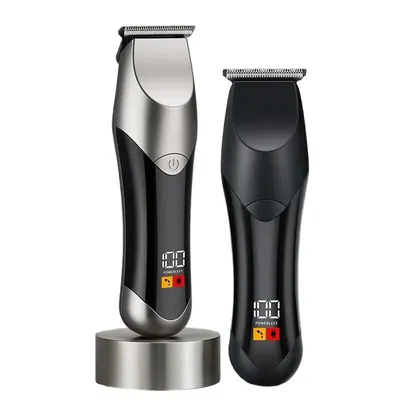
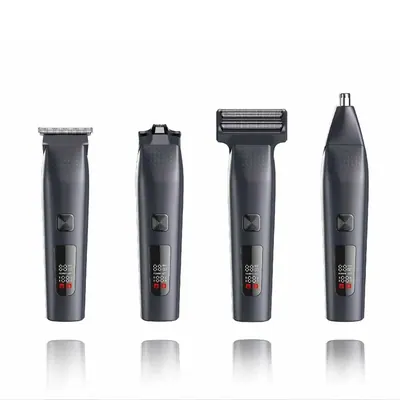
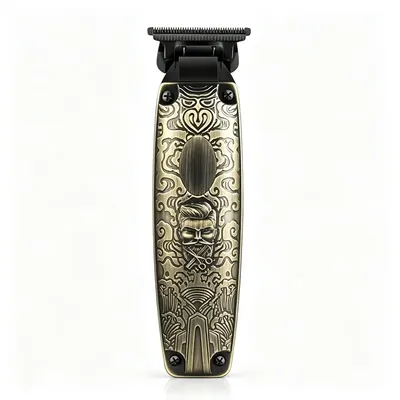
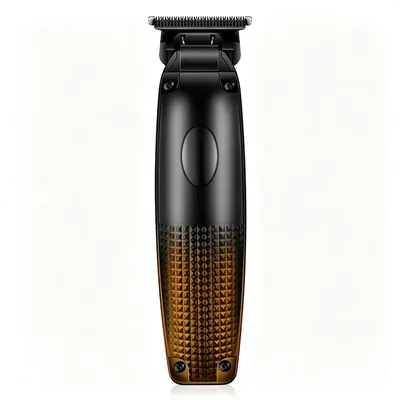
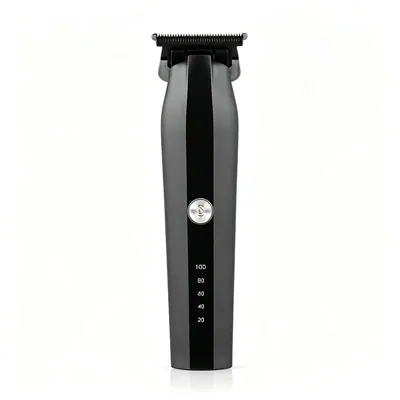
Pulling is a blade problem, not a power problem
The complaint that ends a clipper's reputation is that it pulls hair. Buyers frequently respond by looking for a more powerful motor, and the answer is usually not there.
Pulling happens when the cutting edges do not close cleanly, when the alignment between the fixed and moving blades drifts, or when the motor slows enough under load that the blades stall mid-cut. All three are geometry and drive decisions. A high-speed motor with poorly aligned blades pulls worse than a moderate motor with a blade set that closes properly.
That makes the blade set the specification to spend on, and the tensioning of the moving blade the assembly step that has to be controlled rather than left to a press fit.
Specification decisions that move the unit cost
| Decision | What it changes | Why it moves the price |
|---|---|---|
| Blade material | Stainless steel, ceramic, titanium-coated or ceramic-coated | Edge life, how the blade feels against skin, and how long it stays sharp enough to cut without pulling |
| Blade mechanism | Fixed blade, or a taper lever that adjusts the cutting position | A taper lever adds a mechanism and assembly, and it removes the need for a separate comb for close work |
| Motor | Speed, torque and whether it holds speed under load | Torque under load is what stops the blades stalling on thick hair; the quoted speed alone does not describe it |
| Power | Corded, cordless, or corded and cordless combined | A battery adds cells, a charging circuit and shipping documentation; a combined unit adds the switching between the two |
| Guide combs | How many, the sizes, and how they attach | Combs are cheap individually and additive as a set, and a comb that slips is a common complaint |
| Run time and charge time | Battery capacity and how quickly it recovers | Capacity scales cell cost directly, and charge time is a frequent point of comparison between models |
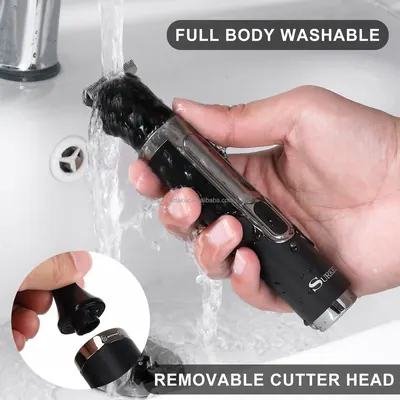
| Water resistance | Whether the blade set can be rinsed under a tap | Sealing adds gaskets and constrains the housing from the start |
Corded, cordless, or both
A corded clipper has no battery to fail, no charge time and no shipping documentation, and it can be built with a larger motor for the same cost. Its limitation is the cable, which is also the part most likely to fail first in storage.
A cordless clipper is used anywhere and is the format most buyers now expect. The trade is weight, run time and a battery that degrades, plus the lithium battery documentation that applies to shipping.
A combined unit runs from the mains and from a battery, which solves the run-time problem but adds the switching hardware and, in practice, is the format professional users tend to choose. Which of the three is right follows from who the customer is: a home user trimming their own hair, a barber cutting all day, or a pet owner grooming an animal.
Materials and cleaning
The blade set, the comb and any skin contact surface are the parts that touch the user. Blade coatings affect both cutting and how the head feels, and they are frequently what a buyer chooses between at the same price point.
Cleaning decides how long the clipper lasts. Hair and clippings accumulate between the blades, and a blade set that can be removed and rinsed is far easier to keep working than one that has to be brushed out in place. If the product is to be presented as washable, that is a sealing decision taken at tooling.
Where the clipper is intended for animal grooming rather than human use, the requirements change: heavier coat, longer run time and a blade that tolerates denser hair. That is a different specification, not a different marketing line, and it is worth saying at brief stage.
Voltage, plug type and compliance by market
We do not pre-certify every SKU. Testing and certification are arranged for the specific model and the specific market you are ordering for, and quoted as their own line, together with the battery documentation for cordless models.
| Market | Voltage and plug | What is usually required |
|---|---|---|
| European Union | 220–240V, CEE 7/7 (Schuko) | CE marking with test reports behind it, plus battery documentation and the charger assessed as supplied |
| United Kingdom | 230V, BS 1363 (Type G) | UKCA marking with the test reports and the same battery documentation |
| North America | 110–120V, NEMA 1-15 or 5-15 | Listings that retailers and marketplaces accept before the product can be sold |
| Australia and New Zealand | 230–240V, AS/NZS 3112 (Type I) | Electrical safety approval, with any charger assessed separately |
| Middle East and Southeast Asia | 220–240V, plug type varies by country | Depends on the destination; conformity documents are frequently required at customs |
Branding, the accessory kit and packaging
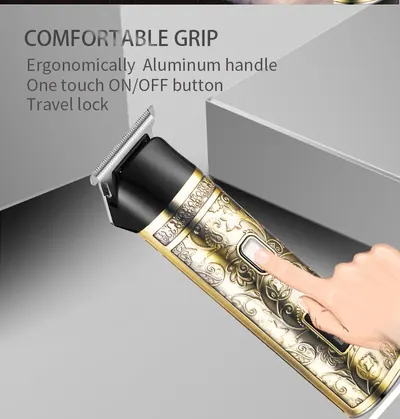
The clipper body is the branded surface, applied by pad printing or silk screen on plastic and heat transfer on coated surfaces. The handle is held throughout use, which makes it the surface seen most and the sensible place for the logo.
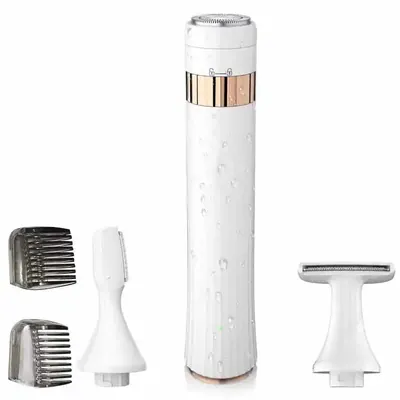
The kit is frequently what distinguishes two clippers at the same price: the number and sizes of guide combs, a barber comb and scissors, a cleaning brush, oil, and a case or pouch. Each item is cheap on its own, and together they change what the buyer sees when the box is opened.
A moulded or fabric case that holds the clipper and the combs is part of the product rather than packaging for it, and it is one of the objects most often photographed in a listing. Color box for retail, plain carton for marketplace, and the artwork proof is free.
Hair clipper questions buyers ask
How do we stop the clipper pulling hair?
By specifying the blade set and controlling the blade tension, not by increasing motor speed. Pulling comes from edges that do not close cleanly, alignment that drifts, or blades stalling under load. It is worth testing a sample on the hair type the product is aimed at rather than inspecting it.
Ceramic or steel blades?
Ceramic holds its edge and runs cooler; steel is more resistant to impact. Coatings such as titanium or ceramic coating sit on top of a steel blade to change how it wears and feels. Which is right follows from the price point and the intended user.
Corded or cordless?
Corded is lighter, cheaper and has no battery to fail or to document; cordless is what most buyers now expect. A combined unit runs both ways, which suits professional use where run time cannot be interrupted. All three are available.
Can the clipper be used for pet grooming?
It can be supplied for that use, but the specification is different: denser coat, longer run time and a blade that tolerates it. Tell us at brief stage whether the product is for human or animal use, because it changes the model rather than the packaging.
What is the minimum order for a hair clipper?
It is quoted per model, because it depends on the model and on how much of it is already tooled. Both the minimum order quantity and the lead time are stated on the quotation for the specific model you pick.
Do the clippers come with certification?
We do not claim blanket certification across the catalog. Certification and battery documentation are arranged for the specific model and the specific market you are ordering for, and quoted as their own line.
If the clipper you need is not in this list, send the specification — power format, blade type, intended user and guide comb range — and we will tell you what is available.
Need help choosing?
Send us the product type, target market and estimated volume — we will shortlist models and quote.