Water & Purification OEM & ODM
45 models across 10 water handling and treatment types — dispensers, electric dispenser pumps, filter pitchers, faucet purifiers, soda makers, instant hot water units and hydrogen water machines. Water treatment is the category where the product is partly a consumable business, and where the specification has to match the water in the market it is sold into.
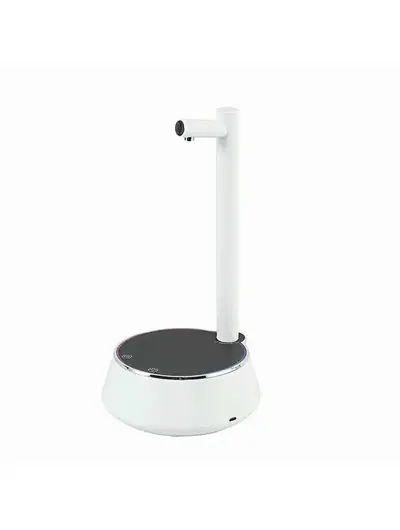
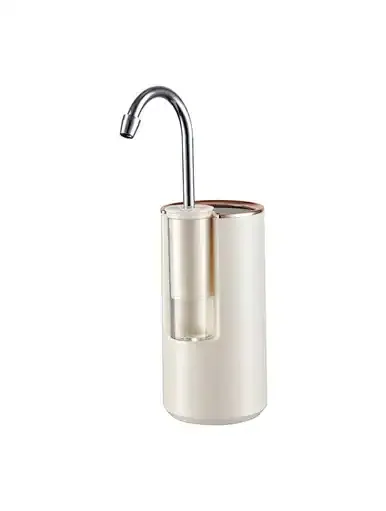
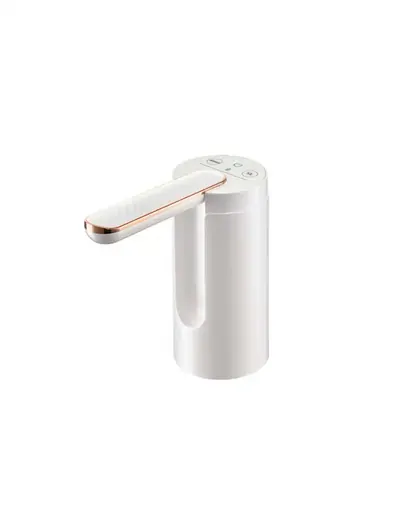
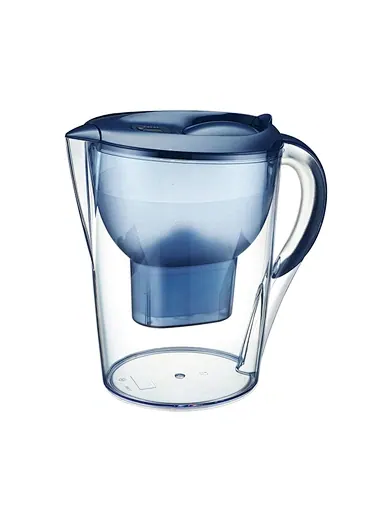
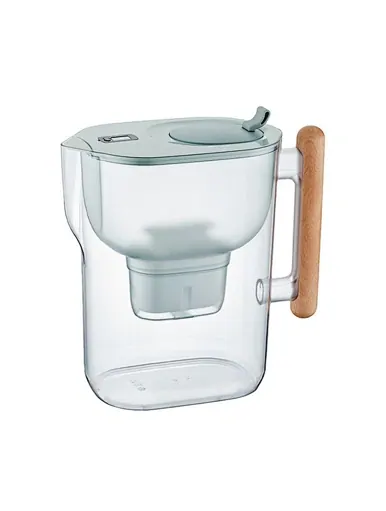
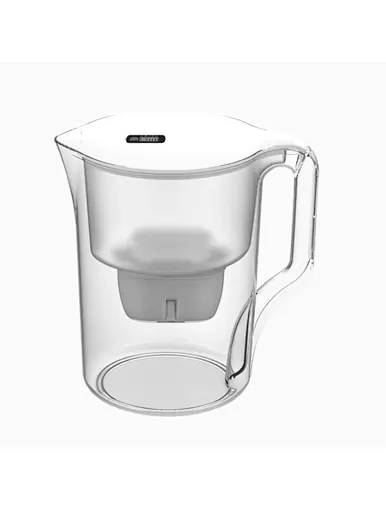
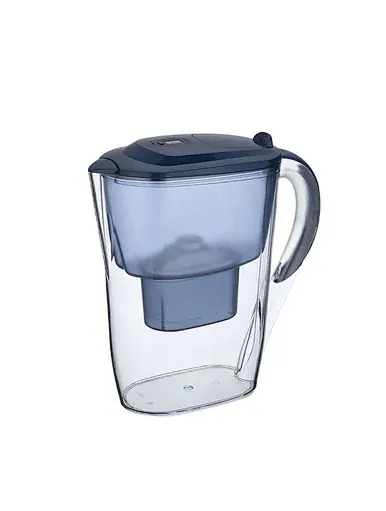
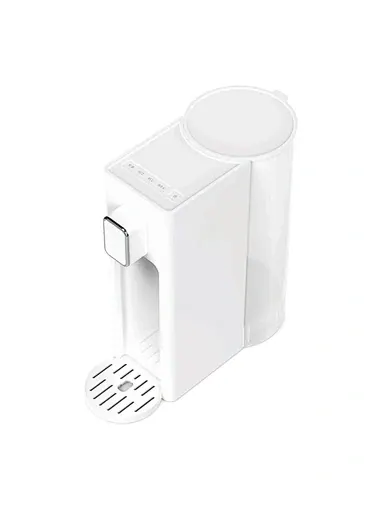
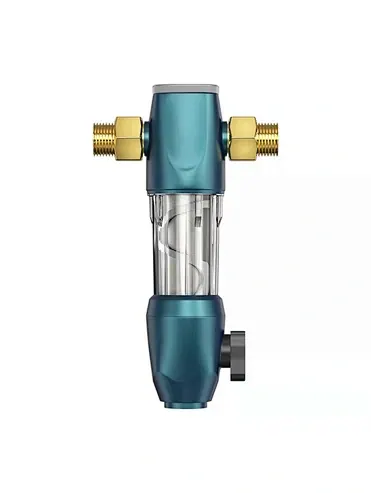
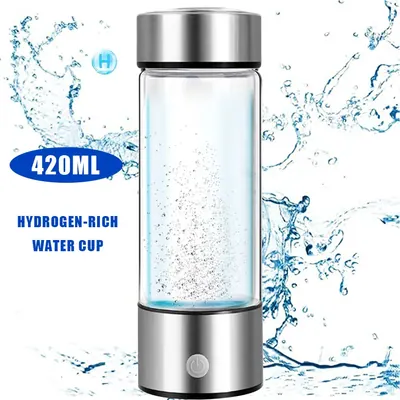
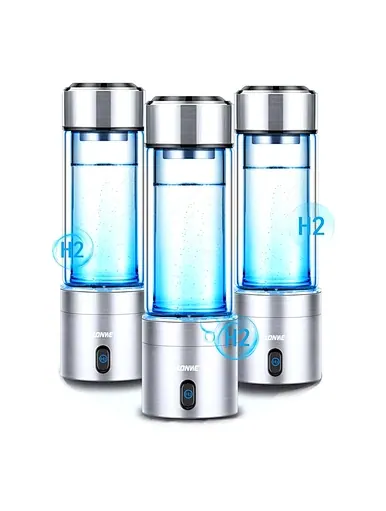
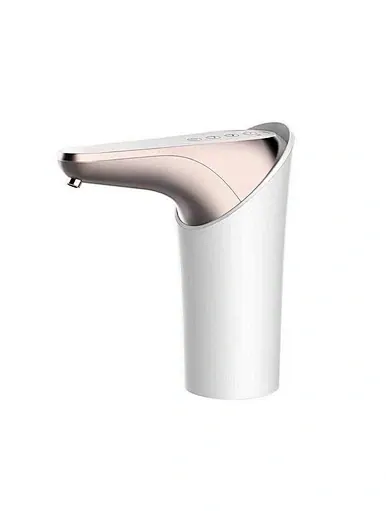
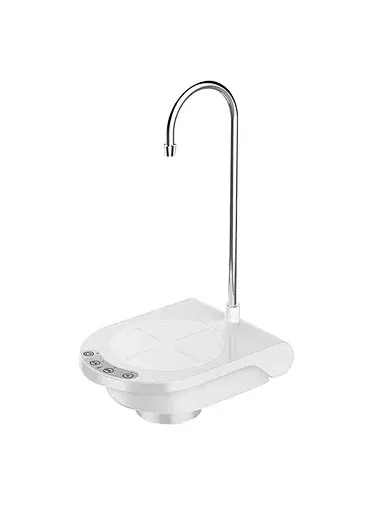
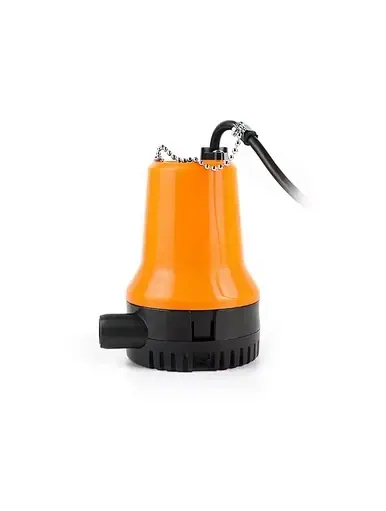
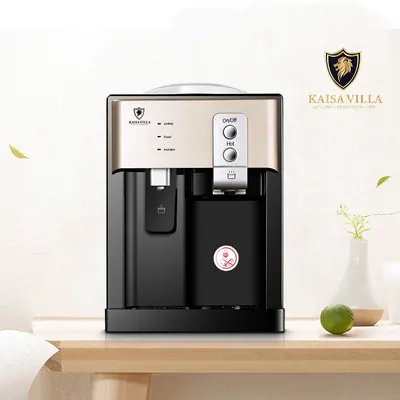
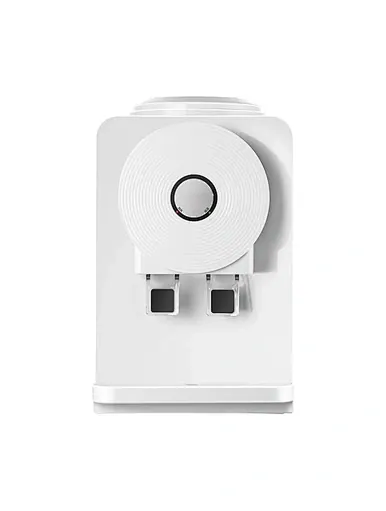
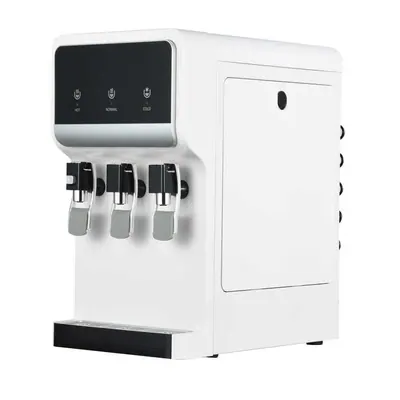
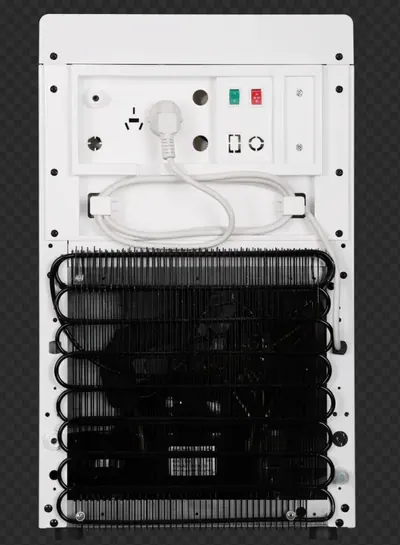
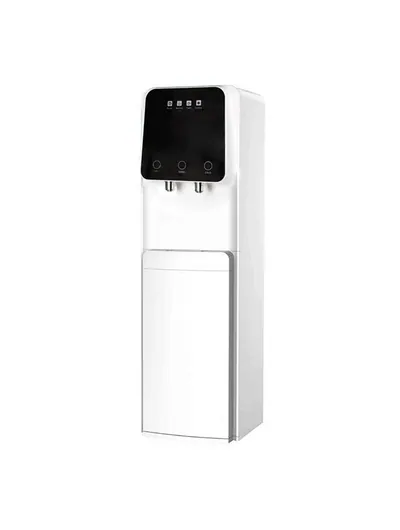
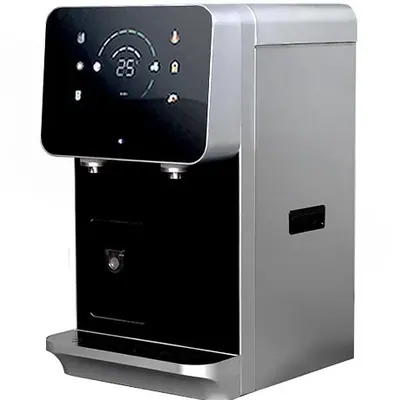
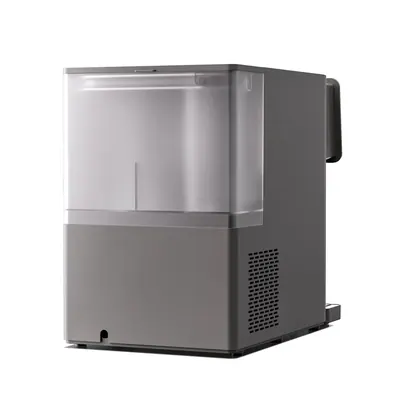
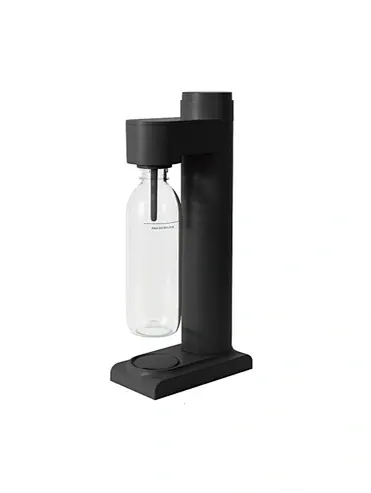
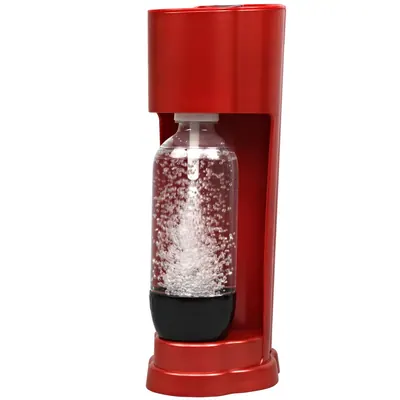
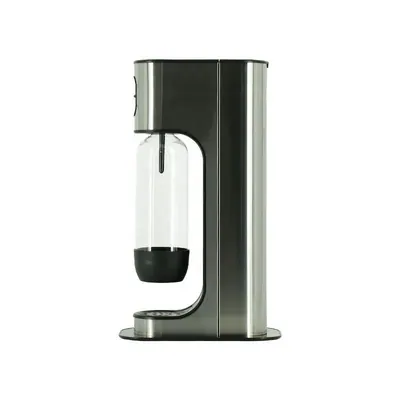
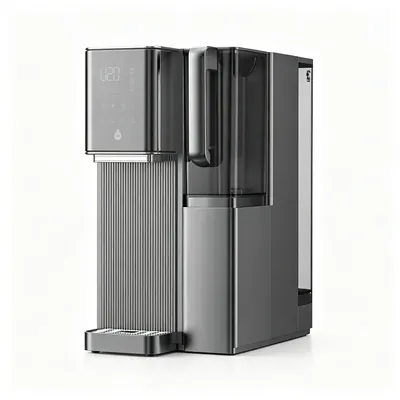
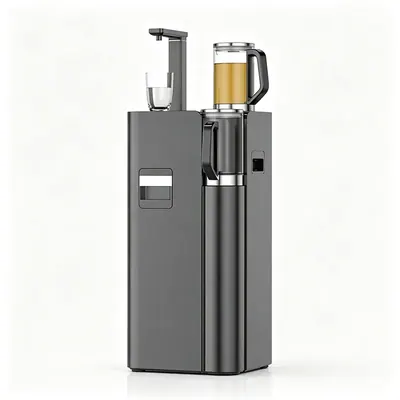
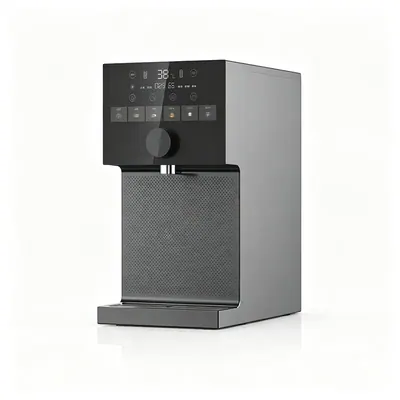
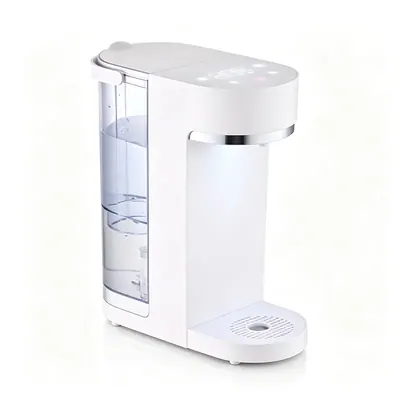
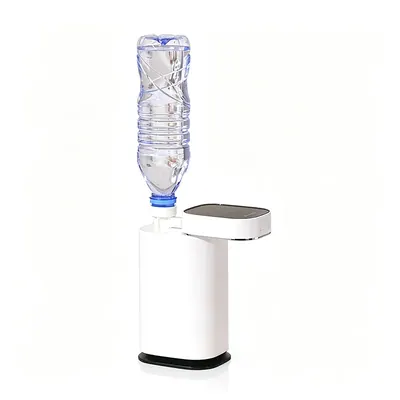
What the water range covers
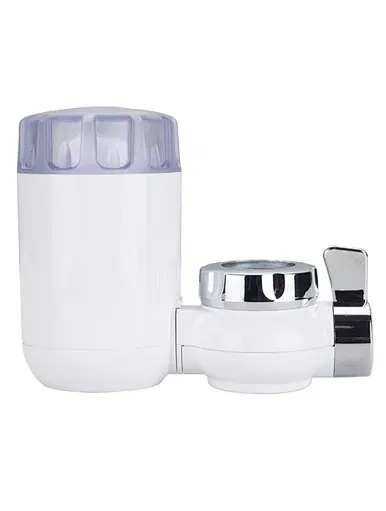
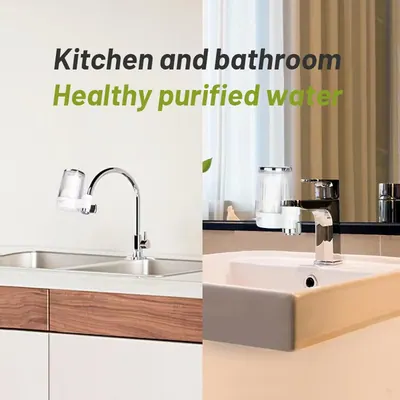
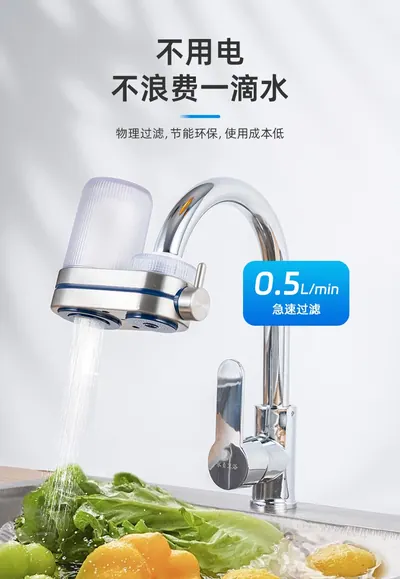
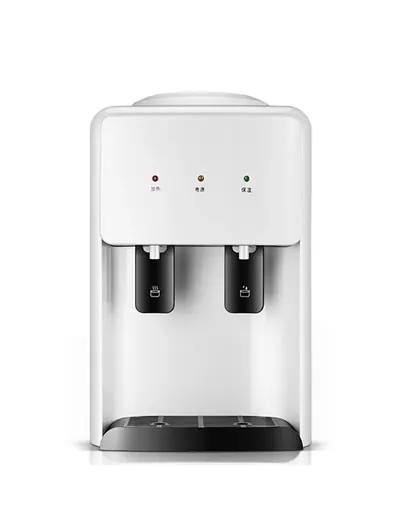
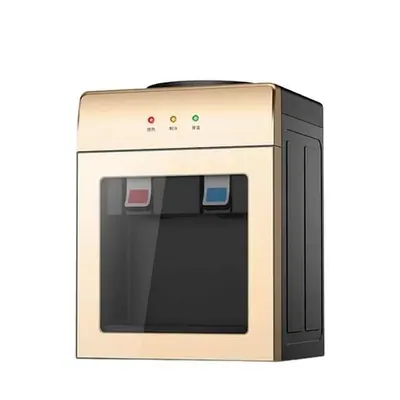
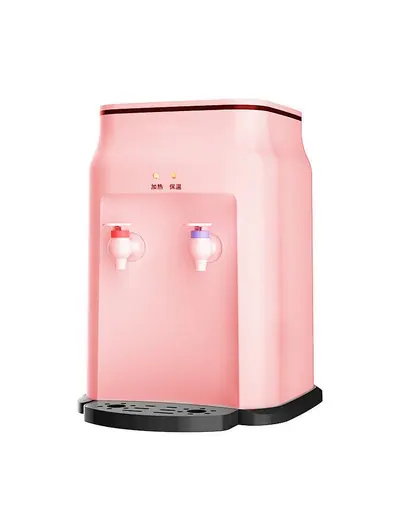
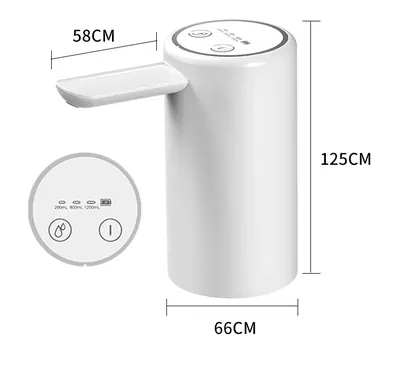
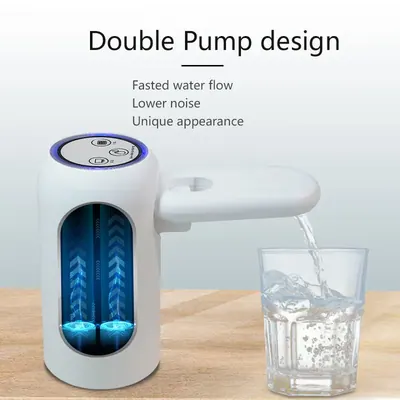
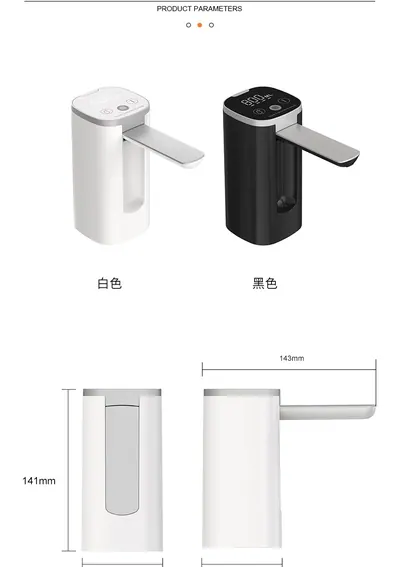
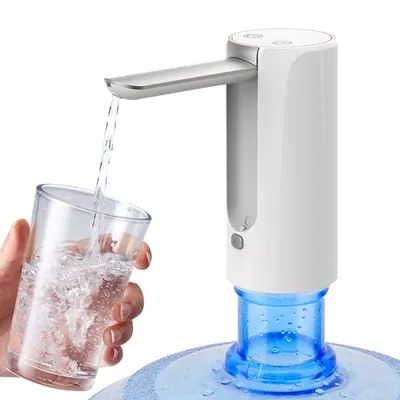
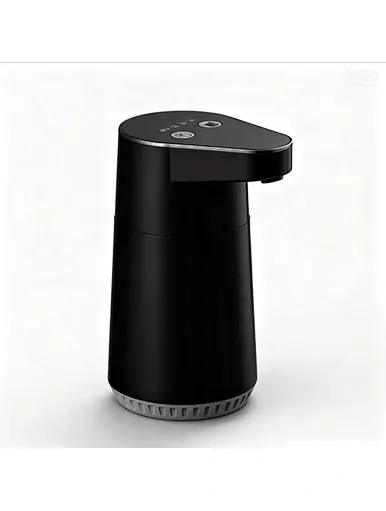
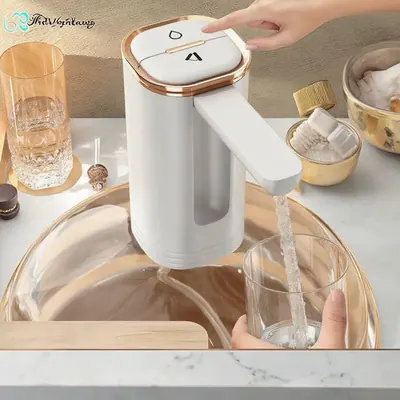
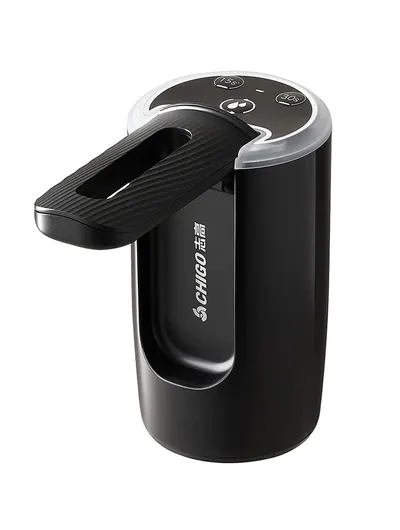
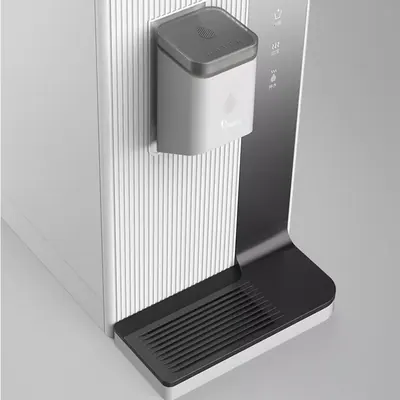
Dispensing and heating covers water dispensers, electric dispenser pumps and instant hot water units. Treatment covers filter pitchers, faucet-mounted purifiers and countertop purifiers. Two adjacent groups sit alongside them: soda makers, which carbonate rather than filter, and hydrogen water machines, which sit in the wellness channel rather than the kitchen one.
These are bought by different retailers and for different reasons. Dispensers go to home and office channels, pitchers and faucet units go to grocery and mass retail, and soda makers and hydrogen machines go to gifting and wellness.
The one thing they share is that the user drinks the output, which makes water-contact materials and filtration performance the specification lines that matter most.
The filter is the product, and the cartridge is the business
A purification product is bought once and a cartridge is bought repeatedly. That changes what the buyer is really deciding. A pitcher with an inexpensive filter and an expensive replacement cartridge is a different commercial proposition from a pitcher with the reverse, even when the two look identical on the shelf.
It follows that cartridge specification is not a detail. Cartridge life, the standard it is measured against, whether it is proprietary or cross-compatible, and whether it is sold under the same brand all decide the aftermarket. A proprietary cartridge supports a repeat line; a cross-compatible one removes that revenue and, usually, the reason for the customer to come back.
For the buyer this is worth settling at brief stage, because it affects the housing design as much as the filter media does.
Filtration media, and what each one is for
| Media | What it removes | Where it fits |
|---|---|---|
| Activated carbon block | Taste, odour and chlorine, and some organic compounds | Pitchers and faucet units aimed at taste rather than at contaminants |
| Granular carbon | Taste and odour, with a lower pressure drop than a block | Dispensers and larger units where flow rate matters more than contact time |
| Hollow-fiber ultrafiltration | Particulates and some microorganisms, while retaining minerals | Countertop units where the buyer does not want to strip the water of minerals |
| Reverse osmosis membrane | Dissolved solids, with a waste-water stream | Markets where total dissolved solids are the concern; needs a pump or mains pressure and produces waste water |
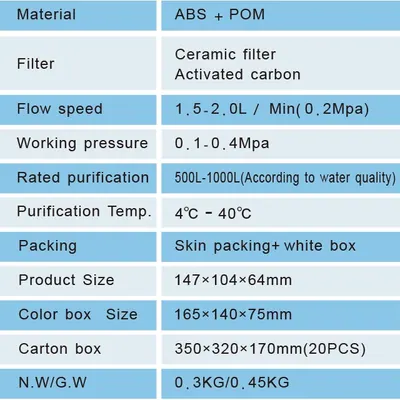
| Ceramic | Particulates and some microorganisms, and it can be cleaned rather than replaced | Where the buyer wants a cleanable element and is not targeting dissolved solids |
The right choice depends on what is actually in the water where the product will be sold. That is a question for the buyer, not for the factory, and it is the first thing to settle.
Water quality differs by market, and so does the right specification
A filter designed for soft municipal water behaves differently in hard water, and a unit sized for one flow rate and pressure may underperform on a low-pressure supply. These are not quality problems in the product; they are specification mismatches, and they are common in this category because buyers frequently copy a specification from one market into another.
Two practical consequences. First, if you know the water characteristics in your market — hardness, total dissolved solids, typical supply pressure — send them, and the shortlist will be better. Second, where the water is unknown or variable, a product with a cleanable or longer-life element is usually a safer first order than one tuned tightly to a specific water profile.
For hot and cold dispensing, add the electrical side to the same list: heating power, tank volume and how quickly the unit recovers after the hot tank is emptied all decide whether the product suits an office or a single household.
Voltage, plug type and compliance by market
We do not pre-certify every SKU, and in this category the certification position depends on what the product claims to do as much as on the electrics. Testing and certification are arranged for the specific model and the specific market you are ordering for, quoted as their own line.
| Market | Voltage and plug | What is usually required |
|---|---|---|
| European Union | 220–240V, CEE 7/7 (Schuko) | CE marking with test reports behind it, plus the water-contact material documentation for anything the user drinks from |
| United Kingdom | 230V, BS 1363 (Type G) | UKCA marking with the test reports and the same material documentation |
| North America | 110–120V, NEMA 1-15 or 5-15 | Listings that retailers accept, and the material documentation for drinking-water contact parts |
| Australia and New Zealand | 230–240V, AS/NZS 3112 (Type I) | Electrical safety approval and water-contact material documentation |
| Middle East and Southeast Asia | 220–240V, plug type varies by country | Depends on the destination; conformity documents are frequently required at customs |
Private label branding on water products
In this category the branded item the customer handles most often is the cartridge, not the appliance. A branded cartridge that carries the logo and the model number is what keeps a repeat purchase attributed to your brand rather than to whoever sells the cheapest compatible part.
On the appliance itself, silk screen and pad printing suit plastic housings, with heat transfer and laser engraving on metal and coated surfaces. Because dispensers are frequently placed in offices and reception areas, the logo is seen by more people than the buyer expects, which is worth weighing when choosing its size and position.
Packaging follows the channel: a color box for shelf retail, a brown box for marketplace, and a gift box or sleeve where the product is bought as a present. Both logo and packaging are proofed before production, and the artwork proof is free.
Water and purification questions buyers ask
Can you supply replacement cartridges under our brand?
Yes, and it is usually the point of the program. Cartridges can be quoted as their own line with their own packaging, which is what turns a single sale into a repeat purchase. Tell us at brief stage whether the cartridge should be proprietary to your product or cross-compatible.
How do we choose a filter for our market?
By starting from the water rather than from the product. Send the hardness, the total dissolved solids if you have them, and the typical supply pressure, and the shortlist will reflect them. Where the water is unknown or varies, a cleanable or longer-life element is usually the safer first order.
What is the minimum order for a water appliance?
It is quoted per model, because it depends on the model and on how much of it is already tooled. Both the minimum order quantity and the lead time are stated on the quotation for the specific model you pick.
Do your water products come with certification?
We do not claim blanket certification across the catalog, and in this category the position depends on what the product claims as well as on the electrics. Certification is arranged for the specific model and the specific market you are ordering for, and quoted as its own line.
Can the same dispenser be supplied in hot and cold versions?
Yes, as separate configurations. A hot and cold unit has a heating tank as well as a cooling system, which changes the power draw, the housing and the price. Where a buyer needs both, they are quoted together.
Can we see a sample before ordering in bulk?
Yes. A production sample is shipped before bulk production, and for this category we recommend testing it with the water type it will actually be used with, because filtration performance depends on the water and not only on the product.
If the appliance you need is not listed in this category, send the specification. The range here is drawn from the Cixi supply chain and it is not exhaustive.
Need help choosing?
Send us the product type, target market and estimated volume — we will shortlist models and quote.