Car Appliances OEM & ODM
37 models across 4 automotive accessory types — tire inflators and air pumps, car vacuums, cordless car washers and oil extractors. Car accessories are sold on impulse at a low price point through automotive and general retail, and the two decisions that carry the category are whether the product runs from the 12V socket or from its own battery, and whether the packaging survives a planogram.
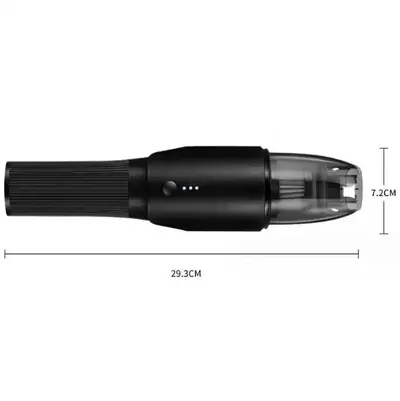
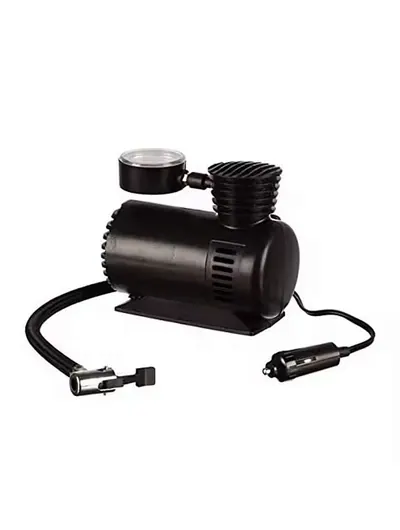
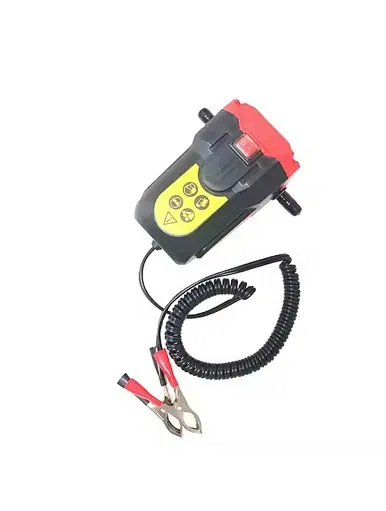
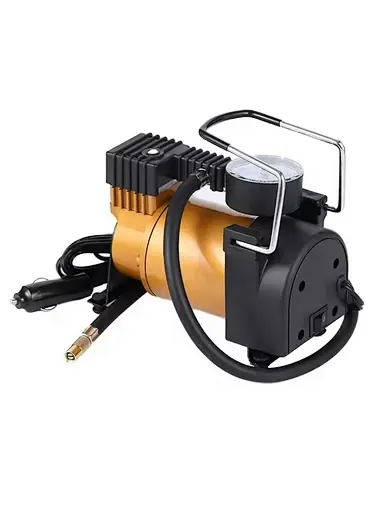
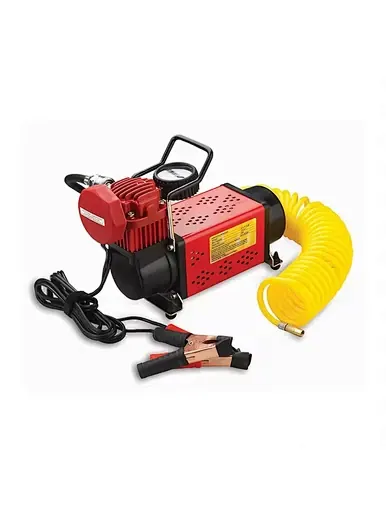
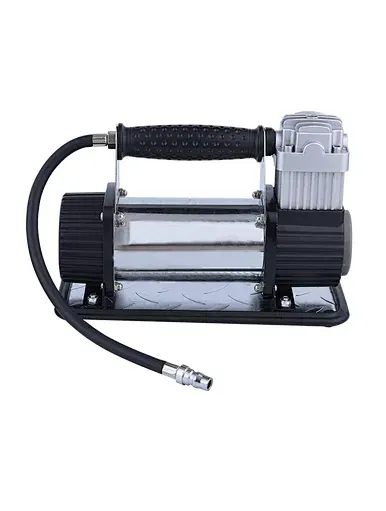
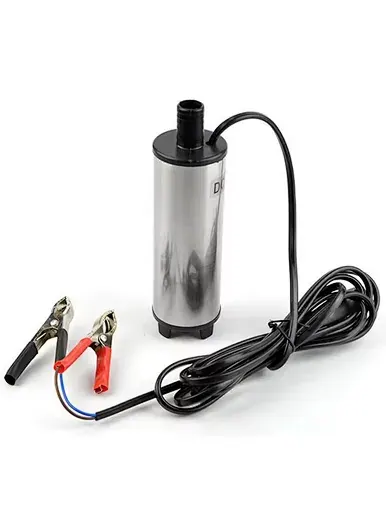

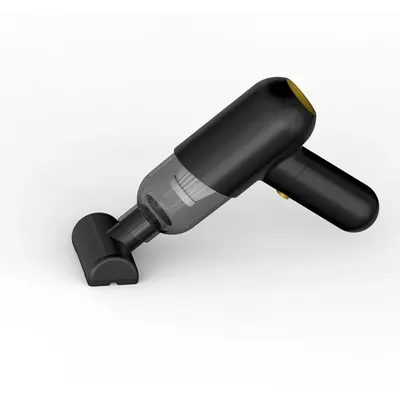
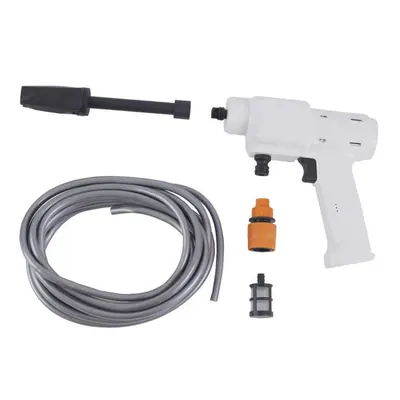
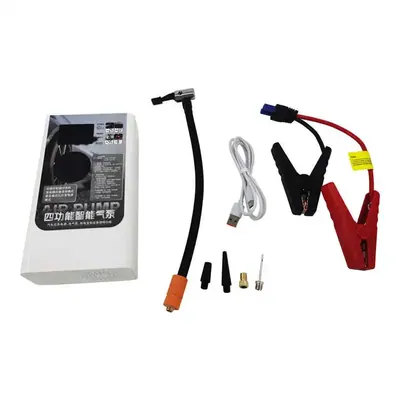
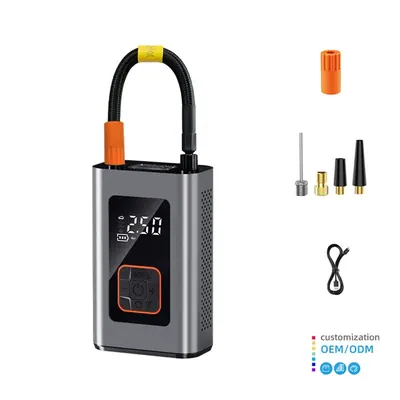
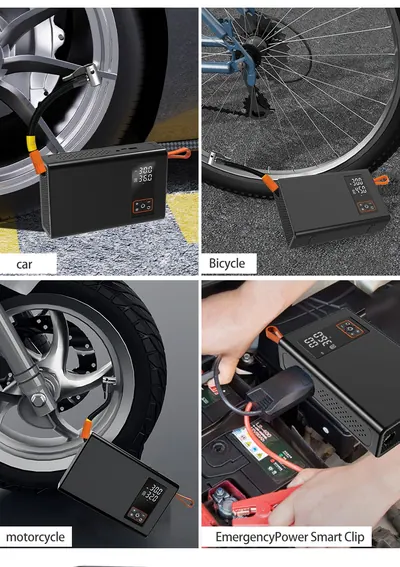
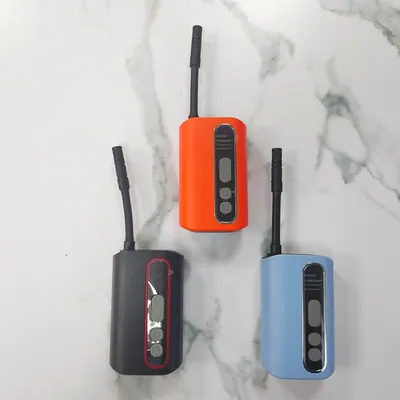
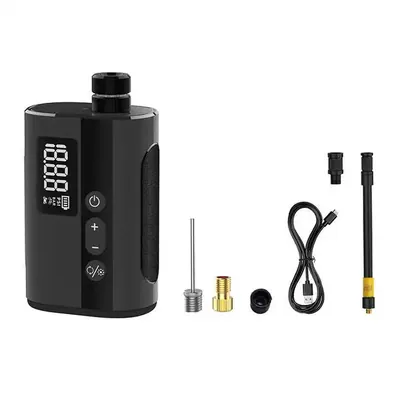
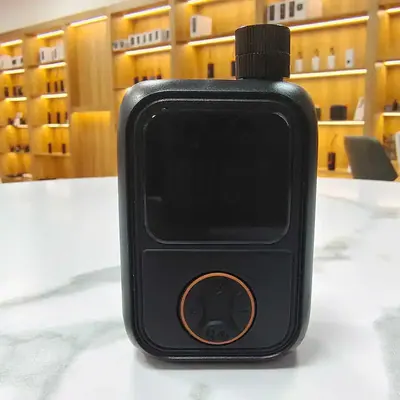
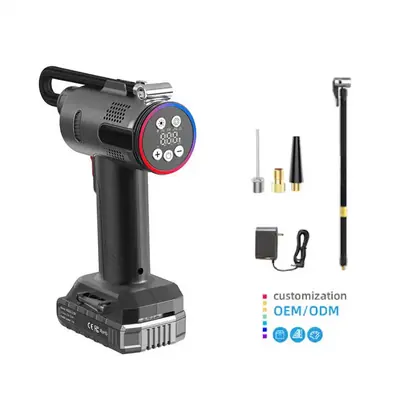
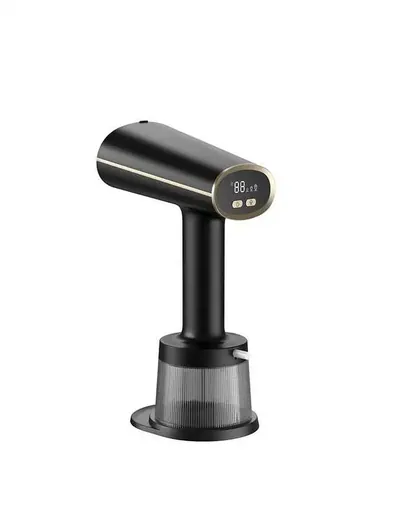
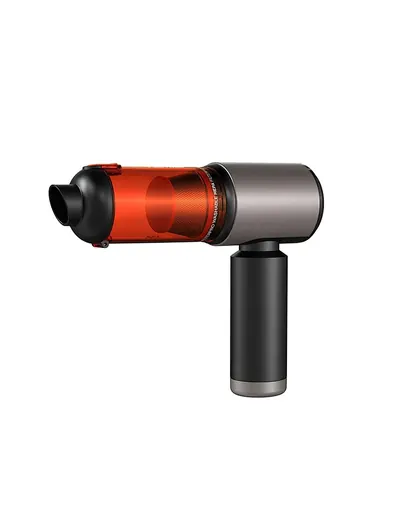
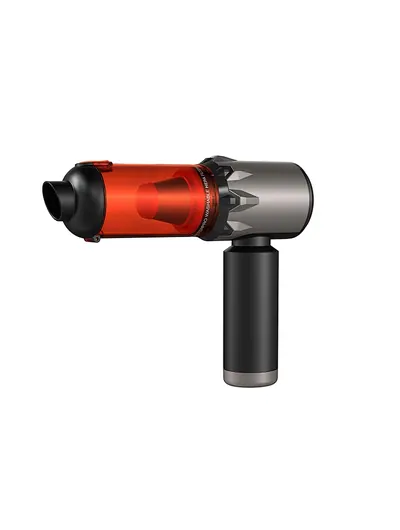
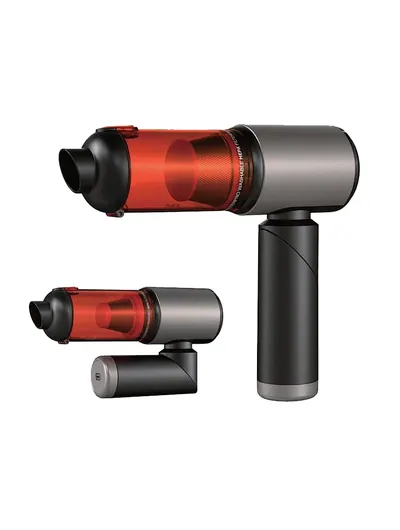
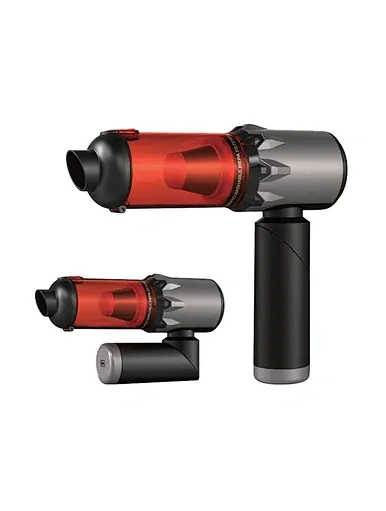
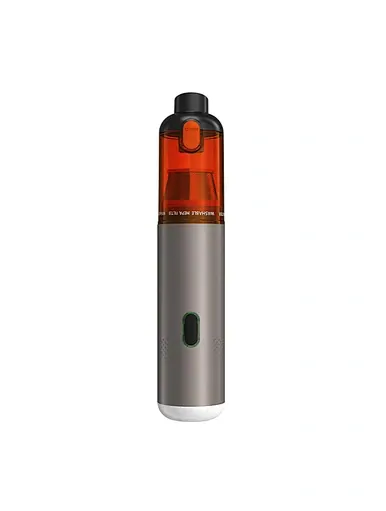
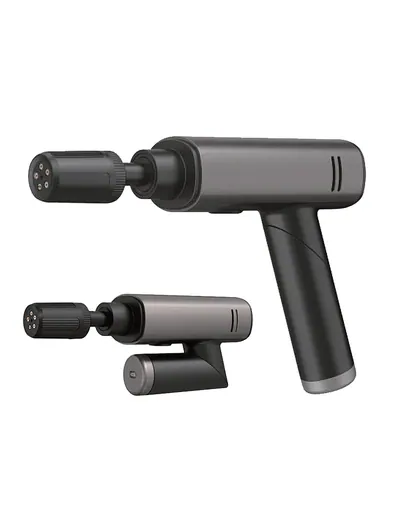
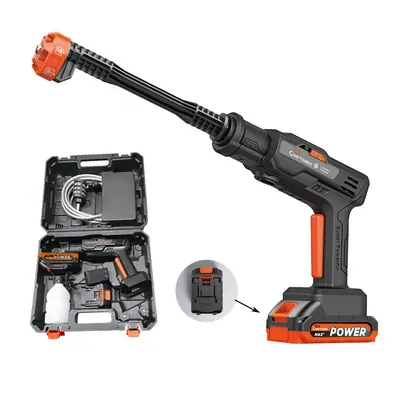
What the car range covers
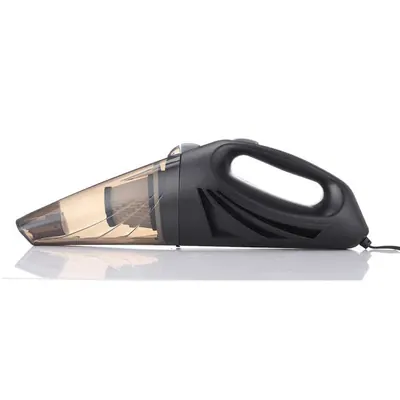
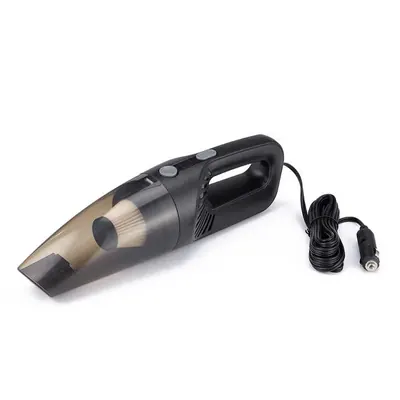
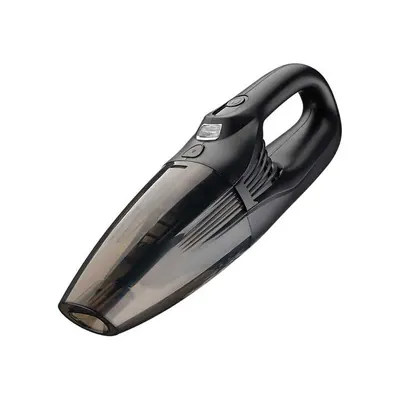
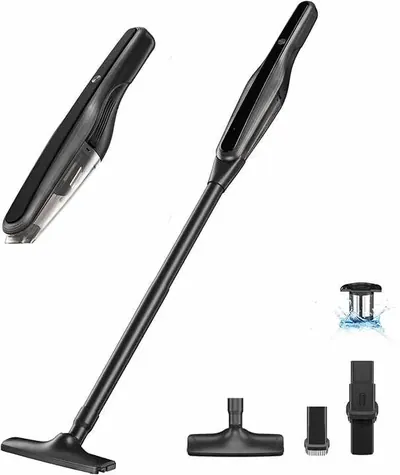
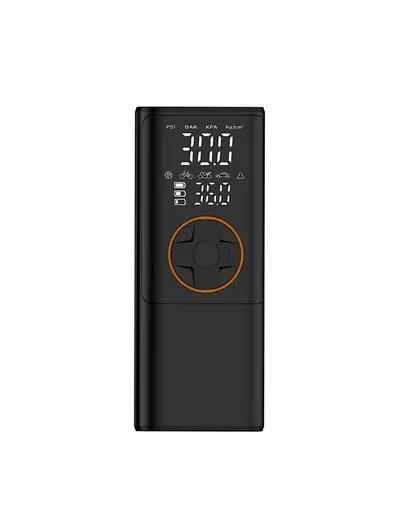
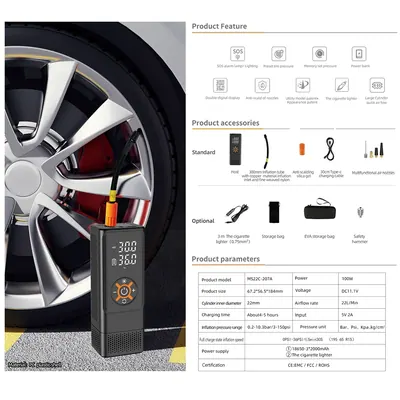
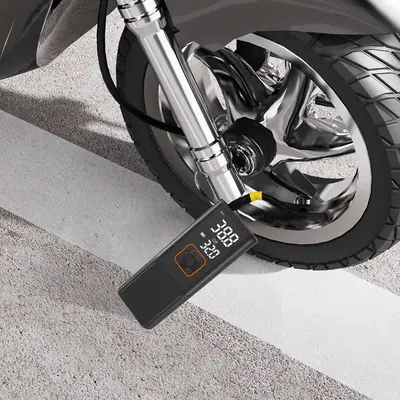
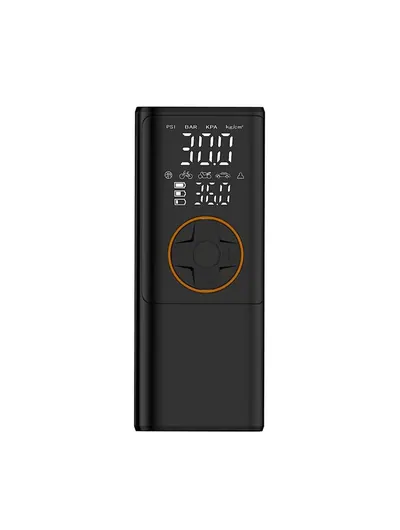
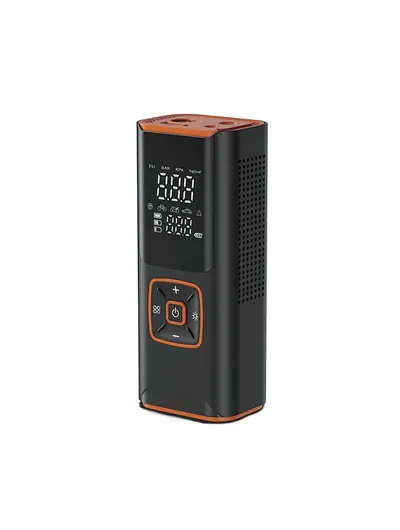
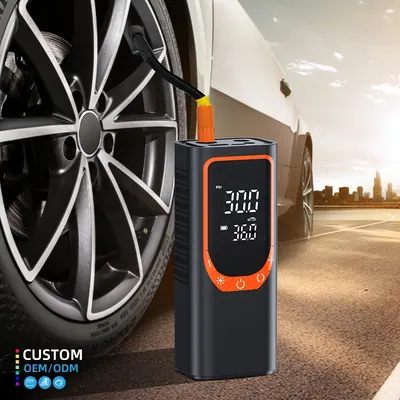
Tire inflation is the largest group: portable air pumps in corded 12V and rechargeable formats. Cleaning covers car vacuums and cordless car washers. Maintenance covers oil extractors, which are a narrower, more specialist product sold to workshops and to owners who service their own vehicles.
The first three are consumer impulse products. They sit on a pegboard or a shelf next to phone mounts and air fresheners, sell at a low price, and are bought because the need is immediate — a low tire, a messy boot, a dirty car. The oil extractor is different: it is a tool, it sells to a workshop audience, and it is bought on specification rather than on price.
The two groups should be treated as separate programs even though they share a page.
12V or battery — the decision that shapes everything else
For a corded product, power comes from the car and the product has no battery at all. That removes the cell cost, removes the charging circuit, removes the shipping documentation that comes with lithium cells, and removes the failure mode of a battery that has gone flat since last winter.
For a rechargeable product, the user is not tied to the socket and the product can be used away from the car. That convenience is why rechargeable formats command a higher price, and it is also why they carry weight, a charging time, and the whole lithium battery logistics question with them.
Most buyers run both, in the same way a tool brand runs corded and cordless versions of the same tool: the corded one is the value entry and the cordless one is the upgrade. Deciding which is the lead product, and whether they share a cell, is the first decision in the category.
Specification decisions that move the unit cost
| Decision | What it changes | Why it moves the price |
|---|---|---|
| Power source | 12V corded, rechargeable, or both | A battery adds cell, charger, circuit and shipping documentation cost, and it is the largest single price difference in the category |
| Pump mechanism | Diaphragm or piston, and the rated pressure and flow | A higher-pressure pump needs a stronger motor and a housing that can take the vibration, and it decides whether the product suits car tires, bicycle tires or inflatables |
| Gauge | Analogue dial, digital with preset, or none | A digital gauge with auto-stop adds a sensor, a display and firmware; it is a common reason a buyer chooses one model over another at the same price |
| Suction and tank | Airflow, dust capacity and filtration on vacuums | A larger tank and a washable filter add mouldings and assembly, and they decide how often the user has to empty it |
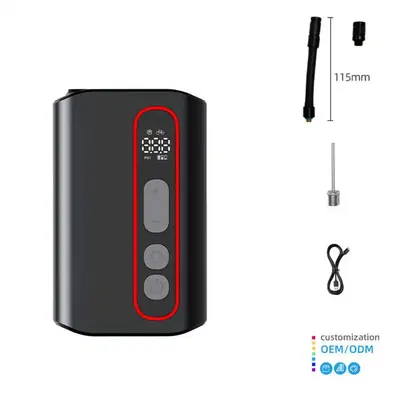
| Hose and nozzle set | Length, material and the number of adapters | Adapters are cheap individually and additive across a full kit, and they are frequently the visible difference between two competing products |
| Housing and drop resistance | Material, wall thickness and the shape of the case | Car accessories are dropped and knocked; a housing that cracks becomes a return, and the fix is material rather than assembly |
Packaging is the product in this category
Car accessories are frequently bought without any assistance from a salesperson, from a shelf or a pegboard where the box is doing all the selling. That makes the packaging part of the product rather than a container for it.
Three practical consequences. The box has to state what the product does in a way that is readable at a glance, because the buyer is standing in front of a wall of similar items. It has to be sized for the planogram the retailer uses, because a box that does not fit the peg or the shelf is a box the retailer will not list. And it has to survive being handled, hung and shipped without the window denting or the print scuffing, which is a board grade and lamination decision rather than a design one.
Where the retailer has a planogram or a packaging guideline, send it at brief stage. It is far cheaper to design to it than to redesign after the first delivery is rejected.
Voltage, plug type and compliance by market
We do not pre-certify every SKU. Testing and certification are arranged for the specific model and the specific market you are ordering for, and quoted as their own line. For rechargeable products the battery documentation is part of that, and for 12V products the plug and lead are assessed as supplied.
| Market | Power | What is usually required |
|---|---|---|
| European Union | 12V socket, or 220–240V for the charger | CE marking with test reports behind it, plus battery documentation where a cell is supplied |
| United Kingdom | 12V socket, or 230V for the charger | UKCA marking with the test reports and the same battery documentation |
| North America | 12V socket, or 110–120V for the charger | Listings that automotive and general retailers accept before the product can be sold |
| Australia and New Zealand | 12V socket, or 230–240V for the charger | Electrical safety approval, with the charger assessed separately where one is supplied |
| Middle East and Southeast Asia | 12V socket, or 220–240V for the charger | Depends on the destination; conformity documents are frequently required at customs |
Private label branding on car accessories
The logo here is usually small and the packaging is large. On the appliance, pad printing and silk screen suit plastic housings and heat transfer suits coated surfaces; on a rubberised or textured housing, a printed label is often more legible than a direct print.
The branded surfaces that matter more are the box front, the accessory pouch and the instruction sheet. Automotive retail is a category where the brand on the shelf is often a retailer's own, so the packaging carries the identity and the appliance carries the specification.
Both are proofed before production, and the artwork proof is free.
Car appliance questions buyers ask
Should we order a 12V version or a rechargeable version?
It depends on the price point and the channel. A 12V product is cheaper, has no battery to fail or to document, and suits a value position. A rechargeable product is more convenient and commands a higher price, but adds weight, charging time, cell cost and lithium battery shipping requirements. Many buyers run both as an entry and an upgrade.
Can the pump inflate car tires and bicycle tires?
It depends on the rated pressure and the adapters supplied. Car tires need higher pressure than bicycle tires and inflatables need higher volume at low pressure. Tell us what the product has to inflate and we will shortlist pumps that cover it rather than quoting one that only covers part of the range.
What is the minimum order for a car accessory?
It is quoted per model, because it depends on the model and on how much of it is already tooled. Both the minimum order quantity and the lead time are stated on the quotation for the specific model you pick.
Do your car appliances come with certification?
We do not claim blanket certification across the catalog. Certification is arranged for the specific model and the specific market you are ordering for, and quoted as its own line. Ask us about the model you are considering and we will tell you what exists for it today.
Can the packaging be designed to our retailer's planogram?
Yes, and it should be. Send the planogram or the packaging guideline at brief stage and we will design to it. Redesigning after a delivery has been rejected costs far more than designing to the constraint the first time.
Can we see a sample before ordering in bulk?
Yes. A production sample is produced and shipped before bulk production, including the packaging, so the box can be judged in the hand rather than on a screen.
If the accessory you need is not listed in this category, send the specification. The range here is drawn from the Cixi supply chain and it is not exhaustive.
Need help choosing?
Send us the product type, target market and estimated volume — we will shortlist models and quote.