Other Appliances OEM & ODM
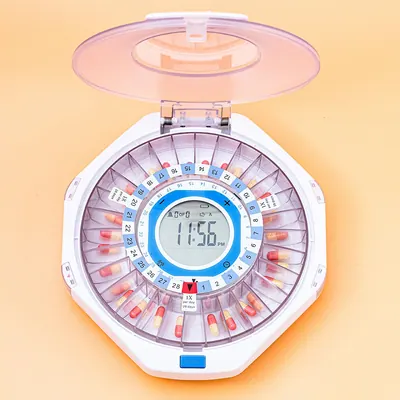
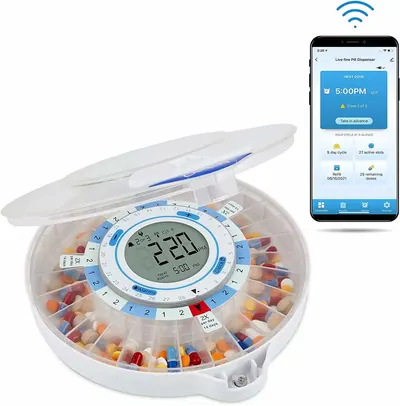
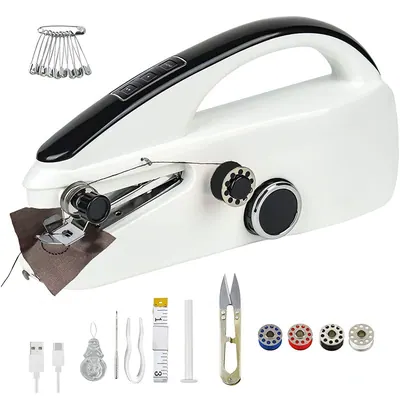
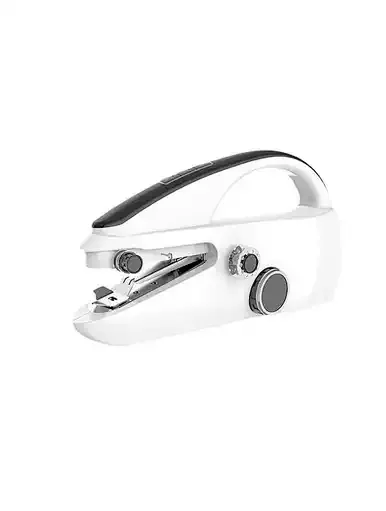
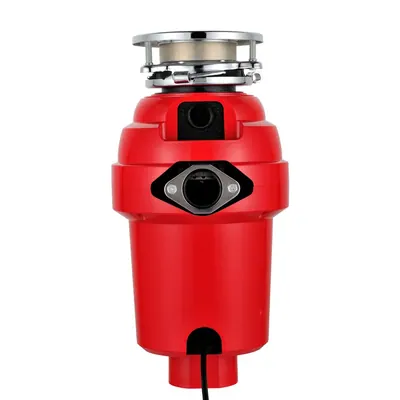
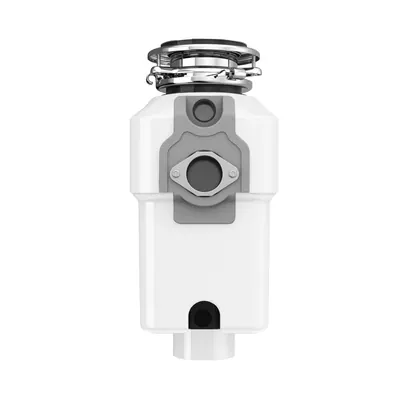
61 models that do not fit the other fourteen categories — treadmills, food waste disposers, sensor bins, smart pill boxes, mini sewing machines, LED mirrors, collapsible ice buckets and small fitness and household devices. This is a sourcing channel rather than a product family, and it is the right place to start when the product you need has no obvious category.
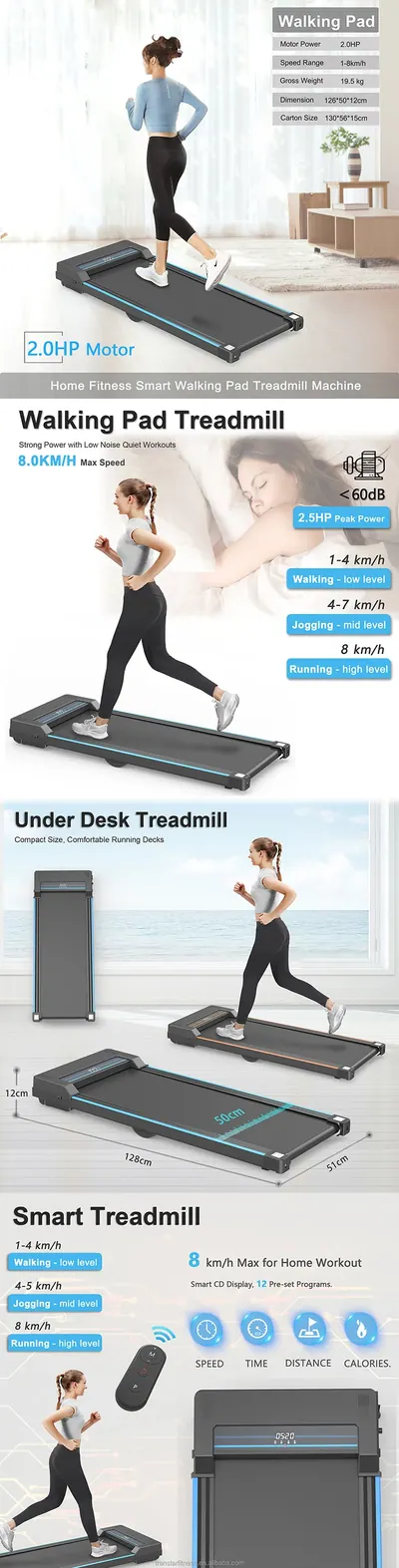
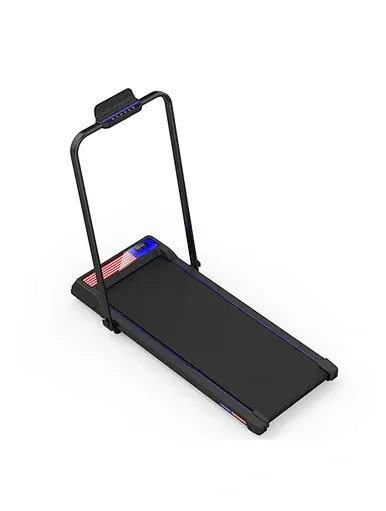
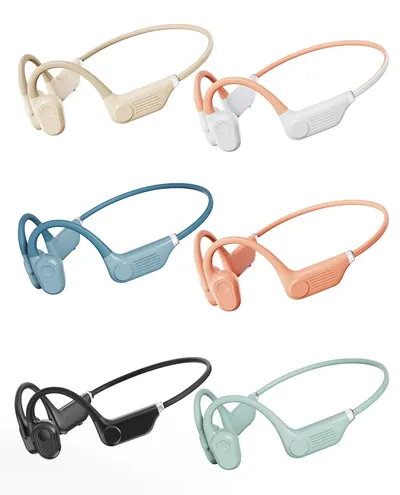

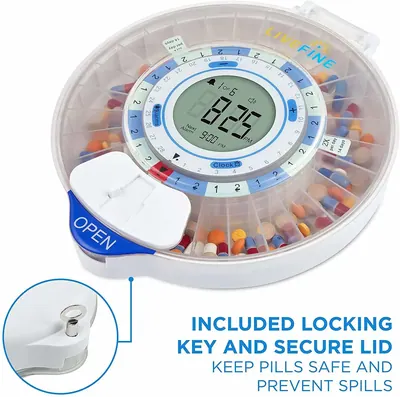

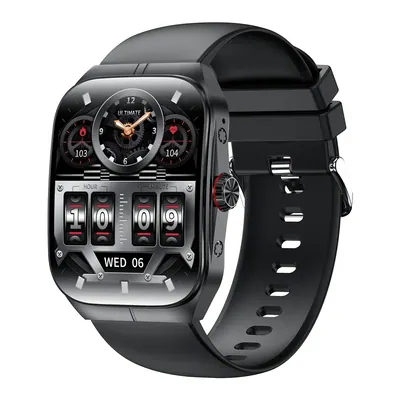
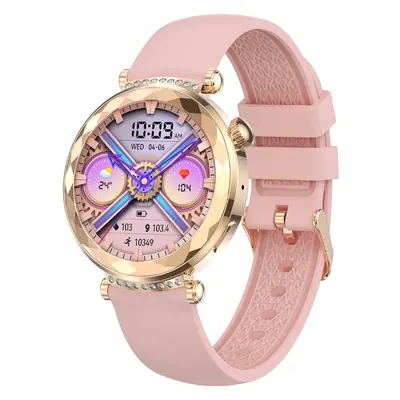
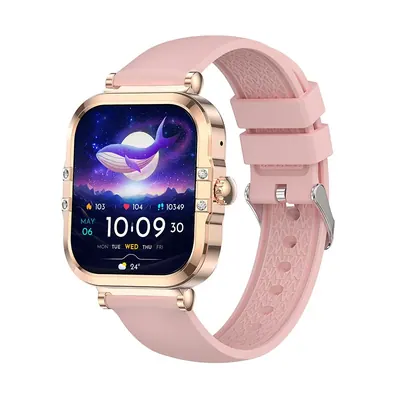
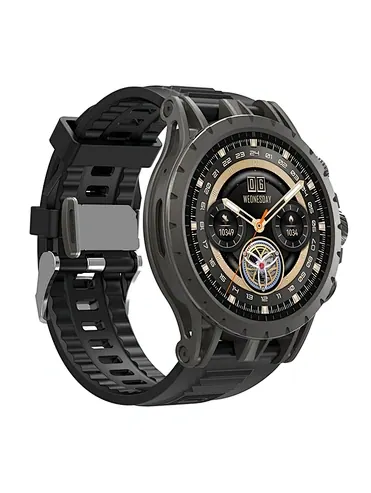
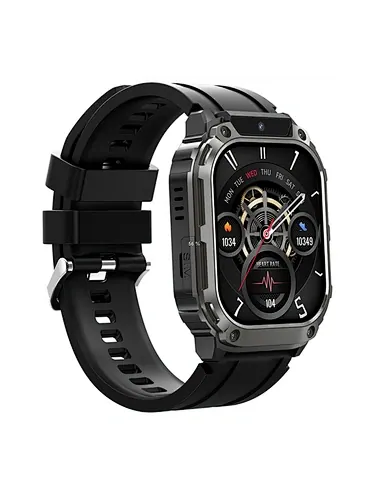
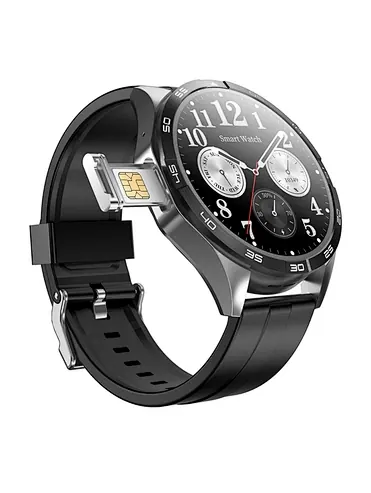
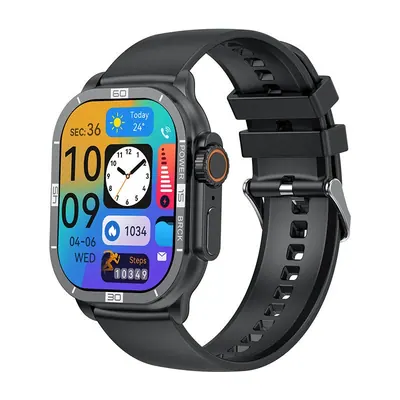
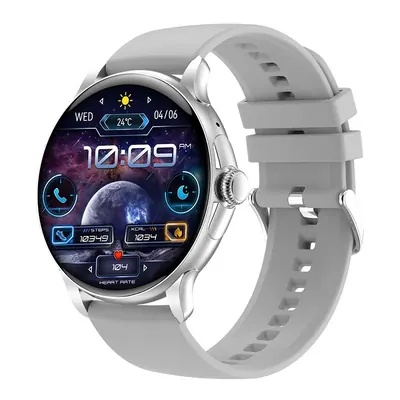
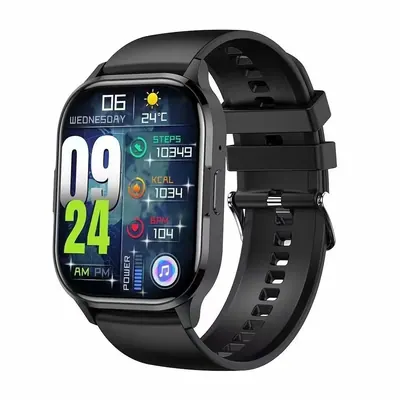
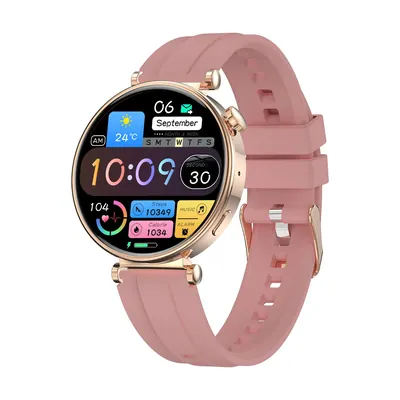
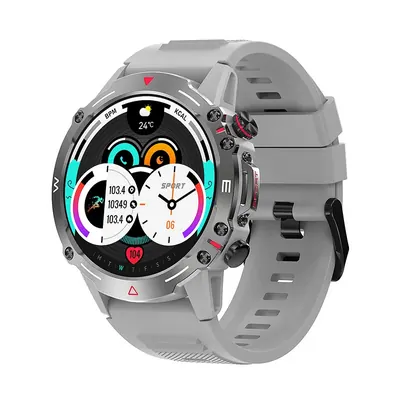
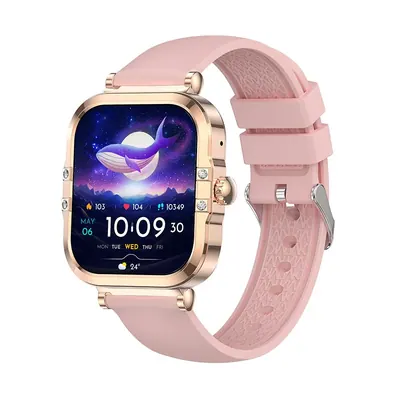
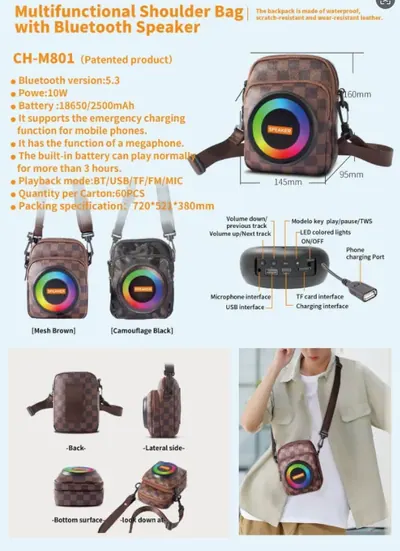
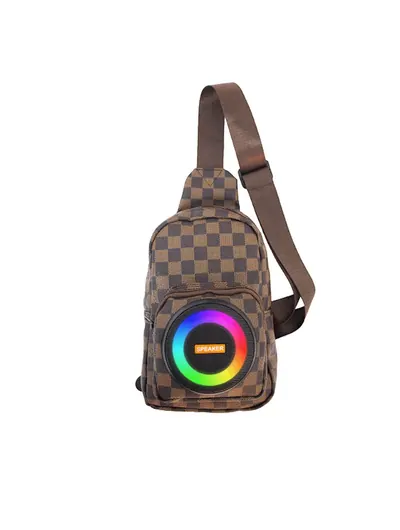
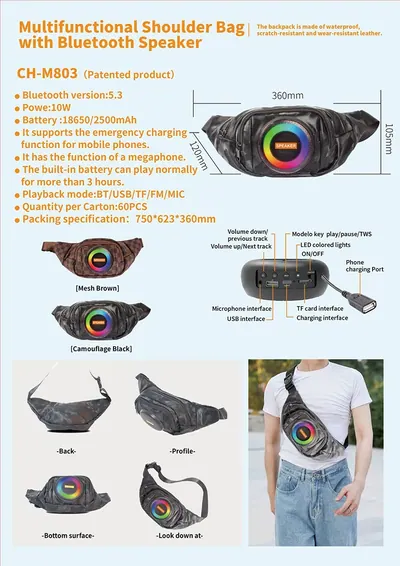
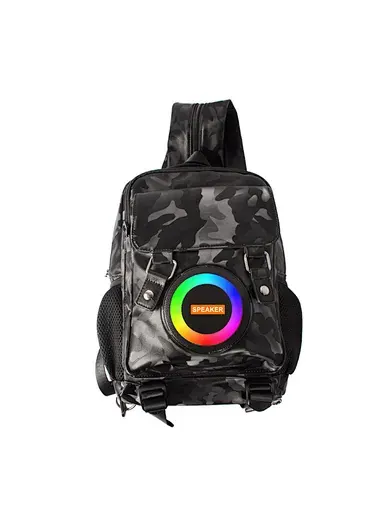
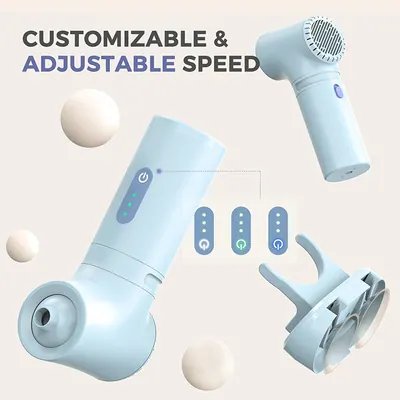
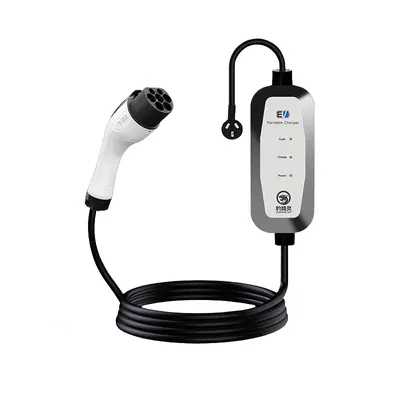
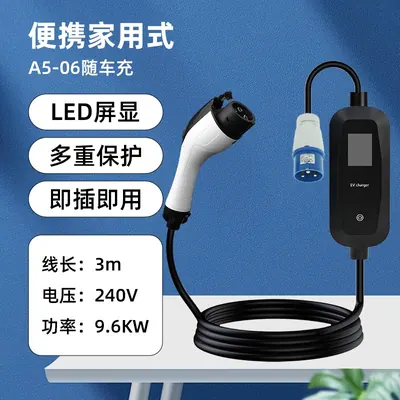
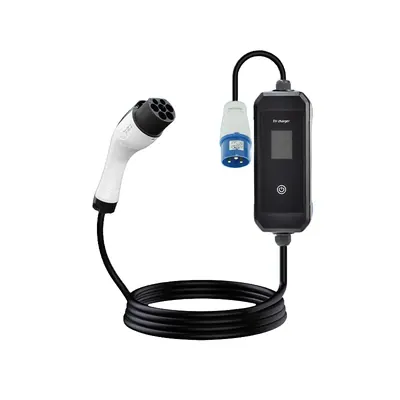
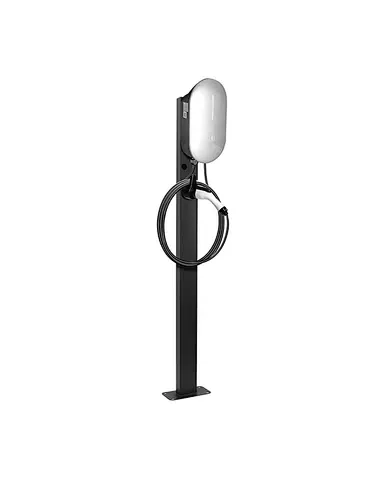
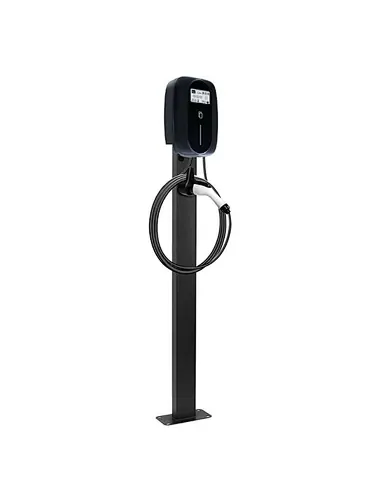
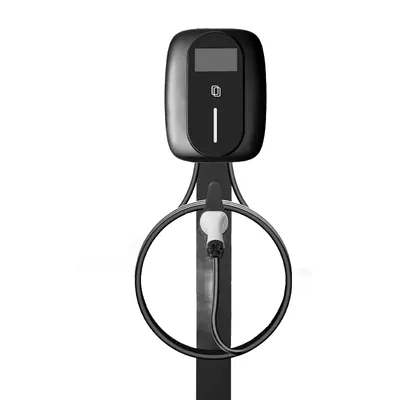
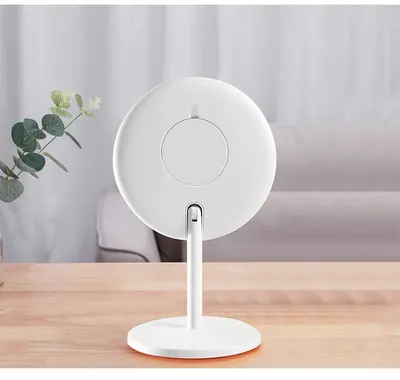
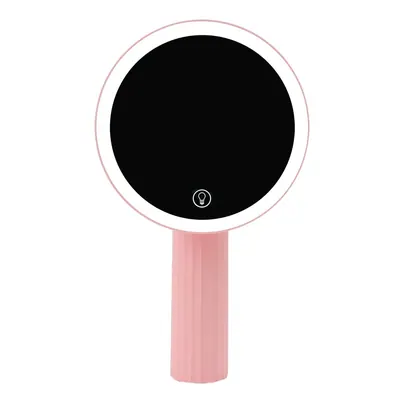
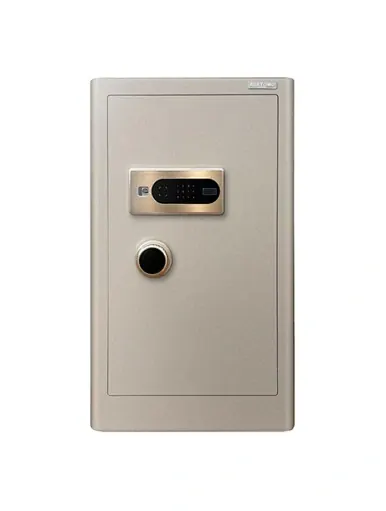
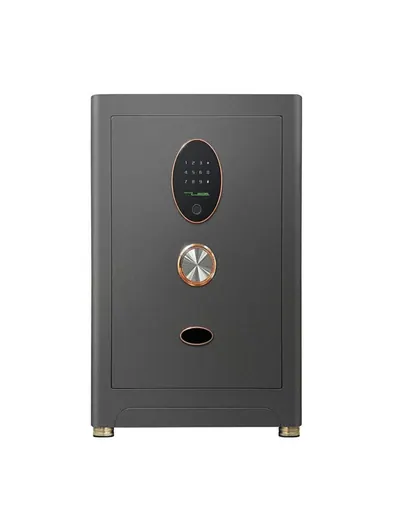
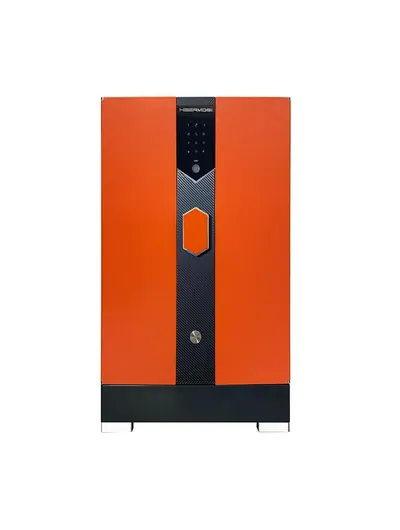
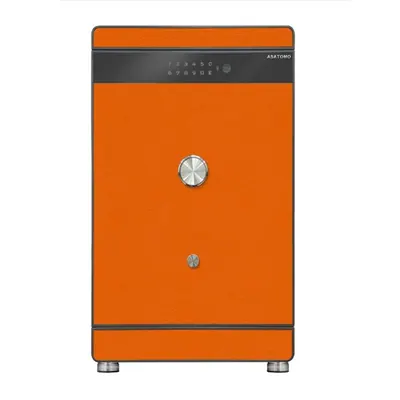
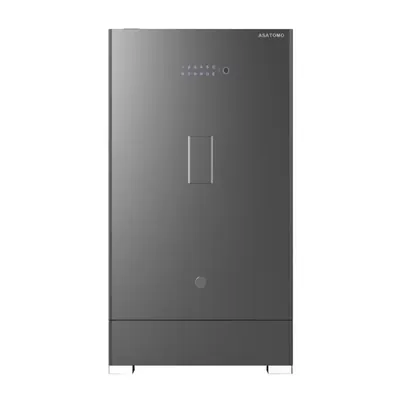
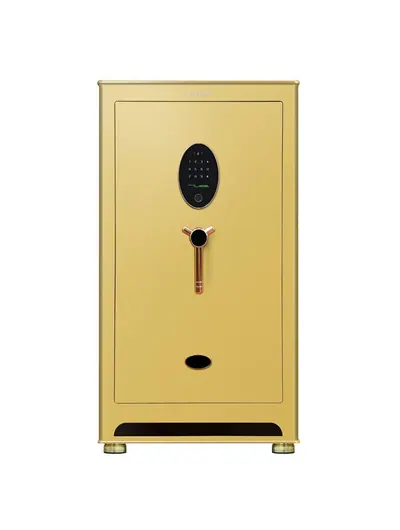
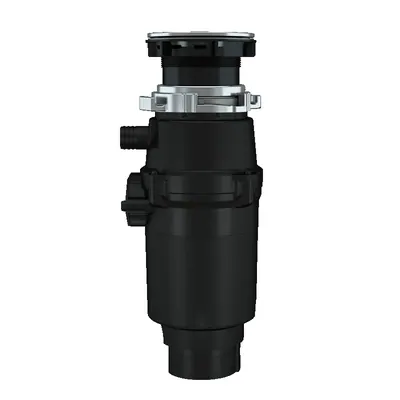
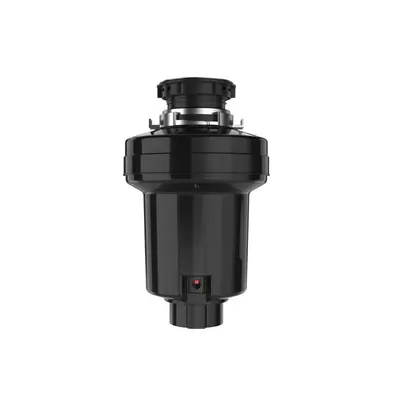
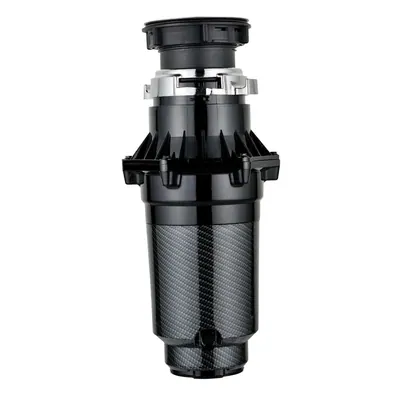
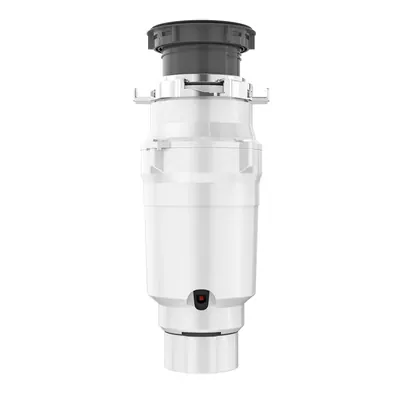
More Other Appliances models with full specifications
These 1 lines have complete specifications on file — size, weight, carton quantity, MOQ and lead time are published on the model page, so you can quote them without going back and forth.
What is actually in this category
This is the bucket for products that are real, stocked and quotable, but do not belong to a category with enough density to have its own page. At the moment it holds fitness equipment led by treadmills, household devices such as food waste disposers and sensor bins, personal items such as smart pill boxes and LED makeup mirrors, and a scattering of small useful things — collapsible ice buckets, mini sewing machines, bubble bath machines.
We are not going to pretend that is a coherent product family, because it is not. What it is, usefully, is evidence of how the sourcing side works: these models were found because a buyer asked for them, and the request was met from the same industrial belt as everything else on this site.
If you are looking at this page because the product you need is not in the catalog, you are in the right place.
How a product gets sourced when it is not in the catalog
Most of what this site lists arrived through the same route: a buyer describes what they want, and either a matching model exists in the belt or it does not. That is the whole method, and it is worth understanding before you assume a product is unavailable.
The belt around Cixi contains a very large number of small and mid-sized factories, most of them specialising narrowly. A single factory rarely makes both a treadmill and a food waste disposer. What the location provides is proximity — a short list of factories that plausibly make the thing, and the ability to visit and verify them rather than working from an online catalog.
So the sourcing question is not 'do you make this' but 'how specific is your description'. A request for 'a kitchen gadget' produces nothing useful. A request that names the function, the target price band, the destination market and the approximate volume produces a shortlist, because those four things are what determine which factory can actually take it.
What we need from you to shortlist a product
| What to send | Why it changes the answer |
|---|---|
| Function and use case | Two products that look identical can come from different factories if one is for continuous commercial use and the other for occasional domestic use |
| Target price band and retail channel | It decides the housing material, the motor class and the packaging grade before any model is looked at |
| Destination market | Voltage, plug type and the compliance route all follow from it, and some products cannot be placed in some markets without a change of design |
| Estimated volume | It decides whether existing tooling can be used or whether a mould has to be cut, which is the difference between a short lead time and a long one |
| Reference product or image | A photograph, a competitor link or a sample from a previous supplier removes more ambiguity than a written specification does |
| Certification already required by your channel | If the retailer has told you what they need, that constraint shapes the shortlist from the start |
Send what you have, even if it is only a link to a product you have seen. It is easier to work from a reference than from a description.
Two routes: an existing model, or a new one
If a factory in the belt already makes the product, you are choosing from what exists. That route is faster, cheaper and lower risk, and it is where most first orders start. The trade is that the product is not unique — other buyers may be selling something similar.
If nothing suitable exists, the product is developed. That means a design and engineering phase, tooling, and a first sample before production. It costs more and takes longer, and it is the only way to own the product rather than resell it.
We will tell you which of the two applies as soon as there is enough information to say, rather than quoting a development project on a product that already exists.
Voltage, plug type and compliance
Because this bucket spans so many product types, the compliance position cannot be stated once for the category. A treadmill, a food waste disposer and a USB-charged LED mirror sit under different rules even in the same market.
What is consistent is the method: we do not pre-certify every SKU, and testing and certification are arranged for the specific model and the specific market you are ordering for, quoted as their own line. For products in this category that is more important than usual, because the applicable requirements vary so much between them.
How an order runs
The same sequence runs whether the product comes from an existing model or from a development project.
- Brief — you send the function, target market, price band and estimated volume, with a reference if you have one.
- Shortlist or assessment — we tell you whether an existing model fits, or whether the product has to be developed, and what that involves.
- Quotation — pricing, minimum order quantity, lead time and carton data for the specific model.
- Artwork proof — logo and packaging are proofed for your approval.
- Sample — a production sample is made and shipped before bulk production.
- Bulk production — production runs to the approved sample.
- Pre-shipment — finished goods are photographed and inspected before dispatch.
- Shipping — sea or air, FOB or CIF as agreed.
Questions buyers ask about sourcing
The product I need is not on this site at all. Can you still help?
Often, yes. This site lists what is currently in the catalog, not what the supply chain can make. Describe the function, the target price band, the destination market and the volume, and we will tell you whether a factory in the belt makes it. If it does not exist, we will say so rather than quoting a development project we cannot deliver.
How do I know the factory is real and not a trading company?
By visiting, or by asking for the evidence that a trading company cannot produce — pre-shipment photographs of finished goods, a material certificate where a material is specified, and a sample produced before bulk. Anyone can send a catalog; not everyone can send a sample that matches it.
What is the minimum order for a product in this category?
It is quoted per model, because it depends on the model and on whether existing tooling can be used or a mould has to be cut. Both the minimum order quantity and the lead time are stated on the quotation for the specific model.
How long does it take to develop a product that does not exist?
It depends on the product, and we will not quote a number before we have seen the requirement. Development involves design, tooling and a first sample, and each of those is quoted separately so you can decide at each stage whether to continue.
Can you supply a product that carries our own design?
Yes, as an OEM order. That route involves tooling or mould cost quoted separately, and it depends on the housing and the internal layout. Send the design intent or a reference product and we will say what tooling is actually required.
Do the products in this category come with certification?
We do not claim blanket certification across the catalog, and in this category that matters more than elsewhere because the products sit under different rules. Certification is arranged for the specific model and the specific market you are ordering for, and quoted as its own line.
This page is the entry point for anything that does not fit the other fourteen categories. Send the specification, even if it is rough — that is what it is for.
Need help choosing?
Send us the product type, target market and estimated volume — we will shortlist models and quote.