Foot Spa Basin OEM & ODM
A foot spa is sold on bubbles and lights, and what decides whether it is safe and comfortable is the heater and the water level detection. A unit that heats without enough water is a burn risk, and a unit without a thermostat is either cold or too hot.
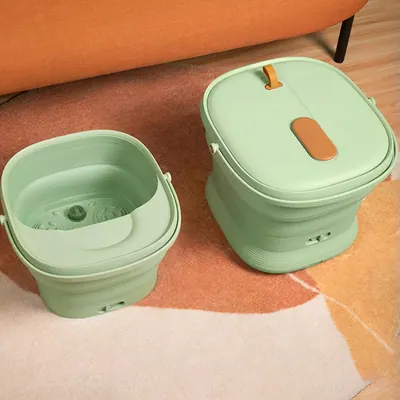
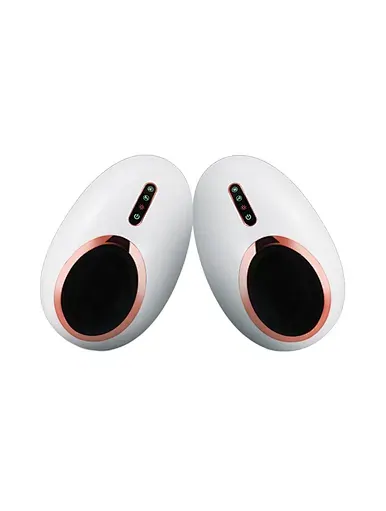
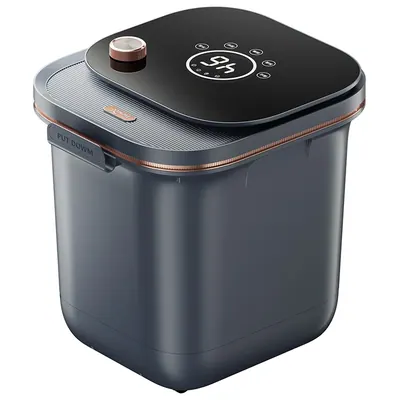
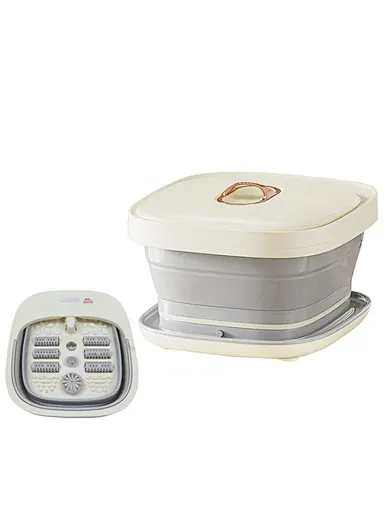
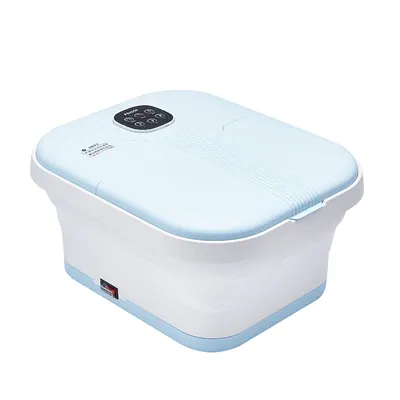
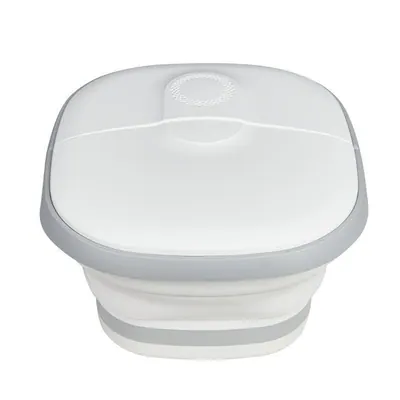
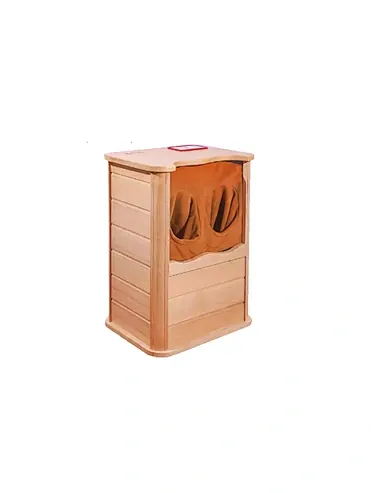
Heating: PTC element, and the water level is part of the control
Most foot spas heat with a PTC element in contact with the basin. PTC is self-limiting to a degree, which is why it is used, but it still needs a thermostat and a water-level or flow sensor, because an element running dry will overheat the plastic around it.
The comfortable range is 35 to 43 °C, and holding it matters more than reaching it. A unit that heats to 42 °C and then switches off cools within ten minutes, which is the most common complaint in the category.
Bubbles, rollers and vibration do different things
Bubbles are produced by an air pump and are mostly sensory — they do not massage muscle. Rollers are mechanical and do, but they require the foot to move over them. Vibration is a small motor with an eccentric weight and is the cheapest sensation to add and the least effective.
For a product sold on relaxation the combination is fine; for one sold on relief, rollers plus heat are the meaningful parts. The specification to state is roller type and motor rating, not the number of bubble holes.
| Feature | What it actually does | Cost to add | Worth stating? |
|---|---|---|---|
| Heat + thermostat | Keeps water at a usable temperature | High — element, sensor, control | Yes, first |
| Rollers | Mechanical massage under the foot | Moderate — mechanism | Yes |
| Bubbles | Sensory stimulation | Low — small pump | Second |
| Vibration | Sensation, minimal effect | Very low | No |
| Red light | Marketing | Very low | No |
Emptying and cleaning decide whether it is used again
A basin that has to be carried to the bath and tipped is a basin that stays in the cupboard. A drain plug or a small pump makes emptying easy, and a smooth interior without narrow corners makes cleaning possible.
The air pump is the hidden problem: water can back up into the air line and grow biofilm, which then smells every time the bubbles run. A check valve in the air line, and a line that can be run dry after use, are the fix.
Electrical safety in a wet product
This is a product used with water and bare feet, so the safety review is the product. Double insulation, a sealed element, a water-level interlock and a residual-current requirement in the manual are all part of it, and a design that skimps on any of them fails at the sample stage.
The cord length and the position of the switch matter as well: a switch reachable with wet hands, or a cord that crosses the floor where the user stands, is a design fault rather than a component one.
Market configuration at a glance
| Market | Voltage | Plug | What changes |
|---|---|---|---|
| EU / UK | 220–240 V | C / F, G | Class II requirements, WEEE, local-language safety warnings |
| North America | 110–120 V | A / B | GFCI expectations, higher current for the same heat |
| Japan | 100 V | A | Re-rated element; heat-up slower |
| SE Asia | 220–240 V | C / G | Humid climate; anti-microbial materials wanted |
Foot spa questions buyers ask
Does it keep the water hot?
Only if it has a thermostat rather than a simple cut-out. The comfortable range is 35–43 °C, and a unit that heats once and switches off is cold within ten minutes, which is the most common complaint.
Do bubbles do anything?
They are sensory rather than therapeutic. Rollers and heat are the parts that affect comfort; bubbles are cheap to add and are mostly about the experience.
Why does it smell when the bubbles run?
Water has backed up into the air line and biofilm has grown. A check valve in the air line, and running the line dry after use, prevents it.
What should be measured on a sample?
Time to reach 40 °C, temperature stability over twenty minutes, water-level cut-off behavior, and current leakage at the element. The last two are the safety tests that decide shipment.
Tell us the market and whether rollers are required, and we will quote the heating control and the water-level interlock as separate lines.
Need help choosing?
Send us the product type, target market and estimated volume — we will shortlist models and quote.