Vacuum Cleaner OEM & ODM
A vacuum cleaner is sold on suction, but suction at the nozzle is created by the whole air path: the motor, the fan, the hose, the cyclone and the floor head. Change one and the number on the box stops being true.
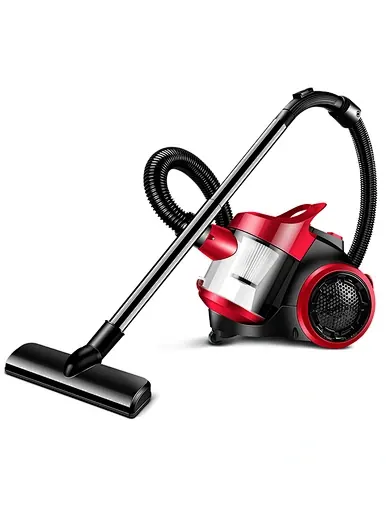

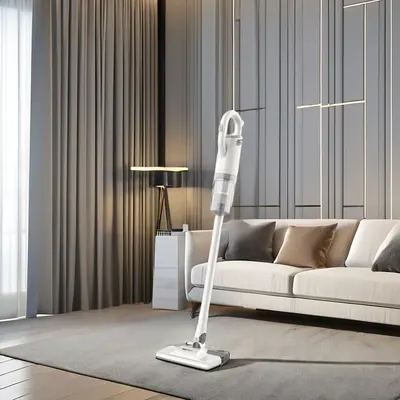
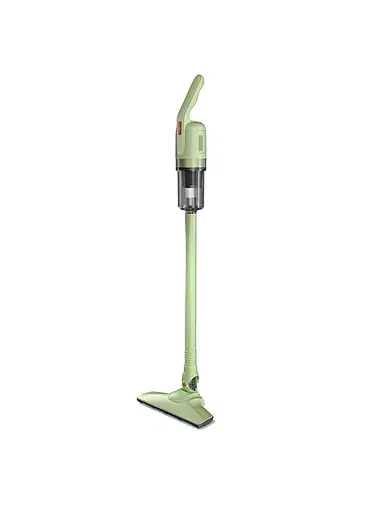
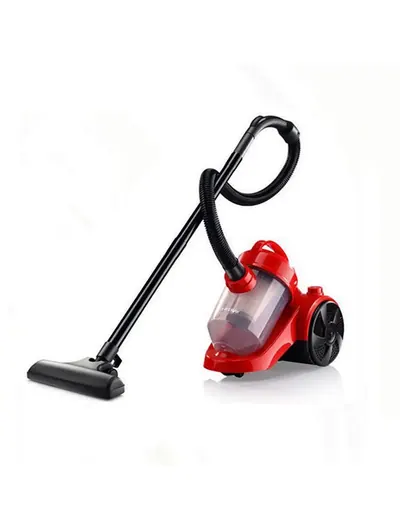
Suction is an air-path decision
Motor wattage tells you how much electricity the machine draws, not how much air it moves. The useful figure is air watts at the nozzle, and it falls every time the air path narrows: a long corrugated hose, a small cyclone inlet or a floor head with a tight gap will cost more than a bigger motor gains.
For a corded canister the practical target is sealed suction the buyer can feel on a palm, with a hose diameter that does not choke on pet hair. For an upright, the brush bar and the floor-head seal matter more than the motor, because the head is where the dirt is lifted.
Filtration decides whether the dust stays in the bin
A single cyclone is cheap and loses suction as the bin fills. A multi-cyclone keeps the filter cleaner for longer and is the difference between a machine that works in month six and one that does not. The pre-motor filter protects the fan; the post-motor filter protects the room.
Washable filters are a selling point in markets where replacement filters are hard to buy. If the filter is washable, the manual has to say how often and how long to dry it, because a damp filter is the most common reason a vacuum smells.
Canister, upright or stick: pick the use case first
A canister is stable on stairs and reaches under furniture; an upright cleans carpet faster in a large room; a stick is for quick pick-ups and hard floors. The same buyer often wants two of the three, which is why a platform with shared floor heads and batteries sells better than a single hero model.
Weight is the specification buyers complain about after purchase. A canister above about 7 kg is tiring on stairs; a stick above 3 kg is tiring overhead. Put the weight in the listing, not only in the manual.
What changes by market
| Market group | Voltage | Plug | What the buyer expects |
|---|---|---|---|
| UK / Europe | 230 V | Type G / Type F | Hard floor plus carpet head, long cord |
| 120 V markets | 120 V | Type A / Type B | Wide floor head, larger dust bin |
| Japan | 100 V | Type A | Compact body, quiet operation |
| Australia / NZ | 230 V | Type I | Hard floor focus, washable filter |
Private label on a vacuum
The visible parts are the housing color, the bin material, the hose and the floor head. A transparent bin shows how much has been picked up and is worth specifying; a painted bin hides scratches and suits a value price. The floor head can carry the brand moulded in, which needs a tooling change rather than a label.
Carton and manual are quoted per market. Cord length, bin volume and filter type belong on the front of the box, because those are the three numbers a buyer compares in a shop aisle.
Vacuum questions buyers ask
Does a bigger motor mean better cleaning?
Not on its own. A large motor behind a narrow hose or a leaking floor head loses more than it gains. Air watts at the nozzle is the number to compare.
Why does suction drop as the bin fills?
Because the cyclone is designed around an empty bin. Dust on the filter and a full bin both restrict airflow. A multi-cyclone and a larger filter area delay the drop.
Can the same body be sold as corded and cordless?
The housing can be shared, but the motor, battery, charger and floor head are different builds. Treat them as two products that share a shape, not one product with an option.
Send the floor mix in your market, the dust capacity you want and whether the bin should be clear or opaque, and we will quote the air path, the floor head and the carton together.
Need help choosing?
Send us the product type, target market and estimated volume — we will shortlist models and quote.