Toaster OEM & ODM
A toaster is judged in its first thirty seconds of use: whether the slot takes the bread the buyer actually eats, whether two slices come out the same color, and whether the lever stays down. Everything after that is finish.
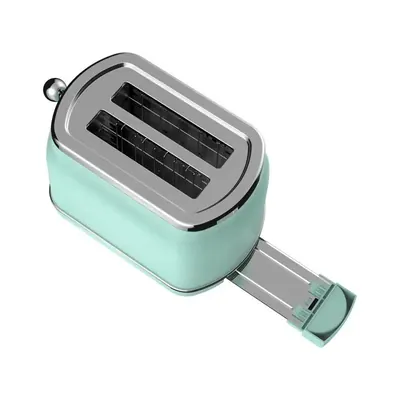
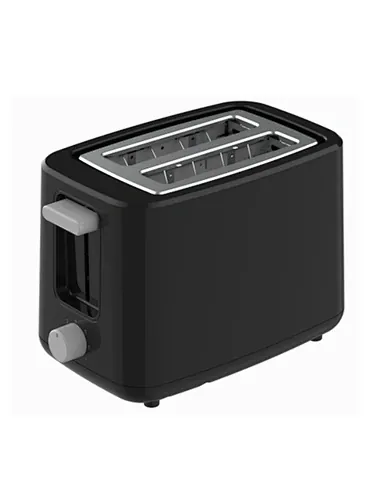
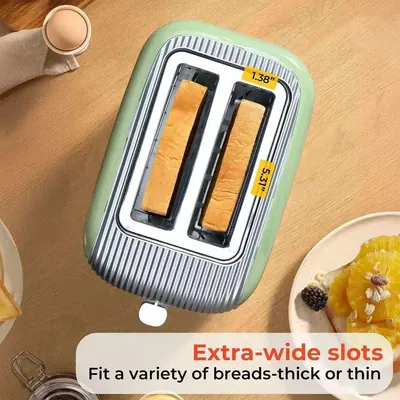
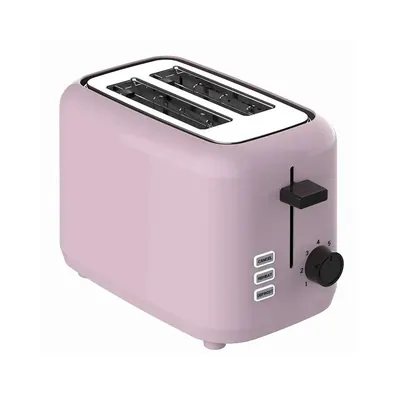
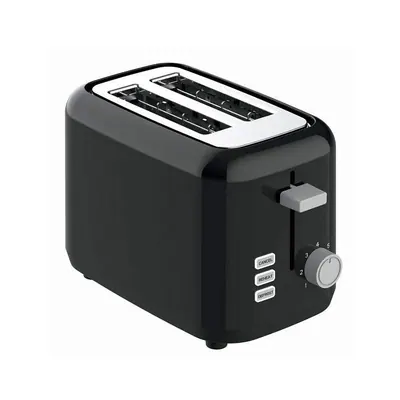
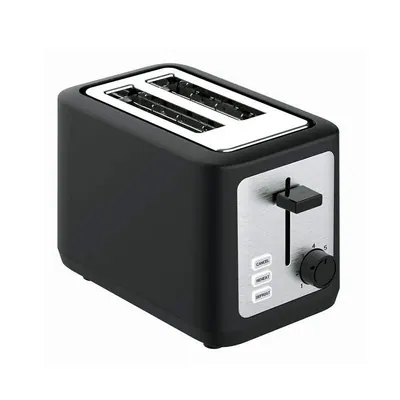
The slot is the specification, and it is decided before the wattage
A standard two-slot toaster takes slices around 110–120 mm wide. A long-slot model takes 250–290 mm, which is what bakery bread, sourdough and rye need; the same machine will not take a bagel without a bagel setting, because the cut face has to be toasted on one side only.
Slot width matters more than people expect. Below about 25 mm the bread is gripped and releases unevenly; above 30 mm a thin slice falls through or leans against one element. Self-centring guides solve the thin-slice problem and are one of the cheapest upgrades a buyer can ask for.
Even browning comes from the element layout and the timer, not the printed wattage
Two machines at 900 W can brown very differently. What decides it is how the nichrome element is distributed across the slot face, how close it sits to the bread, and whether the control compensates for a cold start. A mechanical timer is simple and repeatable; an electronic control adds defrost, reheat and a cancel that lifts the carriage immediately.
Ask for a browning test at three settings on the same bread, with the slices photographed side by side. If the two slots differ visibly at setting 3, the element or the carriage is not aligned, and no amount of finish work will hide it.
What changes by market
| Market group | Voltage | Plug | Typical slot format |
|---|---|---|---|
| UK / Europe | 230 V | Type G / Type F | Long slot is common; wide slices |
| 120 V markets | 120 V | Type A / Type B | Two-slot, wider body, lower wattage |
| Japan | 100 V | Type A | Compact body, shorter slot |
| Australia / NZ | 230 V | Type I | Long slot, insulated pins on the plug |
Private label decisions that show on the shelf
Housing finish drives perceived price more than any internal part: brushed stainless reads premium, painted steel reads value, and a two-tone body can carry a house brand without extra tooling. The crumb tray, cord storage and lever feel are the three things a customer touches in the shop.
For retail, the carton needs a clear front panel, a photo of bread in the slot, and a wattage line that matches the plug type. Instruction manuals are quoted per language set; a market that needs three languages changes the carton and the paperwork, not the appliance.
Toaster questions buyers ask
Can one model serve both 230 V and 120 V markets?
No. The element is re-rated for the voltage and the plug is different, so they are two builds. Sharing the housing and the carriage is normal; sharing the element is not.
Why do some toasters pop the bread too early?
Usually the carriage latch or the timer spring, not the element. A weak latch releases under vibration and the bread comes up pale. It is a small part with a large effect on reviews.
Is a wide slot worth the extra cost?
If the market eats bakery bread or bagels, yes. If it eats standard sliced bread, a two-slot body is smaller, cheaper to ship and easier to store on a counter.
Tell us the bread format your market buys, the voltage and the finish you want, and we will quote the slot width, the element layout and the carton as three separate lines.
Need help choosing?
Send us the product type, target market and estimated volume — we will shortlist models and quote.