Slow Juicer OEM & ODM
A slow juicer is bought for yield and for juice that keeps, and both come from the same part: the auger and the screen that separate pulp from liquid. Everything else is how much patience the machine asks for.
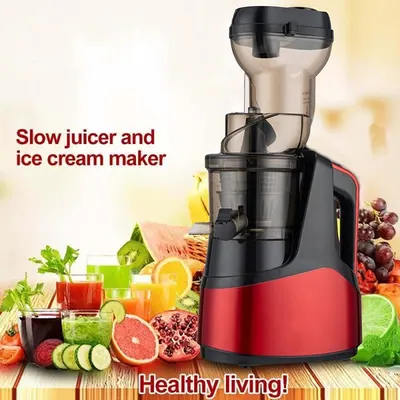
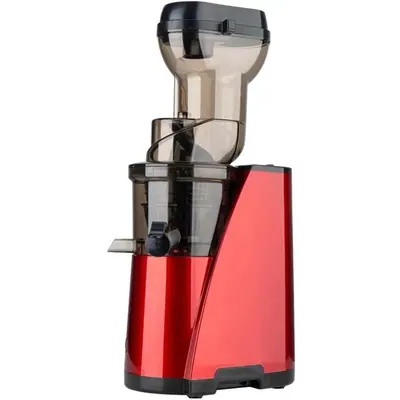
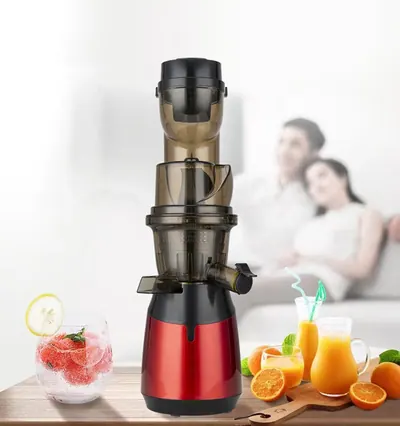
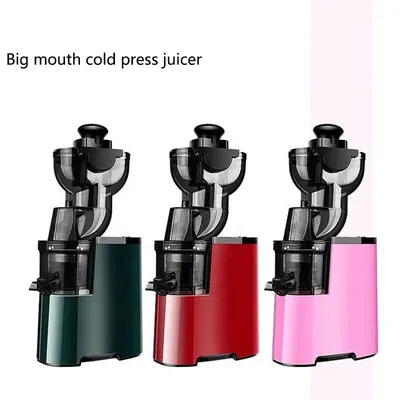
Low speed is the mechanism, not a marketing word
A slow juicer crushes and presses rather than shredding at high speed. The lower speed introduces less air, which is why the juice oxidises more slowly and separates less in the glass. The trade-off is time: the same fruit takes longer to process, and the feed chute decides how much preparation the buyer does first.
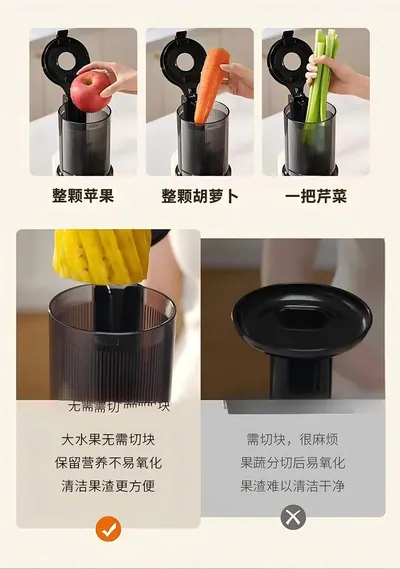
A wide chute accepts whole apples and large carrots, which removes most of the cutting. That convenience is the main reason buyers choose one model over another, and it is a tooling decision rather than a motor decision.
Single auger, twin auger and the screen
A single auger is simpler, cheaper and easier to clean. A twin auger grinds finer and handles leafy greens and wheatgrass better, at a higher cost and more cleaning. The screen mesh is what sets the pulp dryness: a finer screen gives drier pulp and clearer juice, but slows the flow.
Two screens in the box, one fine and one coarse, cover both juice and smoothies. A screen that can be rinsed without a brush saves time, and a brush in the box is the minimum.
Cleaning is the specification buyers underestimate
The parts that touch produce have to come apart without tools, and they have to be reachable with a brush. A juicer that takes ten minutes to clean is used once a week; one that takes two minutes is used daily. The number of parts, not the motor, decides that.
A pulp container with a lid and a juice container with a foam separator are small parts with a large effect on how the appliance feels. Both are also branding surfaces.
Specification by market
| Market group | Voltage | Plug | Common format |
|---|---|---|---|
| UK / Europe | 230 V | Type G / Type F | Vertical, wide chute |
| 120 V markets | 120 V | Type A / Type B | Vertical, twin auger |
| Japan | 100 V | Type A | Compact horizontal |
| Australia / NZ | 230 V | Type I | Vertical, two screens |
Private label decisions that show on the shelf
The chute opening is the feature to show on the carton, because it is the one a shopper can compare at a glance. A transparent body shows the auger working, which supports the slow-juicing story better than text.
The brush, the containers and the recipe leaflet are all low-cost inclusions. A leaflet with ratios for common produce reduces support questions and makes the first use successful.
Slow juicer questions buyers ask
Is slow juice better than fast juice?
It oxidises more slowly and separates less, which most people notice within a day. Whether that matters depends on how soon the juice is drunk.
Can it handle leafy greens?
A twin auger handles them better than a single auger. With a single auger, bundle the leaves with a firmer ingredient.
Why is the pulp still wet?
Usually the screen mesh is too coarse or the feed is too fast. A finer screen and a slower feed give drier pulp.
Send the produce mix your market juices and the chute size you want to offer, and we will quote the auger set, the screens and the containers together.
Need help choosing?
Send us the product type, target market and estimated volume — we will shortlist models and quote.