Orange Juicer OEM & ODM
A citrus press looks like a simple appliance: a cone turns, the fruit is pressed, juice runs out. The differences that decide whether a buyer keeps using it are the cone size, the amount of pulp that reaches the glass, and how much of the fruit a single press leaves behind.
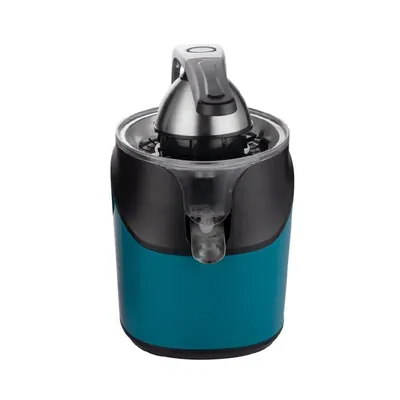
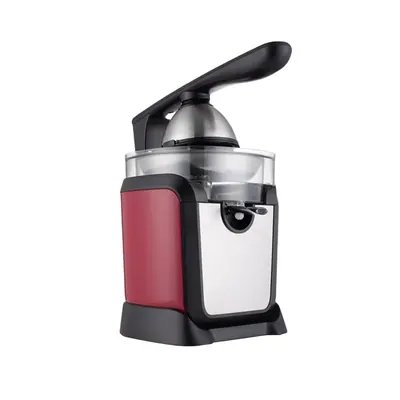
Cone size and fruit size are a matched pair
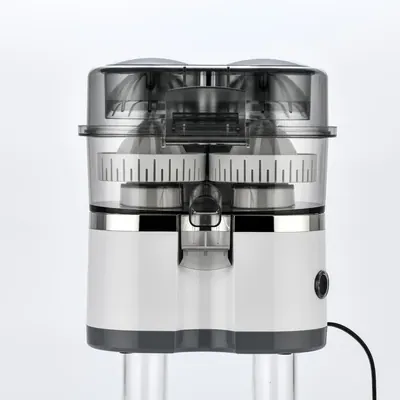
Oranges, grapefruit, lemons and limes are different diameters, and a cone sized for a lemon will not press a grapefruit without splitting the peel. A two-cone set, one small and one large, is the cheapest way to cover a mixed market; a single universal cone is simpler to produce but leaves more juice in the fruit.
The reamer profile matters as much as the diameter. A deep cone with ribs presses the fruit against the wall; a shallow one lets the fruit ride up. For a private label sold into a market where grapefruit is common, the larger cone is not optional.
Manual, motorised and lever presses are three different products
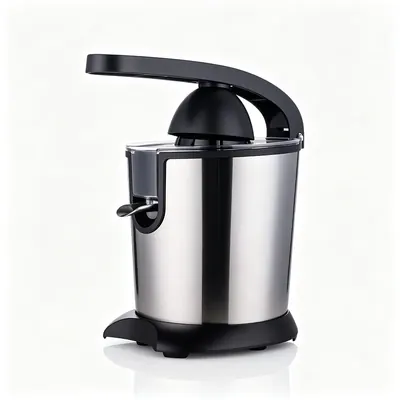
A manual press relies on hand pressure and sells on price and counter space. A motorised press turns the cone and reverses direction, so a light touch is enough; it is the format most households settle on. A lever press, usually a commercial pattern, gives the highest yield and the largest footprint, and it is chosen by buyers who juice by the crate rather than by the glass.
Motorised units are specified by wattage and by whether the cone reverses automatically. Reversal is not a gimmick: a cone that only turns one way pulls the pulp to one side and leaves the other side of the fruit unpressed.
Pulp, foam and the parts that get washed
A strainer with a coarse and a fine insert covers both preferences without a second product. Foam is a separate issue: a pulp screen that sits above the juice line lets foam collect and be poured off, while a screen flush with the base mixes it in.
Every part that touches juice has to be removable, because a press that is awkward to wash is a press that stays in the cupboard. The cone, the strainer and the juice container should come apart without tools, and the container should have a lid so it can go into the door of a fridge.
Where the cost sits
| Build | Drive | Cone | Typical use |
|---|---|---|---|
| Manual press | Hand lever | Single or two-cone | Occasional use, small kitchen |
| Motorised press | Geared motor, auto reverse | Two-cone set | Daily household use |
| Lever press | Manual lever, heavy frame | Large commercial cone | Crate juicing, small cafe |
Private label decisions that show on the shelf
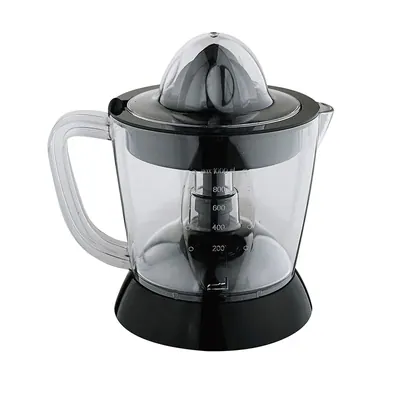
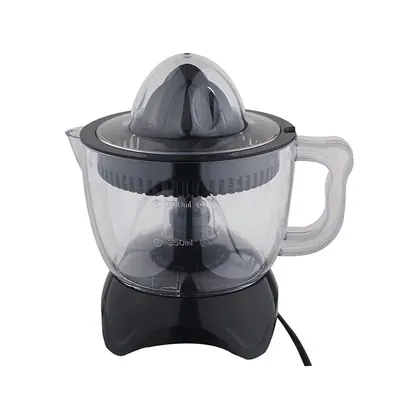
The transparent juice container is the product's display window, so its shape and lid carry the branding more than the motor housing does. A body in brushed stainless reads premium; a white or cream body reads value and is easier to keep clean.
Carton artwork should show the fruit being pressed, not the appliance alone, and the box should state the cone sizes included. A market that buys limes will read the small cone on the front panel before it reads the brand.
Citrus press questions buyers ask
Can one unit press both lemons and grapefruit?
With a two-cone set, yes. With a single small cone, a grapefruit will not seat properly and the peel will split.
Why does the motor stop under pressure?
Most motorised presses have a thermal cut-out. A unit that stops on the second orange is under-geared for the fruit size, not faulty.
Is a manual press enough for a family?
For two or three glasses a day it is. Beyond that the hand effort becomes the reason the unit is put away.
Tell us the citrus mix in your market, the format you want to lead with and the packaging language set, and we will quote the cone set, the container and the carton separately.
Need help choosing?
Send us the product type, target market and estimated volume — we will shortlist models and quote.