Mini Fan OEM & ODM
27 mini fan models in handheld, neckband, clip and desk formats, cordless and USB-charged. Mini fans are bought on the airflow the user feels at arm's length rather than at the outlet, and the specification that decides whether the product is used is the one nobody prints: how long it runs on the setting people actually use.
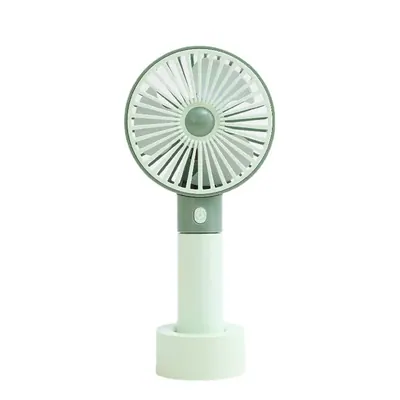

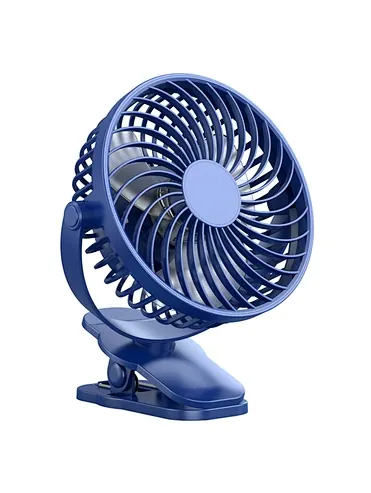
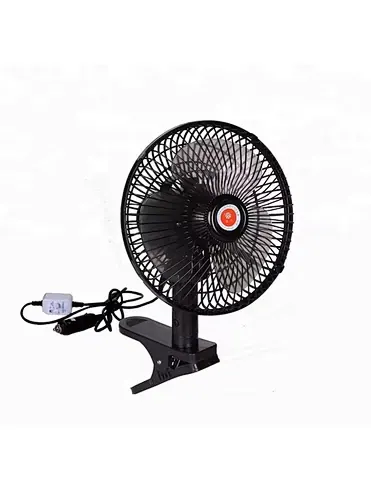
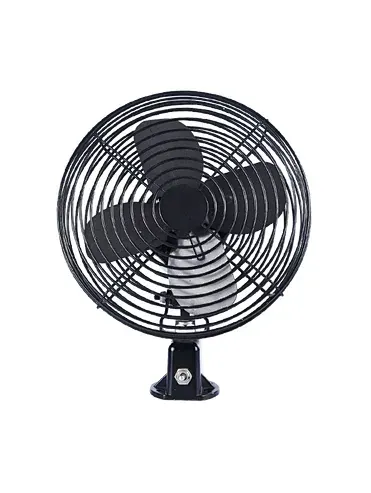
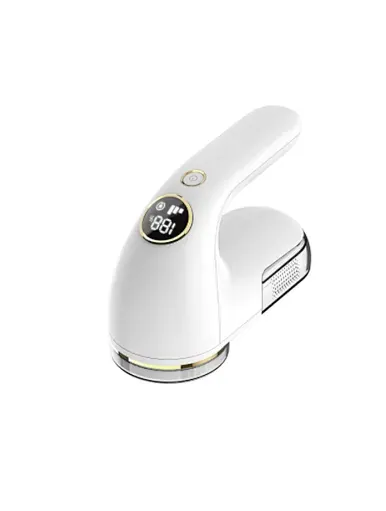
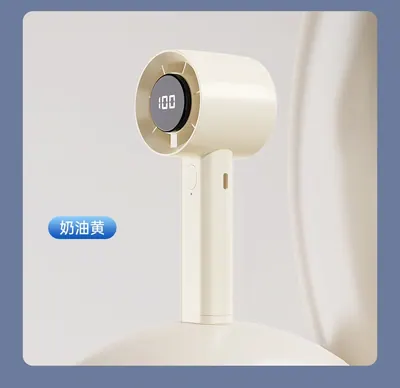
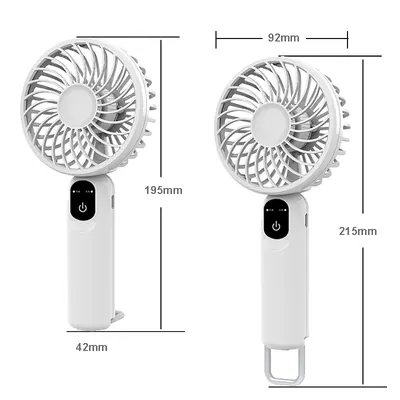
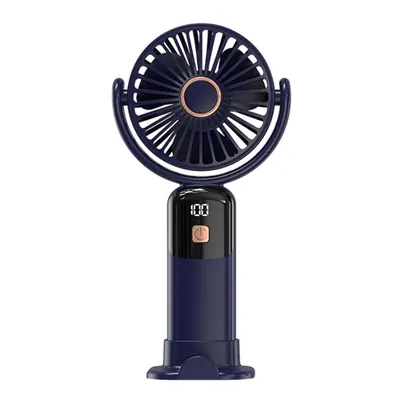
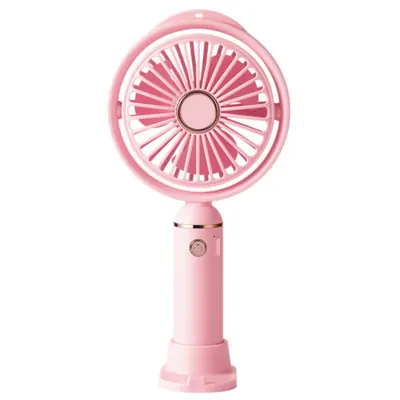
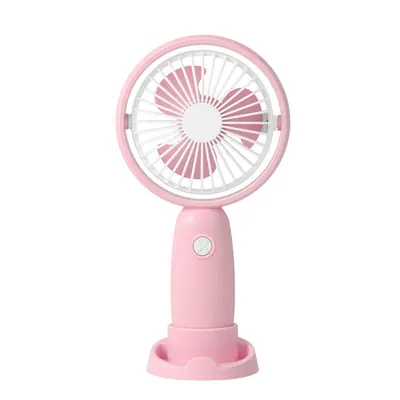
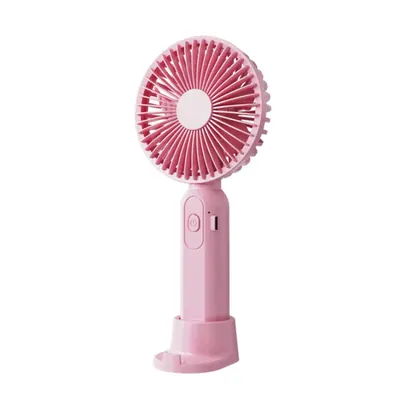
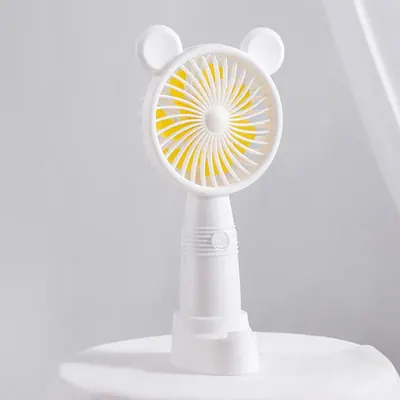
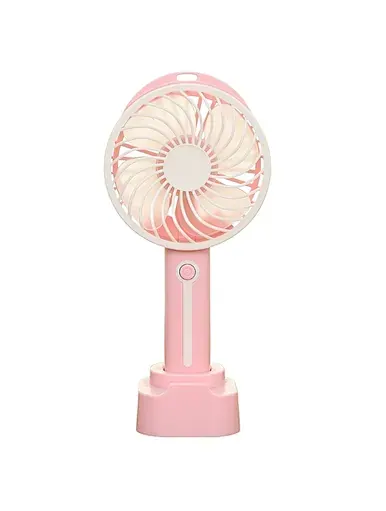
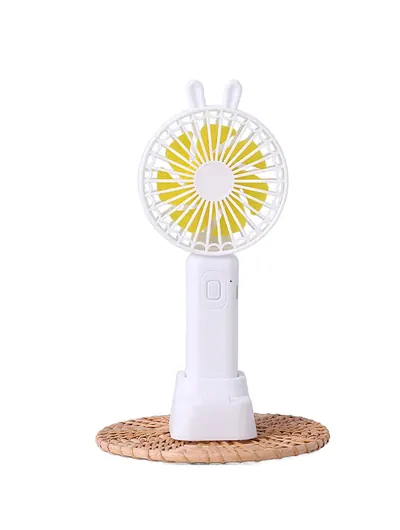
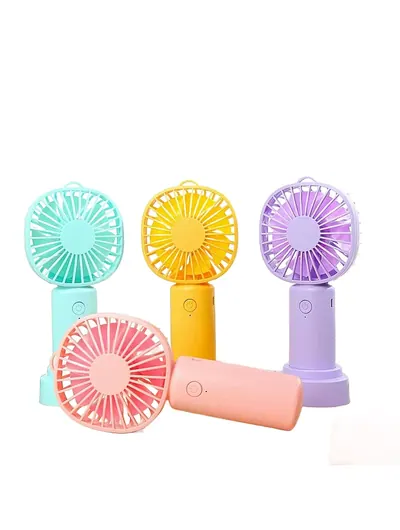
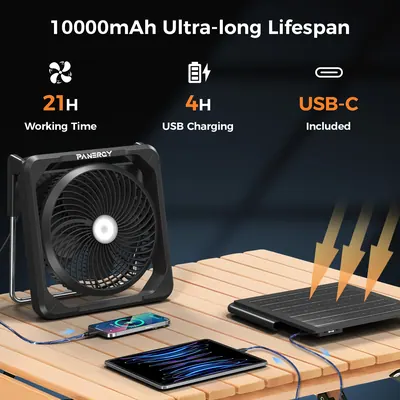
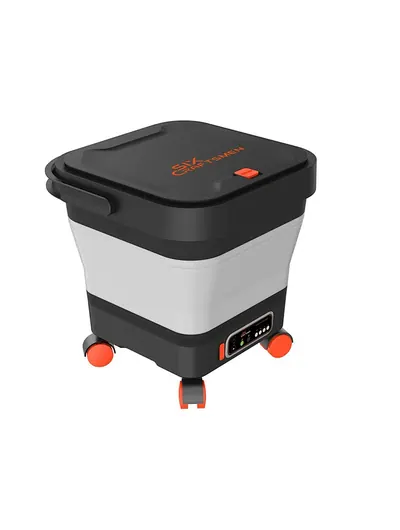
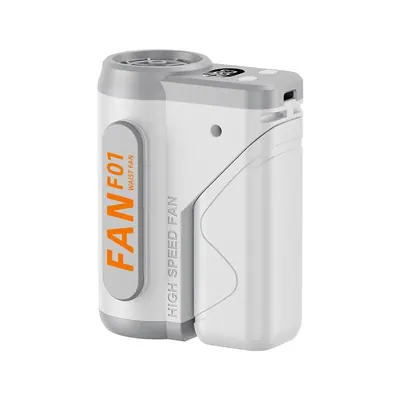
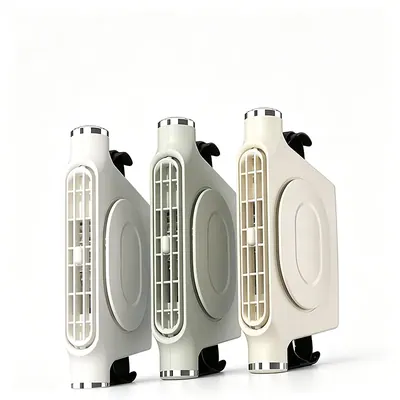
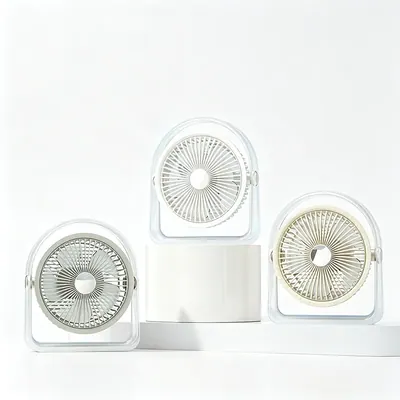
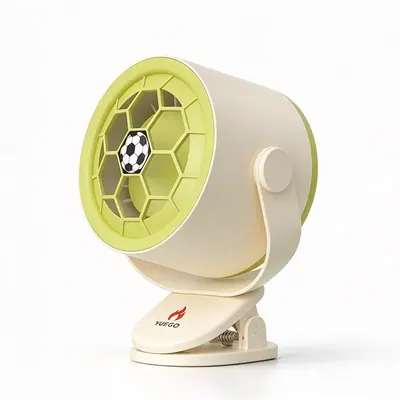
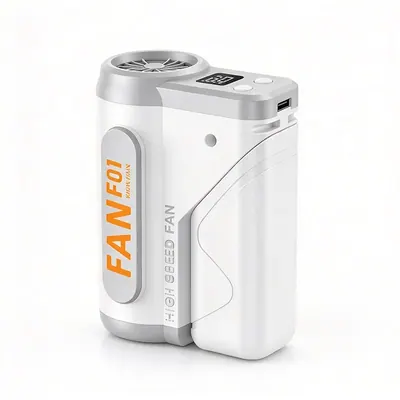
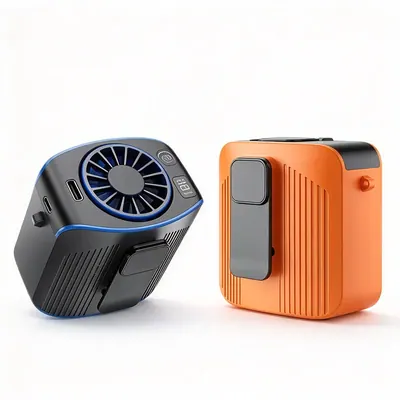
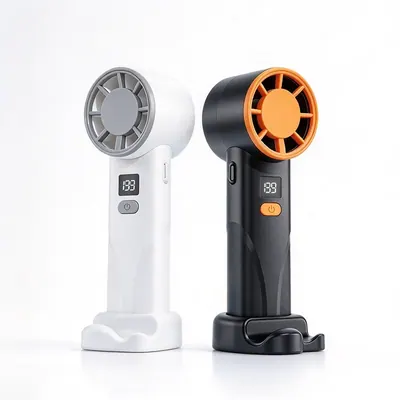

Airflow is measured where the user is, not at the grille
A mini fan's airflow is quoted as a figure at the outlet or at a fixed distance, and the number that matters is what reaches the user's face. On a handheld unit held thirty centimeters away, a fan with a narrow, fast jet feels weaker than one with a wider, slower column of air, even when the outlet figures are similar.
That is a blade and grille decision rather than a motor decision. A wider blade profile with a lower pitch moves more air at low speed and throws it further; a small high-pitch impeller produces a concentrated jet that disperses quickly. Both are sold as the same wattage.
Because of this, a sample in this category should be judged in the hand, at the distance it will be used, rather than on a bench. It is one of the few categories where the buyer's own sense of the airflow is the most reliable test available.
Run time on the setting people use
Battery run time is usually quoted on the lowest setting, and buyers use the highest. That gap is the most common source of disappointment in the category, and it is a specification the buyer controls rather than a fault.
The honest way to quote a product is to state the run time at each speed, and the honest way to specify it is to decide which speed is the one the customer will leave it on. A fan with a long run time at a speed nobody uses is not a long-running fan.
Charge time matters alongside it. A product that takes several hours to charge and runs for one is not one that can be relied on away from a socket, and the ratio between the two is what a returning customer remembers.
Specification decisions that move the unit cost
| Decision | What it changes | Why it moves the price |
|---|---|---|
| Format | Handheld, neckband, clip, desk or foldable | The format decides the housing moulding, the battery size that will fit, and which retail channel the product suits |
| Blade and grille | Blade profile, pitch and the grille opening | A wider, slower blade moves more usable air; the grille decides how much of it reaches the user and how safe the product is near hair |
| Battery | Cell capacity, and the run time it produces at each speed | Capacity scales the cell cost directly, and it also scales the weight, which is what the user notices in a handheld format |
| Charging | USB-C, micro-USB, or a dock | USB-C removes the need to ship an adapter and is now expected; a dock adds a moulding and contacts |
| Speed control | Single speed, stepped, or stepless | A stepless control adds a circuit and is frequently what buyers compare on, because it allows a compromise between noise and airflow |
| Noise | Motor class and how the housing damps it | A fan held near the face is judged on noise as much as airflow, and both are decided by the motor and the moulding |
| Mounting | Clip, stand, lanyard or foldable base | Each adds a mechanism, and a clip that loses its grip is a common complaint |
Neckband and wearable formats have their own constraint
A neckband fan is worn rather than held, which changes what matters. Weight is felt continuously, the outlets have to be positioned so they do not blow into the eyes, and the band has to fit a range of neck sizes without pinching.
The fit problem is real and frequently underestimated. A band sized for one user is uncomfortable for another, and returns in this format are often about fit rather than about performance. Where a format is wearable, an adjustable band or a flexible arm is worth the extra moulding cost.
Wearable formats also raise a safety consideration that handheld ones do not: the product sits against skin and near hair for extended periods, which makes the grille opening and the surface temperature part of the specification rather than details.
Voltage, plug type and compliance by market
Most mini fans are USB-charged rather than mains-powered, which simplifies the electrical position but does not remove it, because the battery is still a regulated item and the charger may be supplied. We do not pre-certify every SKU; testing and certification are arranged per model and per market, quoted as their own line.
| Market | Charging | What is usually required |
|---|---|---|
| European Union | USB, or 220–240V where an adapter is supplied | CE marking with test reports behind it, plus battery documentation and the adapter assessed if one is included |
| United Kingdom | USB, or 230V where an adapter is supplied | UKCA marking with the test reports and the same battery documentation |
| North America | USB, or 110–120V where an adapter is supplied | Listings that retailers and marketplaces accept before the product can be sold |
| Australia and New Zealand | USB, or 230–240V where an adapter is supplied | Electrical safety approval, with the adapter assessed separately |
| Middle East and Southeast Asia | USB, or 220–240V where an adapter is supplied | Depends on the destination; conformity documents are frequently required at customs |
Branding, packaging and the impulse shelf
Mini fans sell at an impulse price point, frequently from a pegboard or a display near a till, and the box front does the selling. That makes the packaging more important than the logo, and it makes the size of the box a commercial decision — a small carton that fits a pegboard display is worth more than a large one that looks impressive.
On the product, pad printing and silk screen suit plastic housings, and color is a bigger part of the decision here than in most categories. A range in several colors sells better together than one color with a strong logo.
Seasonal timing matters as much as in any summer category. A mini fan that arrives after the hot season has no second chance, and the position in the season is frequently worth more than the difference between two similar models.
Mini fan questions buyers ask
How should we quote the airflow?
Honestly and completely, because a figure measured at the outlet does not describe what the user feels at arm's length. The most useful specification is the airflow at each speed and the distance it carries, and the reliable test is a sample in the hand.
How long does it run on the highest setting?
That depends on the cell capacity and on what the highest setting draws, and it is usually much shorter than the figure quoted on the lowest setting. We will give you the run time at each speed for the model you are considering rather than a single headline number.
Handheld, neckband or clip?
They suit different uses. Handheld suits short outdoor use, neckband suits hands-free use over longer periods, and clip or desk formats suit a fixed position. A neckband product carries an additional fit consideration, which is why an adjustable band is worth specifying.
What is the minimum order for a mini fan?
It is quoted per model, because it depends on the model and on how much of it is already tooled. Both the minimum order quantity and the lead time are stated on the quotation for the specific model you pick.
Can the fan be supplied without an adapter?
Yes, and USB-charged models frequently are, which removes the adapter and its approval from the order. Where an adapter is supplied, it is assessed as part of the product in most markets.
Do the fans come with certification?
We do not claim blanket certification across the catalog. Certification and battery documentation are arranged for the specific model and the specific market you are ordering for, and quoted as their own line.
If the fan you need is not in this list, send the specification — format, airflow class, battery and charging interface — and we will tell you what is available.
Need help choosing?
Send us the product type, target market and estimated volume — we will shortlist models and quote.