Ice Maker OEM & ODM
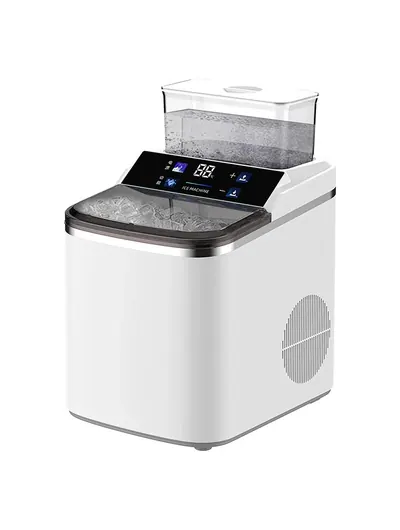
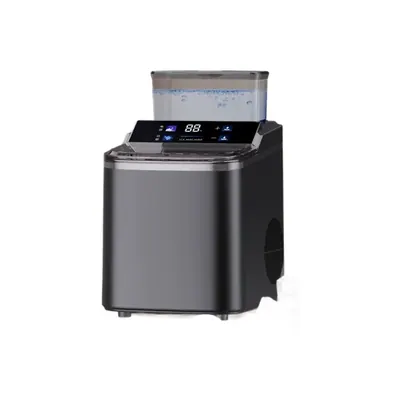
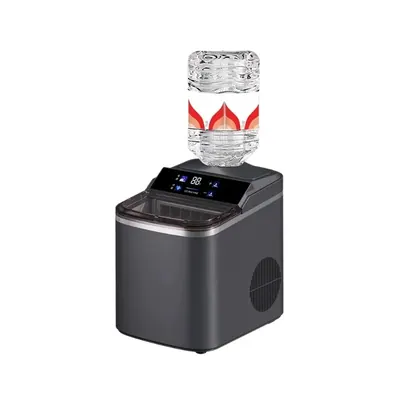
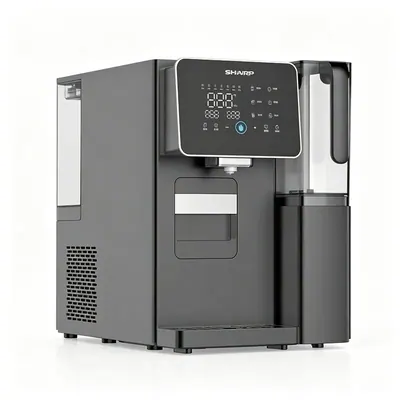
16 ice maker models, in countertop and larger formats, using compressor or thermoelectric cooling, with plumbed or tank water supply. Ice makers are sold on how quickly they produce the first batch, and judged on how much ice they produce in an hour once they are running — two numbers that behave quite differently.
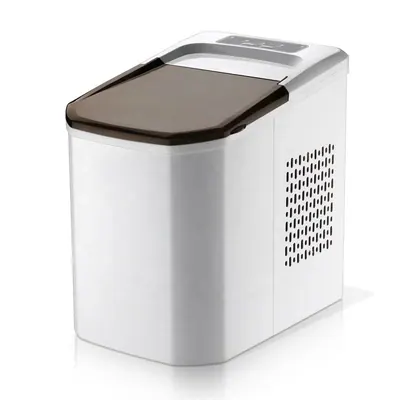
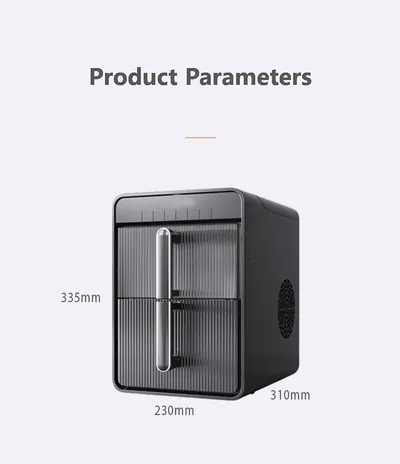
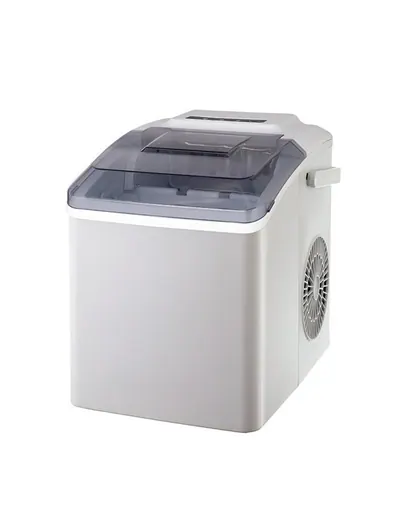
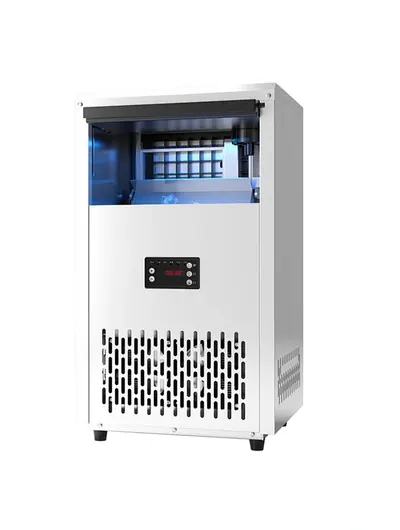
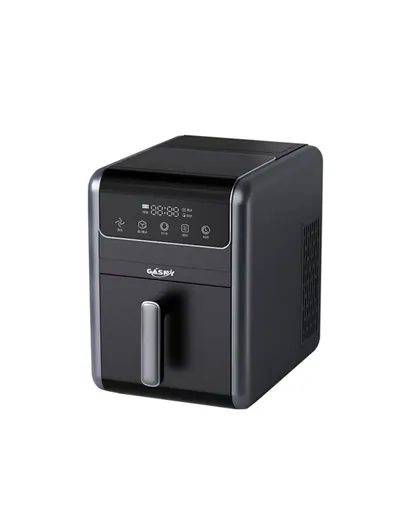
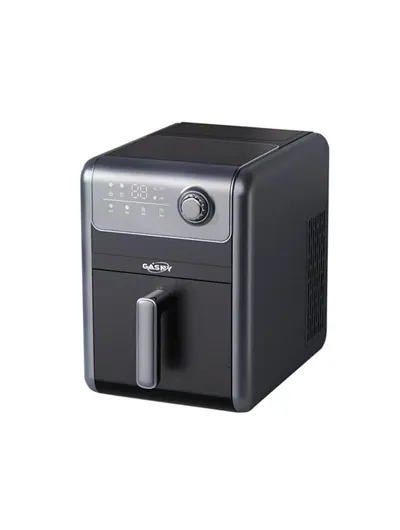
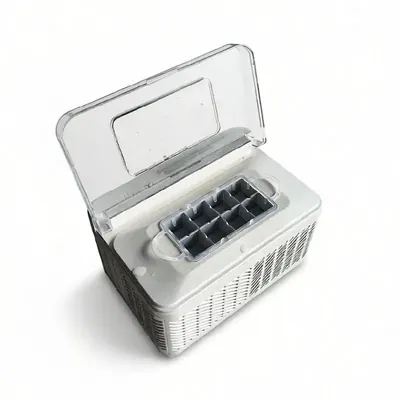
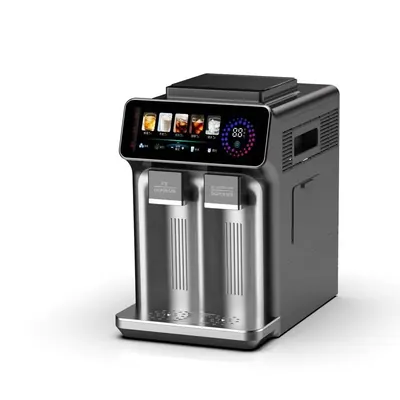
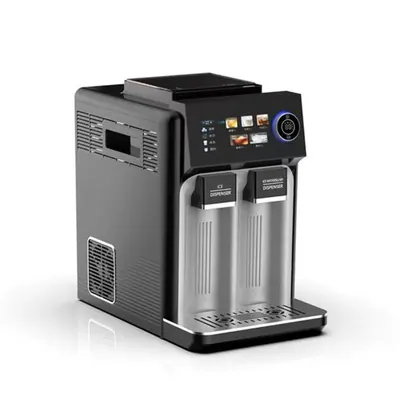
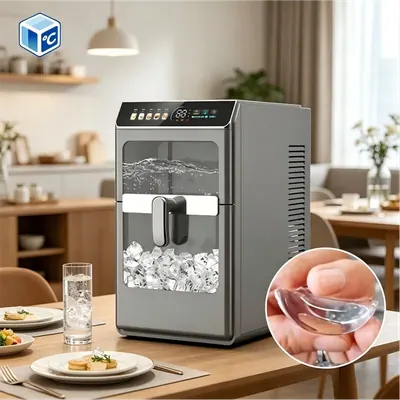
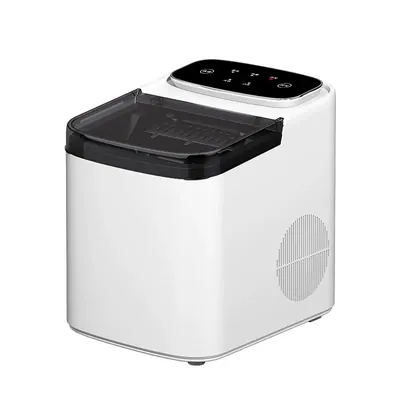
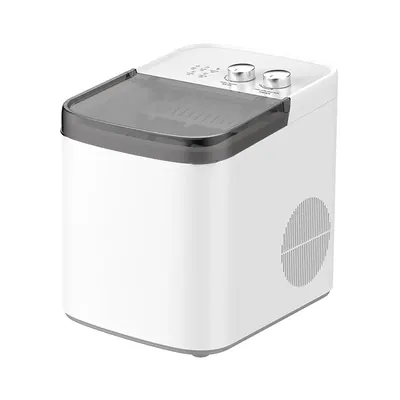
First-batch time and sustained output are different promises
The figure on the box is usually how long the machine takes to produce its first batch, which is a real number and a misleading one. It describes the machine from cold, with an empty basket and an empty reservoir. What the customer experiences over an evening is the sustained output: how many batches per hour the machine produces once it is running, and how much ice remains in the basket at any moment.
The two are related but not proportional. A machine with a fast first batch and a slow recovery will disappoint a party; a machine with a slower first batch and steady output will handle the same party comfortably. Recovery time depends on the cooling system, the size of the ice mould and how efficiently the machine releases the ice from it.
For a buyer, the useful specification is output per hour and storage capacity in the basket, alongside the first-batch figure rather than instead of it.
Compressor or thermoelectric
| System | How it works | What it decides |
|---|---|---|
| Compressor | A refrigerant circuit, as in a refrigerator | Higher output, ice that holds its shape, and the machine works in a warm room. It is louder, heavier and contains a refrigerant |
| Thermoelectric | A Peltier element transferring heat from one side to the other | Quieter, lighter and cheaper, with lower output and ice that melts faster. Performance falls away in a warm room |
| Hybrid or assisted | A thermoelectric element with additional cooling | Sits between the two, and is frequently marketed as combining the advantages without being either |
For a household making a tray of ice, thermoelectric is adequate. For a bar, a restaurant or a household that fills a cooler, a compressor machine is the only one that keeps up — and it is also the one that contains a regulated refrigerant.
Specification decisions that move the unit cost
| Decision | What it changes | Why it moves the price |
|---|---|---|
| Cooling system | Compressor or thermoelectric | The largest single cost step in the category, and it also decides the weight, the noise and whether a refrigerant is present |
| Ice mould and release | Shape and size of the ice, and how it is released from the mould | The release mechanism decides recovery time; a mould that holds onto the ice slows the whole cycle |
| Water supply | Manual tank, or plumbed to a mains supply | Plumbing removes the need to refill and adds a connection, an inlet valve and market-specific fittings |
| Basket and storage | Capacity, and whether the basket is insulated | Insulation slows melting, which is what the customer notices between batches |
| Self-clean cycle | Whether the machine has one, and how it works | Adds a pump and a control sequence, and it addresses the maintenance complaint that retires most ice makers |
| Controls | Buttons and indicators, or a display with a timer | Electronics and firmware, plus tooling for the panel |
| Noise | Compressor class and how the housing damps it | An ice maker running in a kitchen or a bar is heard constantly, and quieting it is a motor and mounting decision |
Where an ice maker fails: scale, mould and the water
Ice makers handle water constantly and freeze it repeatedly, which makes them vulnerable to the same scale problem as any water appliance, with an added mechanical consequence: scale in the mould changes how the ice releases, so the machine slows down before it stops.
The design decisions that determine how that plays out are whether the machine has a self-clean or descaling cycle, how easily the water reservoir and the mould can be reached, and whether the water path can be flushed. A machine whose mould cannot be cleaned will lose output steadily and be blamed for a fault that is maintenance.
Filtration is the other half. An ice maker with a filter in the reservoir produces clearer ice and scales more slowly, and where the customer's water is hard the difference over a year is substantial. Stating that in the manual is worth doing, because scale damage is frequently attributed to the machine.
Refrigerant, voltage and compliance by market
Compressor ice makers contain a refrigerant, and refrigerants are regulated by market: which one may be used, how the product must be labeled, and what documentation has to accompany it all differ between destinations. We do not pre-certify every SKU; testing, certification and refrigerant documentation are arranged per model and per market, quoted as their own line.
| Market | Voltage and plug | What is usually required |
|---|---|---|
| European Union | 220–240V, CEE 7/7 (Schuko) | CE marking with test reports behind it, plus refrigerant and food-contact material documentation |
| United Kingdom | 230V, BS 1363 (Type G) | UKCA marking with the test reports and the same refrigerant and material documentation |
| North America | 110–120V, NEMA 1-15 or 5-15 | Listings that retailers accept, together with the refrigerant documentation for compressor models |
| Australia and New Zealand | 230–240V, AS/NZS 3112 (Type I) | Electrical safety approval, water fitting compatibility where plumbed, and refrigerant documentation |
| Middle East and Southeast Asia | 220–240V, plug type varies by country | Depends on the destination; conformity and refrigerant declarations are frequently required at customs |
Branding, packaging and the countertop format
A countertop ice maker is a visible appliance, so the front face and the lid are the branding surfaces. Pad printing and silk screen suit plastic housings, and a transparent lid over the basket is where the product demonstrates itself — the customer watches ice being made, which is part of why the product sells.
Packaging should protect the machine in transit and show it clearly. Because these units are bulky relative to their price, carton volume is worth watching, and the box front should state the output per hour rather than only the first-batch time, since that is the number that determines whether the customer is satisfied.
Both are proofed before production, and the artwork proof is free.
Ice maker questions buyers ask
How much ice does it actually produce?
The figure on the box is usually the first batch, which describes the machine from cold. The number that matters over an evening is output per hour and how much the basket holds. We will give you both for the model you are considering rather than the first-batch figure alone.
Compressor or thermoelectric?
Thermoelectric is quieter, lighter and cheaper, with lower output and ice that melts faster, and it performs worse in a warm room. A compressor machine produces more, holds ice shape and works in a warm kitchen, and it contains a refrigerant that is regulated by market. Which is right follows from who the customer is.
Why does output fall off over time?
Usually scale in the mould. Scale changes how the ice releases, so the cycle slows before the machine stops. A self-clean cycle, a reachable mould and a filter in the reservoir all delay it, and saying so in the manual prevents it being read as a fault.
What is the minimum order for an ice maker?
It is quoted per model, because it depends on the model and on how much of it is already tooled. Both the minimum order quantity and the lead time are stated on the quotation for the specific model you pick.
Do the ice makers come with certification?
We do not claim blanket certification across the catalog. Certification, refrigerant documentation and the food-contact material documentation for the mould and basket are arranged for the specific model and the specific market you are ordering for.
Can we see a sample before ordering in bulk?
Yes. A production sample is produced and shipped before bulk production, and for a compressor model it is worth running it long enough to see the sustained output rather than only the first batch.
If the ice maker you need is not in this list, send the specification — cooling system, output, water supply and format — and we will tell you what is available.
Need help choosing?
Send us the product type, target market and estimated volume — we will shortlist models and quote.