Heating Pad OEM & ODM
A heating pad is the simplest product in this category and the one where a design shortcut becomes a burn. The surface temperature, the over-temperature protection and the auto-off timer are the whole product; everything else is a cover.
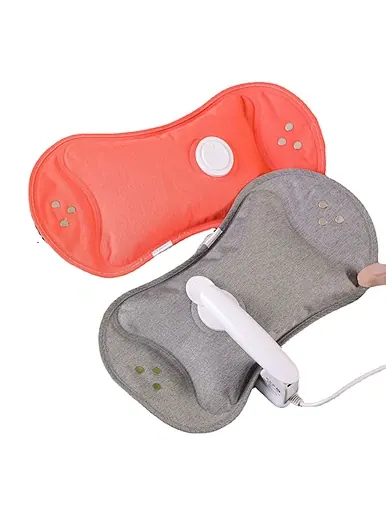
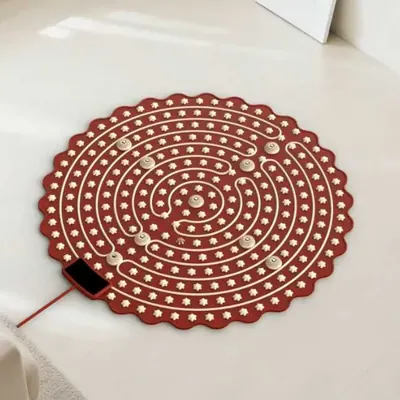
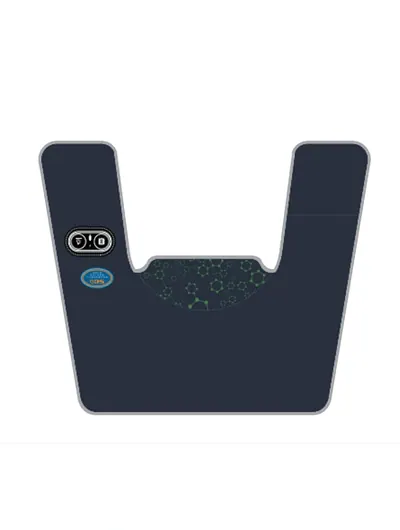
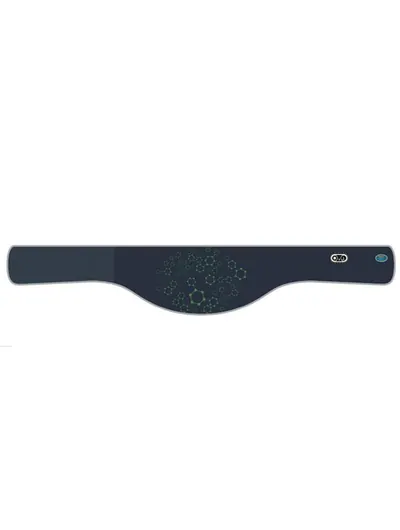
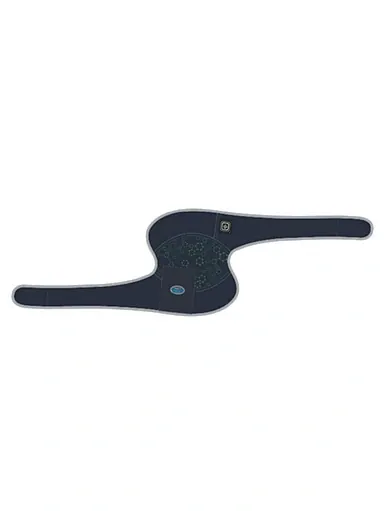
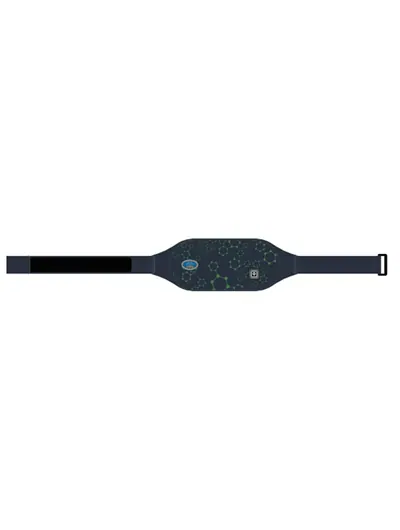
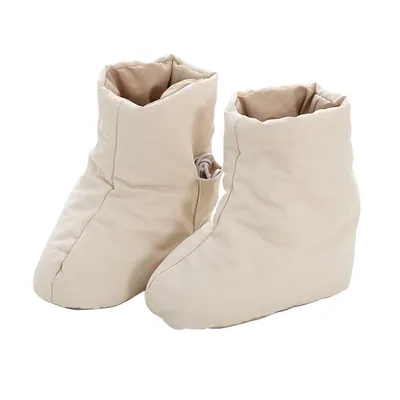
Surface temperature, not element temperature
The number that matters is the temperature on the fabric the user touches, not the element inside. A pad that reaches 60 °C on the surface is at the top of what is comfortable for most adults and above what is safe for elderly skin or for use while sleeping.
Typical settings are low at 40–45 °C, medium at 50–55 °C and high at 60 °C and above, with the high setting intended for short use. A pad without a thermostat cycles between too cold and too hot, which is what users describe as 'it works then it doesn't'.
Three protections, and the reason each is needed
A thermostat holds the temperature. A thermal fuse opens if the thermostat fails closed. An auto-off timer removes power after a set period, typically 90 minutes to two hours, because the main risk is a user falling asleep on the pad. All three are needed because each protects against a different failure.
The timer is also a market requirement in several jurisdictions for pads sold for home use, and it is checked on samples. A pad with a mechanical switch and no timer is the design that gets rejected.
| Protection | Protects against | Typical setting | Checked on samples? |
|---|---|---|---|
| Thermostat | Normal over-temperature | 40–60 °C surface | Yes — temperature at each setting |
| Thermal fuse | Thermostat stuck closed | One-shot, above max | Yes — construction review |
| Auto-off timer | Falling asleep on the pad | 90–120 min | Yes — timer function |
| Double insulation | Electrical fault in a washable product | Class II | Yes — insulation test |
The heating element and the washable cover
A carbon-fiber or wire element bonded into a fabric layer is flexible and distributes heat; a wire element that is stitched loosely creates hot spots where the wire bunches. Hot spots are what cause scorching and, eventually, ignition.
Removable covers are expected by customers and they are a design risk: the cover is what keeps the user away from the element and the connector. A cover with a proper closure and a connector that cannot be reached without removing it satisfies both.
EMF, wrap styles and the parts that fail
Some markets ask about electromagnetic fields, and a heating pad runs a current close to the body. The practical design answer is a twisted pair or a shielded element and a two-pole switch, which reduces the field to well below any guideline; the marketing answer is a claim that has to be documented.
The parts that fail are the connector at the pad (flexing) and the controller (switch wear). A strain relief and a tactile switch with a rubber boot are cheap and remove most service returns.
Market configuration at a glance
| Market | Voltage | Plug | What changes |
|---|---|---|---|
| EU / UK | 220–240 V | C / F, G | Auto-off and temperature limits reviewed, WEEE, warnings in local language |
| North America | 110–120 V | A / B | Timer and temperature limits per UL-style review, larger pad sizes |
| Japan | 100 V | A | Re-rated element; heat-up slower |
| SE Asia | 220–240 V | C / G | Humid climate; washable cover expected |
Heating pad questions buyers ask
How hot should the surface get?
Low about 40–45 °C, medium 50–55 °C, high 60 °C for short use. Above that the risk to elderly or sleeping users rises quickly, which is why the timer matters as much as the thermostat.
Is the auto-off really needed?
It is both a safety feature and, in several markets, a review requirement. The main risk is a user falling asleep on the pad, and a timer is the only protection against that.
Why do some pads develop hot spots?
Because the heating wire bunches where the fabric is stitched loosely or where the pad creases. A bonded carbon-fiber or evenly laid wire element avoids it; a wire that can move inside a loose channel does not.
What should be measured on a sample?
Surface temperature at each setting after ten minutes, cut-off time of the timer, insulation resistance, and the connector's flex life. Temperature and timer behavior are the two that predict complaints.
Tell us the market and whether the cover must be washable, and we will quote the thermostat and timer arrangement as separate lines.
Need help choosing?
Send us the product type, target market and estimated volume — we will shortlist models and quote.