Handheld Vacuum OEM & ODM
29 handheld and cordless vacuum models, from compact car and desk units to full-size cordless sticks. Handheld vacuums are sold on a suction figure that is quoted in more than one unit and measured in more than one way, and the specification that decides whether the product is still useful after a month is the filter.
Handheld Vacuum OEM & ODM: models, specifications and MOQ
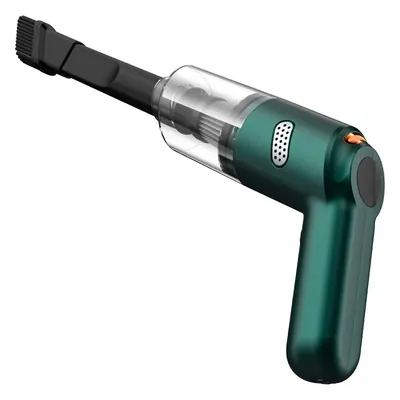
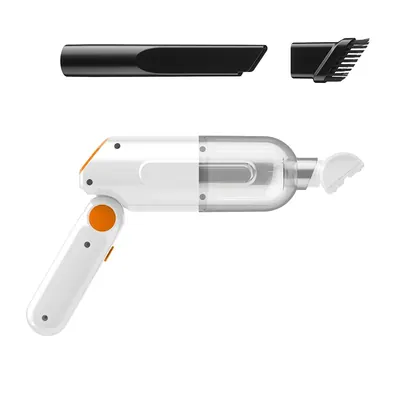
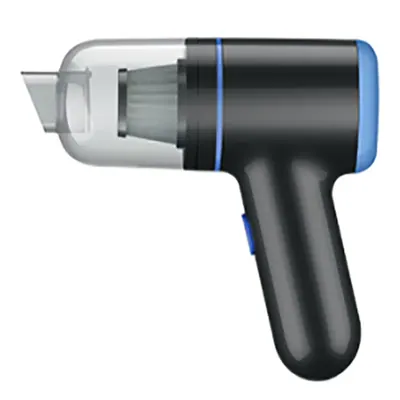
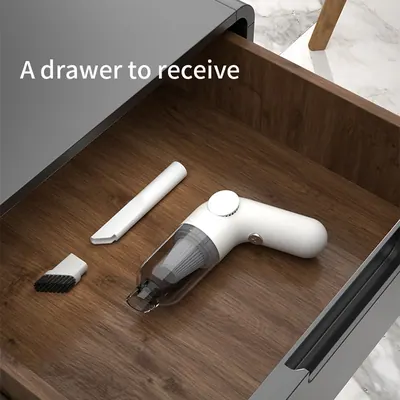
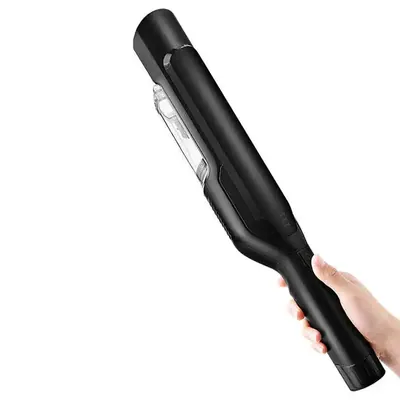
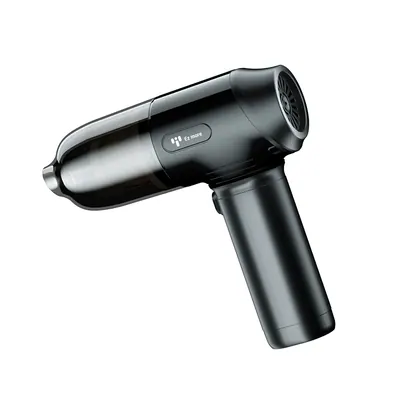
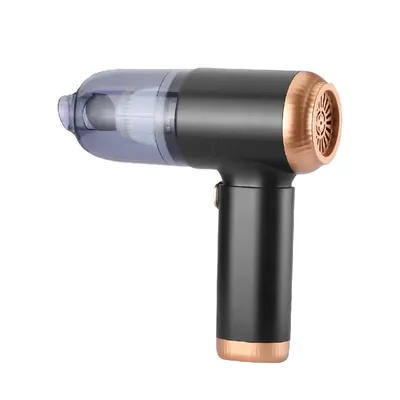
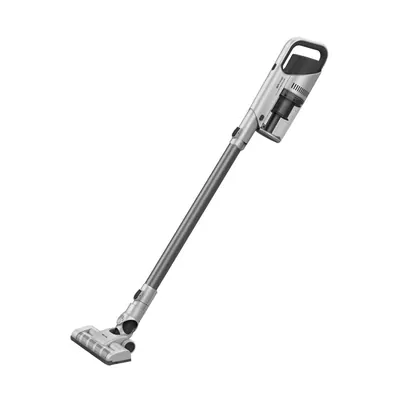
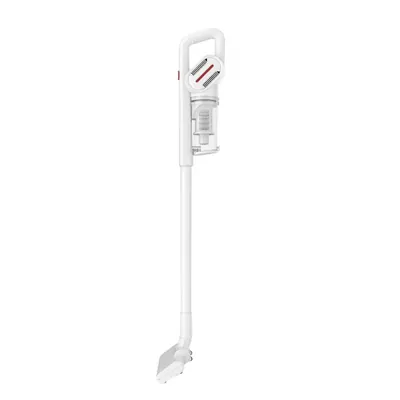


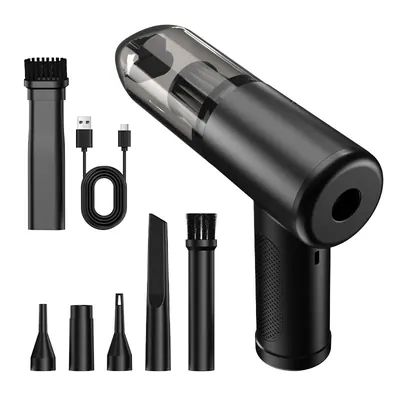

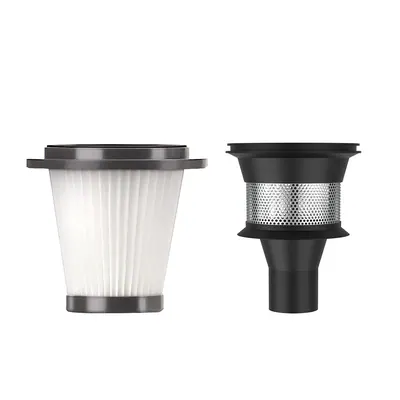
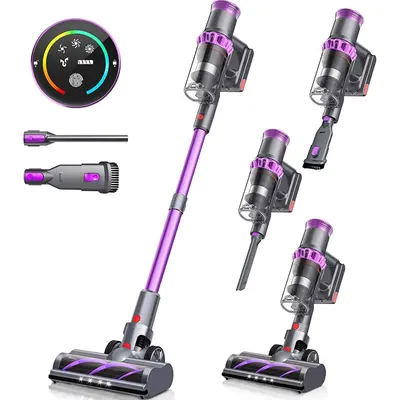
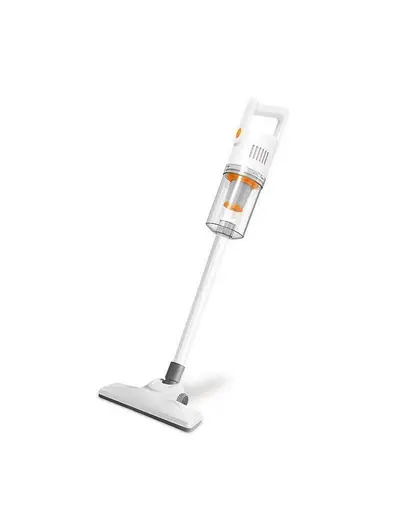
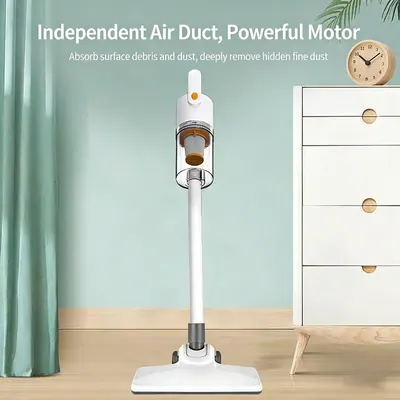
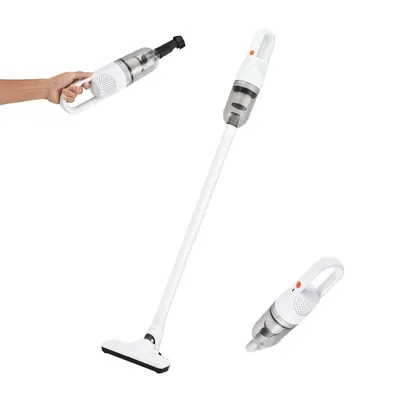
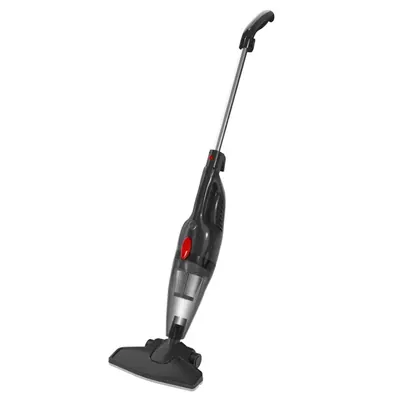
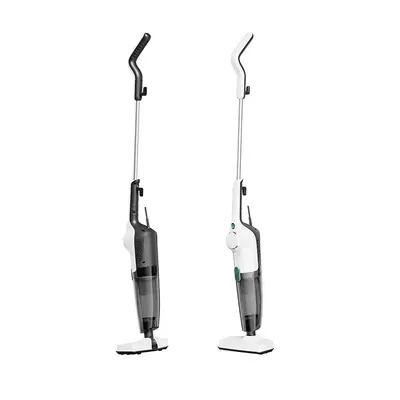
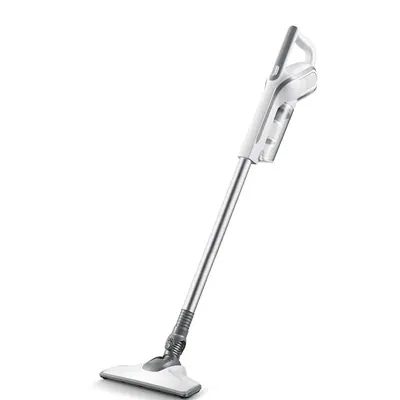
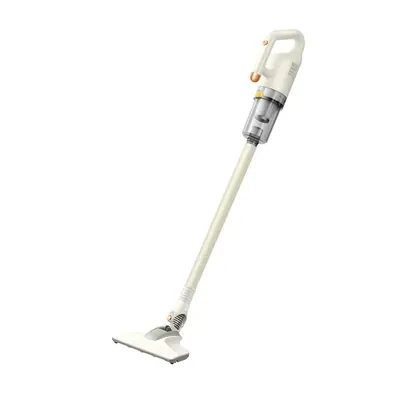
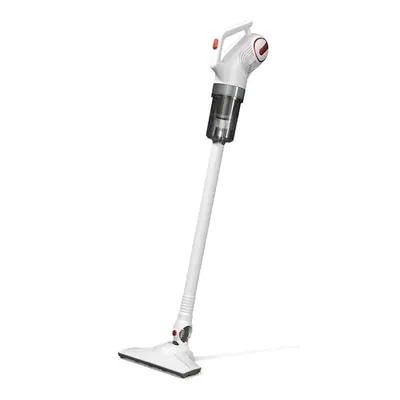
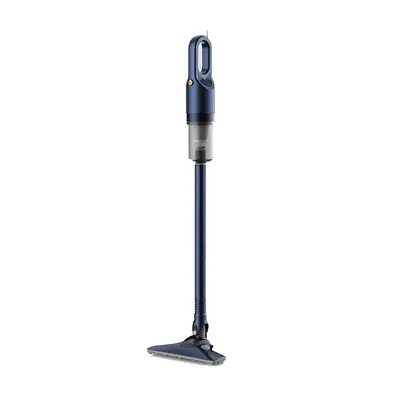
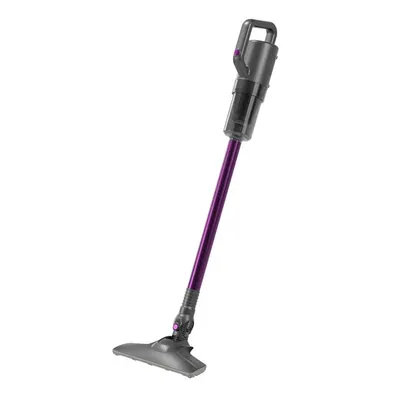
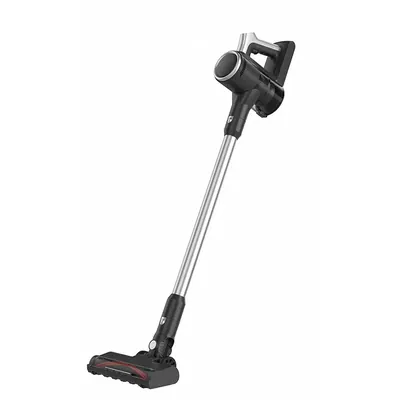
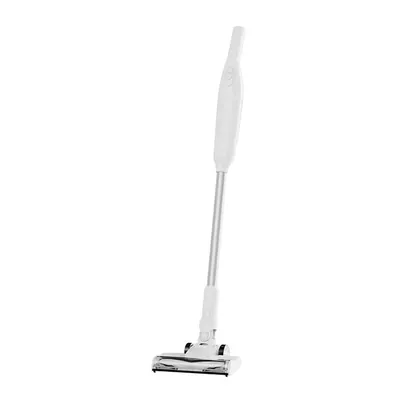
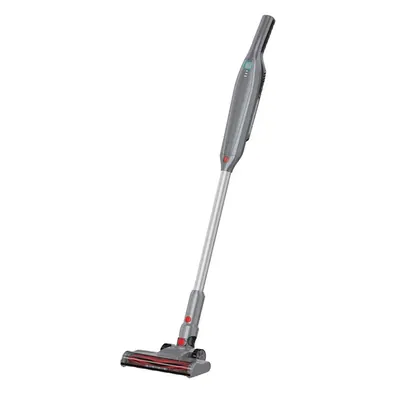
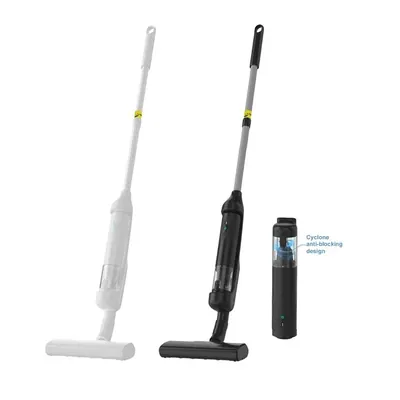
The suction number is not comparable between listings
Handheld vacuum suction is quoted in kilopascals, in air watts, or occasionally in both, and the two describe different things. Kilopascals measure the pressure the motor can pull — how hard it holds. Air watts measure the power actually delivered in airflow — how much it moves. A vacuum can be strong on one and weak on the other.
Worse, the same unit can be measured at the sealed inlet or in free air, and the two figures differ substantially for the same machine. A listing quoting a high pressure figure at the sealed inlet is not lying, but it is not describing what happens when the nozzle is moved across a carpet.
For a buyer comparing models, the practical answer is to compare like with like and to test the sample on the surface it will be used on. A handheld vacuum for a car interior and one for a kitchen floor have different requirements, and the same number means different things in each.
Specification decisions that move the unit cost
| Decision | What it changes | Why it moves the price |
|---|---|---|
| Motor and air path | Motor class, and how tightly the housing is sealed around it | A higher-spec motor costs more, and the sealing is what makes the suction reach the nozzle rather than leak inside the housing |
| Filtration | Bag, single cyclone, or multi-cyclone with a washable filter | Cyclones add mouldings and assembly, and they are what stops the filter clogging and the suction falling away in use |
| Battery | Voltage, cell capacity, run time and whether the pack is shared with other products | Cell cost scales with capacity, and a shared pack across a range concentrates both the cost and the certification work |
| Bin and empty mechanism | Capacity, and whether it empties by a latch or by removing the bin | A one-touch empty is what buyers expect and what they complain about when it is missing |
| Weight and balance | Where the motor and battery sit relative to the handle | A vacuum held at arm's length is judged on weight and balance more than on suction, and balance is a layout decision |
| Nozzles and tools | Crevice tool, brush, upholstery head, extension | Tools are cheap individually and additive as a set, and they are frequently the visible difference at the same price |
The filter is what the product becomes after a month
A handheld vacuum performs at its specification when the filter is clean. As it loads, airflow falls, and the user experiences it as the vacuum losing suction — which is a maintenance issue rather than a fault, but it is the most common reason these products are retired.
The design decisions that decide how that plays out are whether the filter is washable or a consumable, how easy it is to reach and remove, and how visible the need to clean it is. A filter that is hidden behind a housing and requires a screwdriver to reach will not be cleaned, and the product will be judged on its clogged performance.
Where the filter is a consumable, it is also a repeat revenue line, and the same question arises as with water filters: proprietary or cross-compatible. That is a decision worth making deliberately at brief stage, because it affects the housing.
Noise, and why it matters more in a handheld
A handheld vacuum is used close to the user and frequently in a confined space — a car interior, a staircase, a desk. Noise from a motor at arm's length is experienced differently from the same motor on a floor unit, and it is one of the reasons a cordless vacuum is used less than its owner intended.
Noise comes from the motor, the impeller and the airflow through the housing. A larger impeller turning slowly moves the same air more quietly than a small fast one, and sound-absorbing material in the housing path reduces what reaches the user without changing the airflow. Both are tooling decisions.
For a product aimed at car interiors or offices, this is worth specifying rather than accepting a default.
Voltage, plug type and compliance by market
We do not pre-certify every SKU. Testing and certification are arranged for the specific model and the specific market you are ordering for, and quoted as their own line, together with the lithium battery documentation that applies to shipping cordless models.
| Market | Voltage and plug | What is usually required |
|---|---|---|
| European Union | 220–240V for the charger, CEE 7/7 (Schuko) | CE marking with test reports behind it, plus battery documentation for the cell and the charger |
| United Kingdom | 230V for the charger, BS 1363 (Type G) | UKCA marking with the test reports and the same battery documentation |
| North America | 110–120V for the charger, NEMA 1-15 or 5-15 | Listings that retailers and marketplaces accept before the product can be sold |
| Australia and New Zealand | 230–240V for the charger, AS/NZS 3112 (Type I) | Electrical safety approval, with the charger assessed separately |
| Middle East and Southeast Asia | 220–240V for the charger, plug type varies by country | Depends on the destination; conformity documents are frequently required at customs |
Branding, docking and the retail pack
The handle is held throughout use and is the branded surface, applied by pad printing or silk screen on plastic. On a wall-mounted product the dock is visible whenever the vacuum is not in use, which makes it a branding surface as much as a functional one.
Docking is worth deciding early. A wall mount keeps the vacuum charged and to hand; a charging cable alone means the product lives in a cupboard. The choice affects the accessory set, the carton contents and how the product is photographed.
Packaging follows the channel: a color box with the tools laid out for retail, a plain carton for marketplace shipping. Both are proofed before production and the artwork proof is free.
Handheld vacuum questions buyers ask
How do we compare suction between two models?
Compare like with like, and be aware that pressure and airflow are different measurements and can be taken at different points. The reliable comparison is the two samples on the surface the product is meant for, rather than two specification sheets.
Washable filter or consumable?
Both are possible. A washable filter is easier for the customer and removes a repeat line; a consumable filter keeps the aftermarket with your brand. It affects the housing design, so it is worth deciding at brief stage.
Why does the suction drop after a few weeks?
Because the filter is loading. That is a maintenance point rather than a fault, and how often it happens depends on how easy the filter is to reach and clean. Making it obvious in the manual and in the packaging reduces the returns considerably.
What is the minimum order for a handheld vacuum?
It is quoted per model, because it depends on the model and on how much of it is already tooled. Both the minimum order quantity and the lead time are stated on the quotation for the specific model you pick.
Can the same battery be used across a range of products?
Yes, and it is worth doing because it means one charger, one spare battery and one set of battery test reports across several products. It has to be decided before the first model is tooled, so raise it at brief stage.
Do the vacuums come with certification?
We do not claim blanket certification across the catalog. Certification and battery documentation are arranged for the specific model and the specific market you are ordering for, and quoted as their own line.
If the vacuum you need is not in this list, send the specification — format, suction class, battery and tool set — and we will tell you what is available.
Need help choosing?
Send us the product type, target market and estimated volume — we will shortlist models and quote.