Flat Iron OEM & ODM
A flat iron is bought on the plate material and sold on the temperature display, but what a buyer notices in the first week is glide, heat recovery and whether the plates close evenly on a thick section of hair.
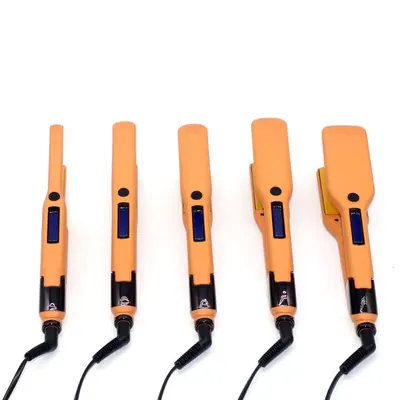
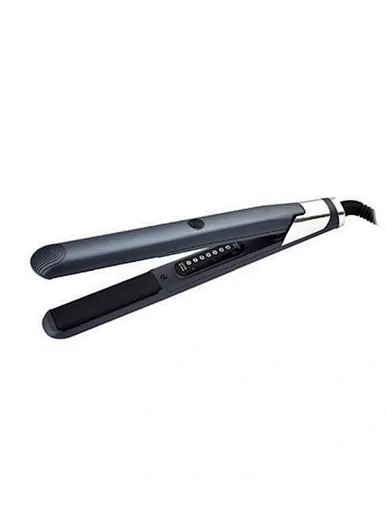
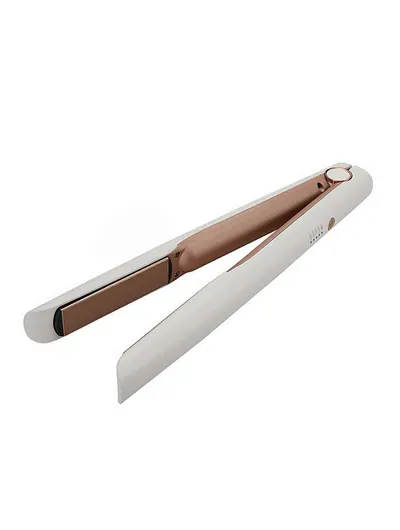
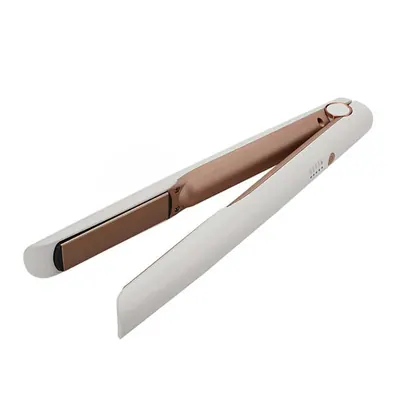
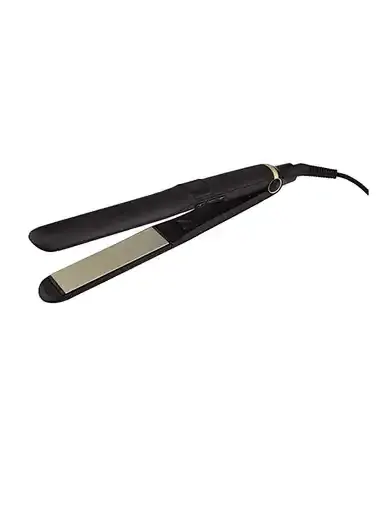
Plate material sets the price, plate edge sets the experience
Ceramic-coated aluminum heats quickly and is the value option; solid ceramic holds heat more evenly but is brittle if dropped; titanium heats fastest and is chosen for thick hair. The coating is what touches the hair, so its smoothness and its thickness decide drag more than the metal underneath.
Rounded plate edges are the detail that separates a comfortable iron from one that leaves a crease. A straight edge catches the hair at the root; a rounded edge lets the section slide through. This is a tooling decision, not a finish option, and it is worth asking about directly.
Temperature control and heat recovery
A digital display shows the set temperature; heat recovery decides whether the plates return to it after a pass. An iron that drops twenty degrees on the first section and takes a minute to recover will need a second pass, and the second pass is where damage happens.
The usable temperature range should start low enough for fine or coloured hair. An iron whose lowest setting is high is a single-user product, not a household one. A lock for the plates and an auto shut-off are the two safety features buyers look for, and both are cheap to add.
Width, voltage and travel
Plate width is a format decision: narrow plates are for short hair, fringes and edges; wide plates are for long, thick sections. A single iron at around 25 mm is the compromise most private labels start with.
Voltage is the other half of the travel question. A dual-voltage iron with a swivel cord and a heat-resistant pouch is the format that sells to buyers who travel; a single-voltage iron with a fixed cord is the domestic format. The plug type has to match the market, and a travel set usually includes adapters rather than a second build.
Specification by market
| Market group | Voltage | Plug | Common format |
|---|---|---|---|
| UK / Europe | 230 V | Type G / Type F | 25 mm plates, digital control |
| 120 V markets | 120 V | Type A / Type B | 25–32 mm plates, analogue dial |
| Japan | 100 V | Type A | Narrow plates, compact body |
| Australia / NZ | 230 V | Type I | 25 mm plates, swivel cord |
Private label decisions that show on the shelf
The body color and the display are the visible differentiators, and a matte finish hides fingerprints better than gloss on a bathroom shelf. A heat-resistant pouch and a plate guard are low-cost inclusions that reduce returns from scorched surfaces.
Carton artwork should show the plate edge and the temperature range, because those are the two things a buyer compares between brands. Manuals are quoted per language set, and the temperature table should use the market's own scale.
Flat iron questions buyers ask
Is a wider plate better?
For long, thick hair, yes: fewer passes. For short hair and edges, a narrow plate reaches where a wide one cannot.
Why does the iron pull at the hair?
Usually a plating edge or a coating that has worn. Rounded edges and a thicker coating reduce drag.
Can one iron serve 120 V and 230 V markets?
Only with a dual-voltage build and the right plug. A single-voltage iron sold into the wrong market will run cold or overheat.
Tell us the plate width, the hair types your market sells to and the control you want, and we will quote the plate set, the pouch and the carton as separate lines.
Need help choosing?
Send us the product type, target market and estimated volume — we will shortlist models and quote.