Fan Heater OEM & ODM
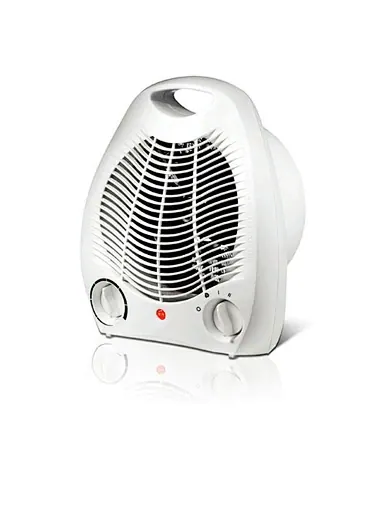
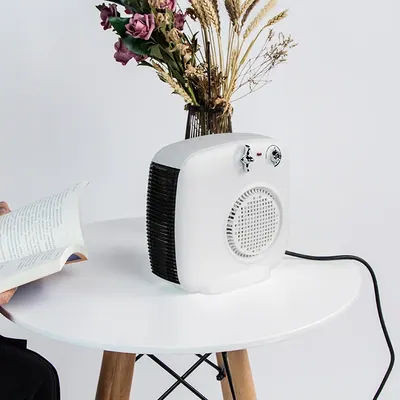
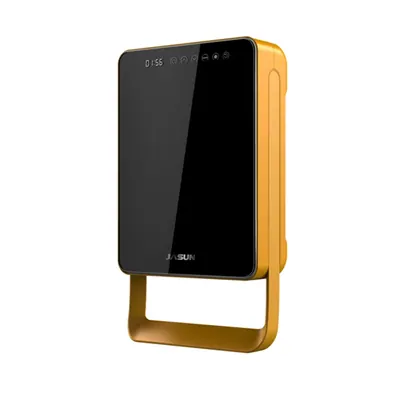
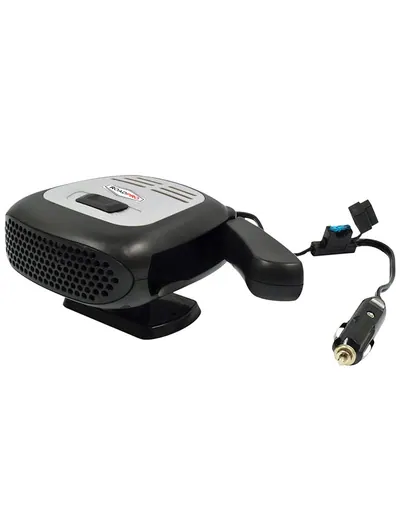
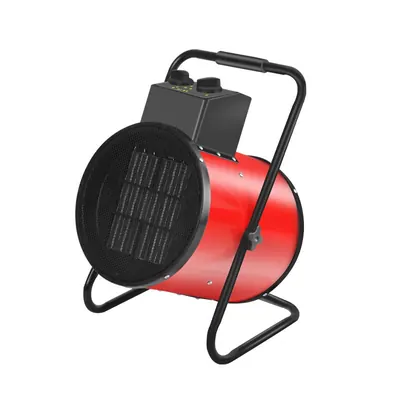
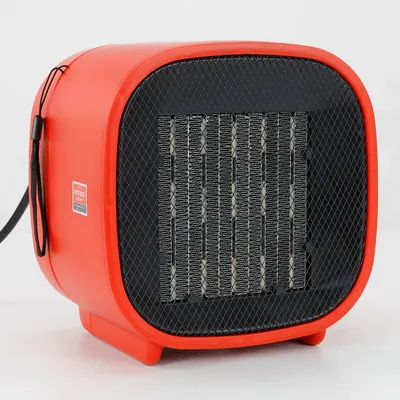
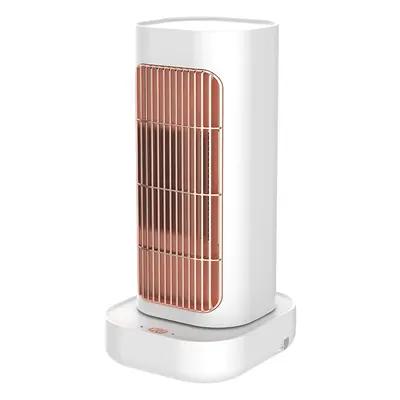
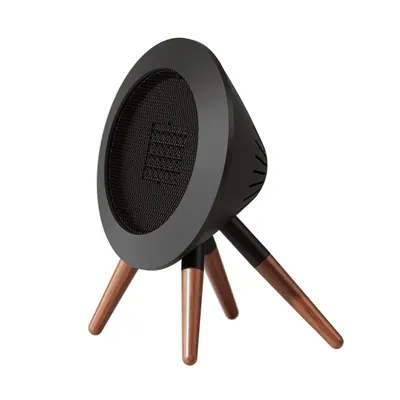
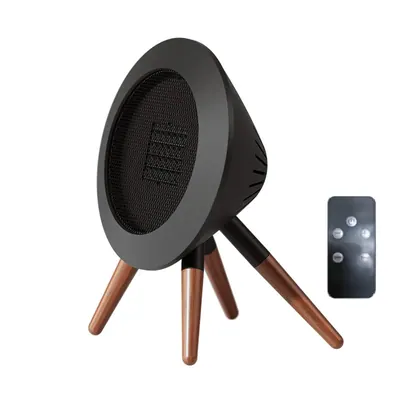
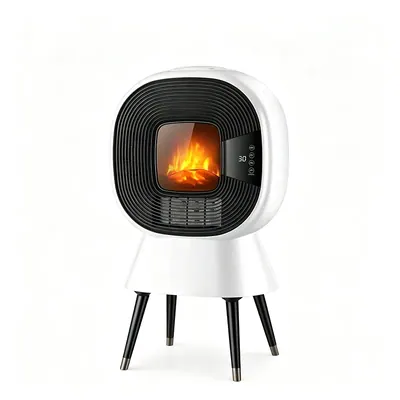
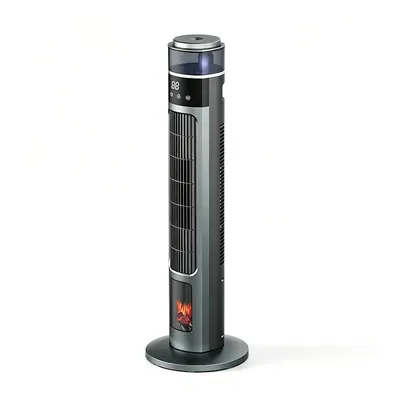
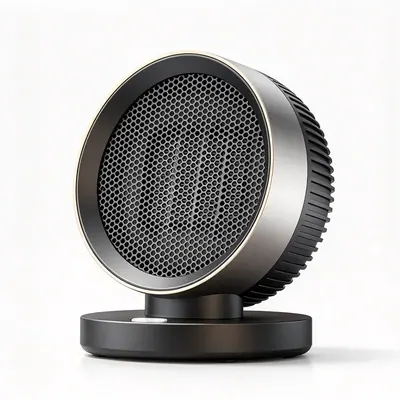
30 fan heater models, from compact desk units to larger oscillating room heaters, with PTC ceramic elements and multiple heat settings. Fan heaters are sold on a wattage figure that says less than buyers think, and returned for a reason that appears on no specification sheet: they are louder than the buyer expected.
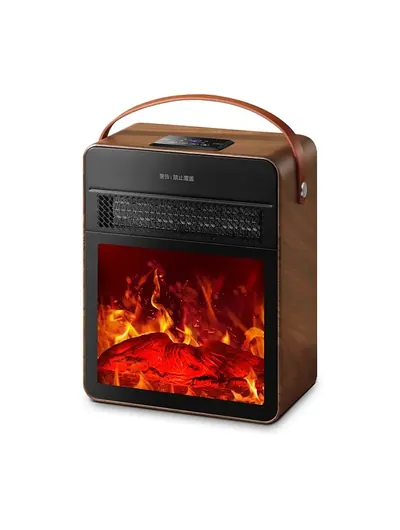
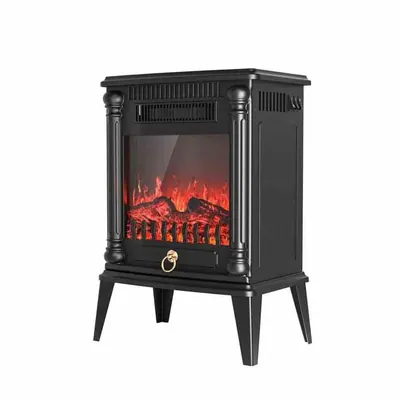
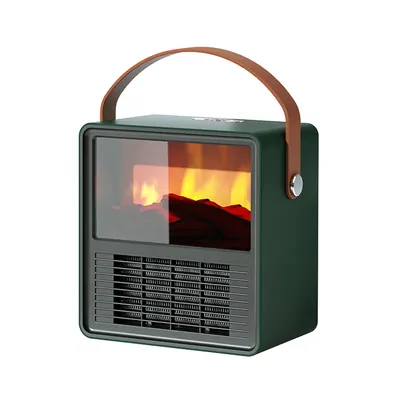
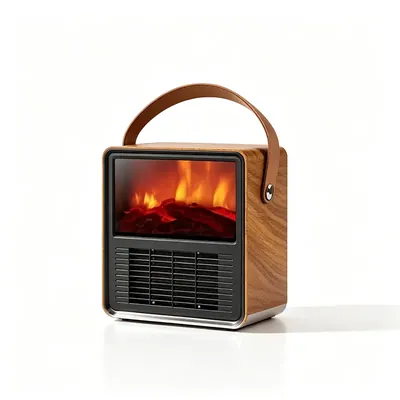
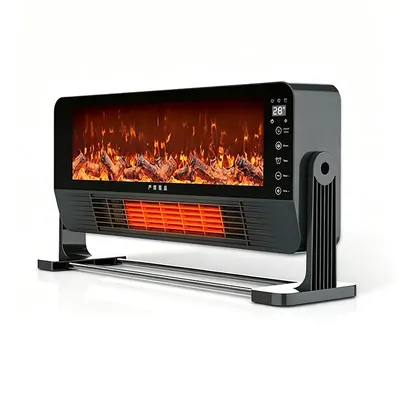
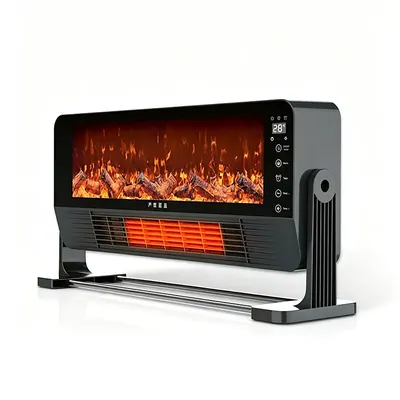
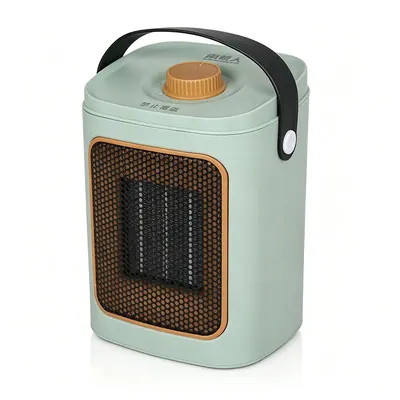
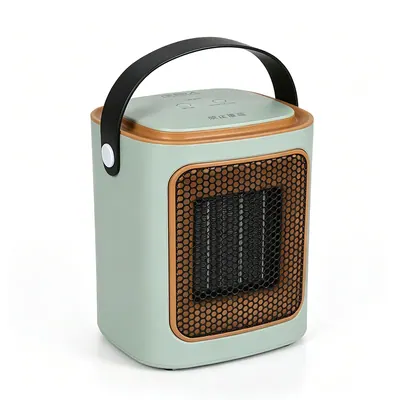
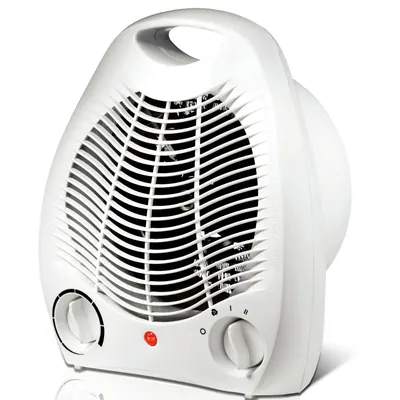
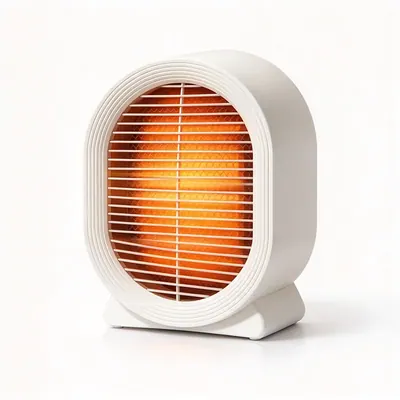
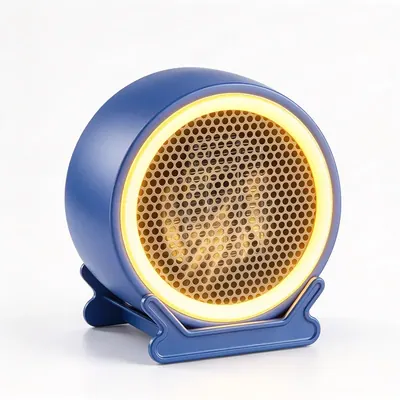
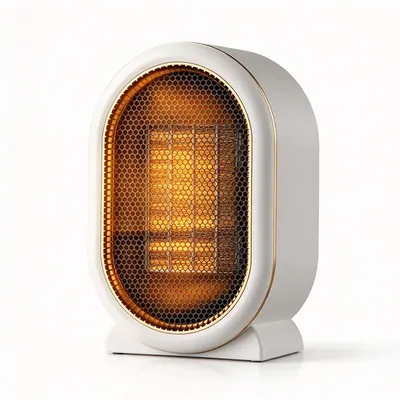
What the wattage actually tells you
A fan heater is usually sold on its maximum wattage, and 2000W is a common headline. That number describes how fast the appliance converts electricity into heat. It does not describe how large a room it can heat, and that is the misunderstanding the category runs on.
A fan heater warms the air it moves. In a small, closed room that is enough to take the chill off. In a larger or draughtier space the heated air mixes with cold air faster than the element can replace it, and the room stays cold however high the wattage. Two 2000W heaters in the same room differ far more in how they distribute air than in how much heat they produce.
The practical consequence is that the airflow design and the shape of the outlet matter as much as the element, and that a physical sample in a real room tells a buyer more than any specification sheet.
Specification decisions that move the unit cost
| Decision | What it changes | Why it moves the price |
|---|---|---|
| Element type | PTC ceramic, wire element, or a halogen or quartz tube | PTC self-limits as it heats and keeps the housing cooler; tube elements are cheaper and radiate rather than circulate |
| Heat settings | One or two fixed levels, or a thermostat with a setpoint | A thermostat adds a sensor and a control loop, and it is the difference between a heater that cycles and one that runs until it is switched off |
| Fan and outlet | Blade profile, fan size and the shape of the grille | A larger, slower fan moves the same air more quietly, and the grille shape decides how far the air is thrown |
| Oscillation | Fixed, or an oscillating base | Adds a motor, a gear train and a swivel joint, and it materially changes how a room feels |
| Safety | Tip-over switch, thermal cut-out, and a housing that stays cool | Baseline expectations in most markets rather than features, and they constrain the housing design from the start |
| Controls | Mechanical dials, or a digital panel with a timer | Electronics and firmware, plus tooling for the panel, and a timer is frequently what buyers compare on |
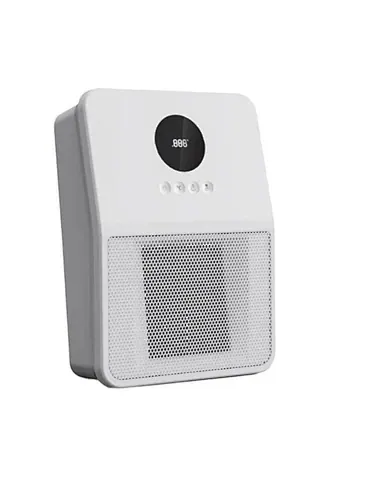
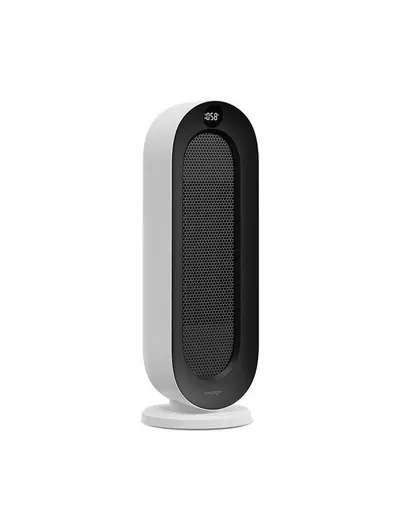
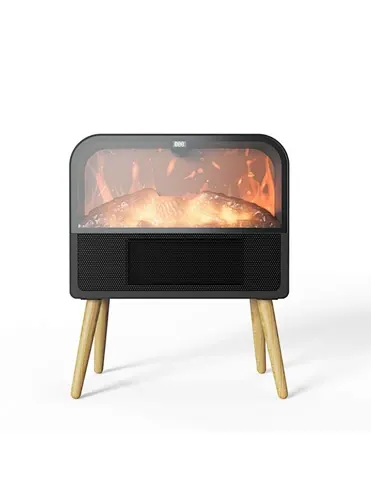
| Format | Desk, upright, tower or wall-mountable | Format decides the moulding size, the carton volume and which retail channel the product suits |
Noise, and why a bigger fan is often the quieter one
Noise is the most common complaint about fan heaters and the reason many are bought once and not replaced. It comes from the blade passing air, the motor, and the turbulence where air leaves the grille.
The counter-intuitive part is that a physically larger unit is frequently quieter than a small one at the same heat output. Moving a given volume of air requires either a large fan turning slowly or a small fan turning fast; the first is quiet and the second is not. Insulating a small fast fan does not make it quiet, it makes it muffled.
Because the airflow path is set by the housing, this is a tooling decision. A buyer who needs a heater for a bedroom or an office should say so at brief stage, and should confirm the result on a sample in a quiet room rather than on a bench.
Safety features that are not optional
A heating appliance with a mains element and a moving fan carries requirements that cooling appliances do not. A tip-over switch that cuts power when the unit falls, a thermal cut-out that trips before the housing reaches a temperature that would soften it, and a grille that keeps fingers away from the element are expected in most markets rather than sold as features.
These constraints are cheap to design in and expensive to add. A housing designed without a tip-over switch has to be re-tooled to take one, and the placement of the cut-out affects the internal layout.
For a buyer, the useful question is not whether the features exist but whether they have been tested on the specific model — which is a documentation question, and one we will answer for the model you name rather than for the category.
Voltage, plug type and compliance by market
We do not pre-certify every SKU. Testing and certification are arranged for the specific model and the specific market you are ordering for, and quoted as their own line. Space heaters also carry energy labeling and ecodesign requirements in some markets, which are part of the same quotation.
| Market | Voltage and plug | What is usually required |
|---|---|---|
| European Union | 220–240V, CEE 7/7 (Schuko) | CE marking with test reports behind it, plus energy labeling and ecodesign conformity for local space heaters |
| United Kingdom | 230V, BS 1363 (Type G) | UKCA marking with the test reports and the equivalent energy label |
| North America | 110–120V, NEMA 1-15 or 5-15 | Listings that retailers accept, plus the safety requirements that apply to a mains heating element |
| Australia and New Zealand | 230–240V, AS/NZS 3112 (Type I) | Electrical safety approval, and an energy rating label for some heater types |
| Middle East and Southeast Asia | 220–240V, plug type varies by country | Depends on the destination; conformity documents are frequently required at customs |
Branding, packaging and the seasonal order
Fan heaters are seasonal, which makes the ordering calendar as important as the specification. A winter order that arrives late has no second chance, and the position in the season frequently matters more than the difference between two similar models.
The logo goes on the housing, applied by pad printing or silk screen on plastic and heat transfer on coated surfaces. Because these products are sold from a shelf with the box visible, the box front carries the decision, and a photographic color box sized for the shelf is worth the cost difference over a plain carton.
Both are proofed before production, and the artwork proof is free.
Fan heater questions buyers ask
How large a room will a 2000W fan heater heat?
There is no honest single answer, because it depends on the room's insulation, the outside temperature and the airflow the heater produces. A fan heater warms the air it moves, and in a large or draughty space the air mixes faster than the element can replace the heat. The way to judge it is with a sample in the room it is intended for.
Why do fan heaters get returned?
Usually noise, and occasionally the expectation that it would heat a larger space. Both are addressed before tooling rather than after: a larger, slower fan is quieter, and clear guidance in the listing prevents the second.
Ceramic or wire element?
A PTC ceramic element self-limits as it heats and keeps the housing cooler, which suits a product where the user may touch it. A wire or tube element is cheaper and radiates rather than circulates. Both are available and the choice follows the price point.
What is the minimum order for a fan heater?
It is quoted per model, because it depends on the model and on how much of it is already tooled. Both the minimum order quantity and the lead time are stated on the quotation for the specific model you pick.
Do the heaters come with certification?
We do not claim blanket certification across the catalog. Certification and any energy labeling are arranged for the specific model and the specific market you are ordering for, and quoted as their own line.
Can we see a sample before ordering in bulk?
Yes. A production sample is produced and shipped before bulk production, and for this category we recommend running it in a quiet room, because the sound level is the specification most likely to decide whether the product is kept.
If the heater you need is not in this list, send the specification — format, wattage, controls and target market — and we will tell you what is available.
Need help choosing?
Send us the product type, target market and estimated volume — we will shortlist models and quote.