Dust Mite Remover OEM & ODM
A dust mite remover is sold as an allergen device, and the part that decides whether it works is not the suction — it is the UV dose and the beating frequency. Those two are also the two the marketing never quantifies.
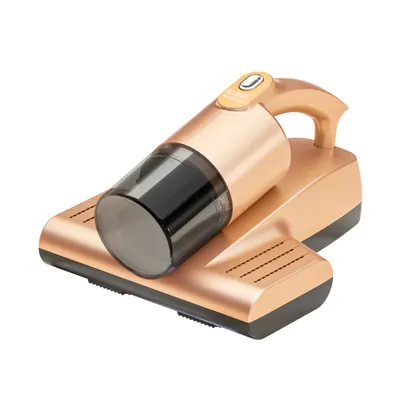
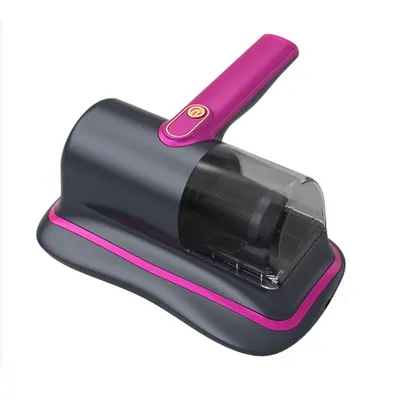
Three mechanisms, and only one of them needs time
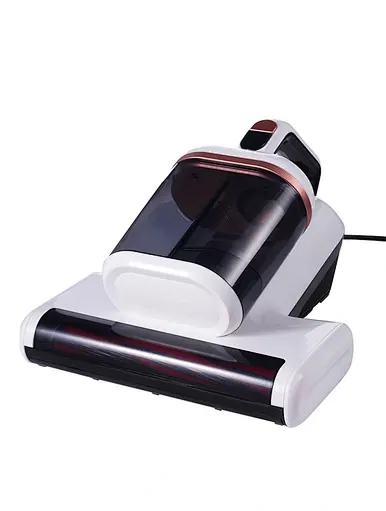
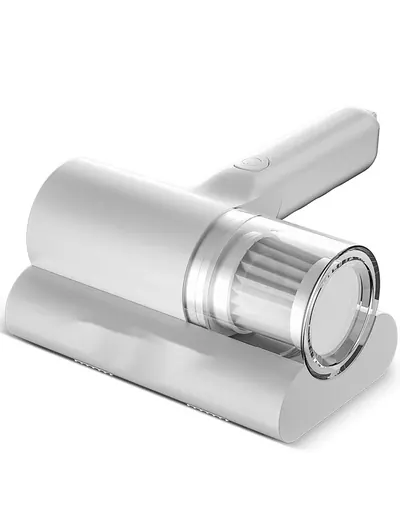
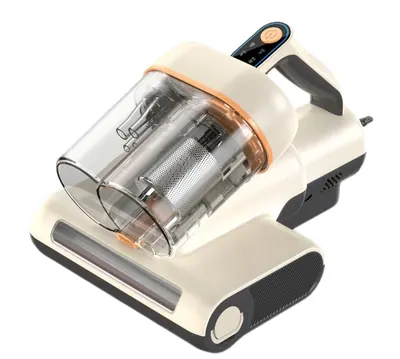
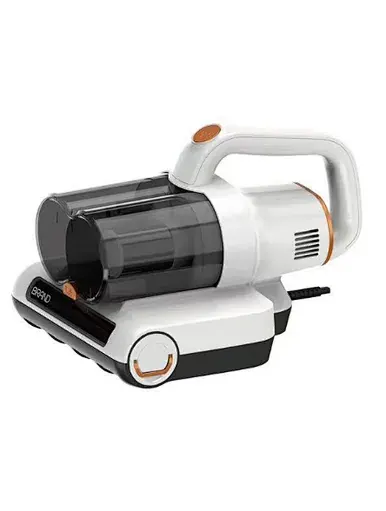
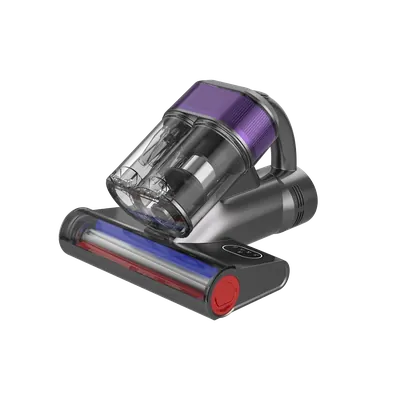
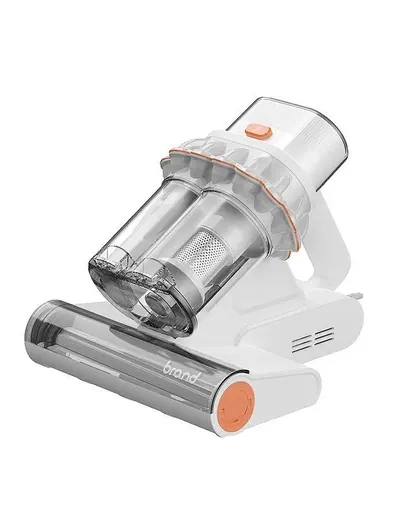
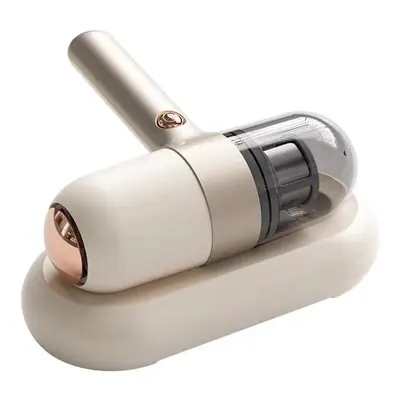
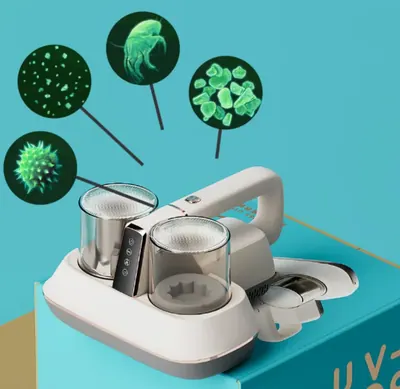
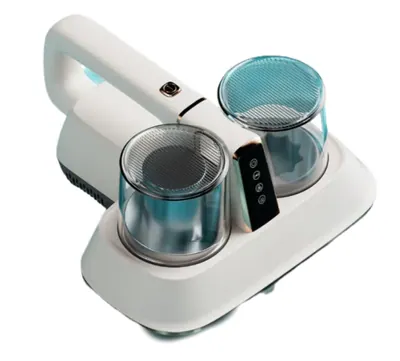
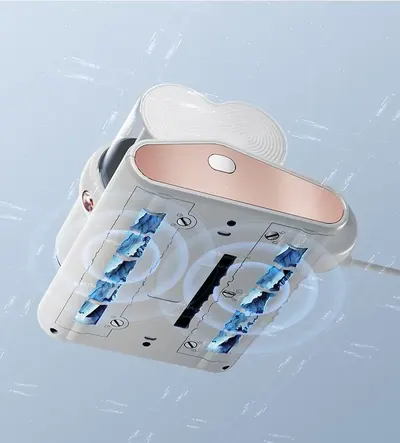
A mite remover combines suction, a rotating brush or beater, and a UV lamp. The suction removes dust, skin scales and the mites living in them. The beater lifts the fiber so the suction can reach deeper. The UV lamp is meant to damage the mites and their eggs.
The first two work at any speed a customer will actually push the device. The UV does not: dose is intensity multiplied by dwell time, and a hand-held unit moving at normal speed exposes each patch of mattress to the lamp for a fraction of a second. That is enough to be a nice claim and not enough to be a treatment, which is why the honest specification is UV intensity at the mattress surface plus the wavelength, not the wattage of the lamp.
The beater is the working part
Mites live in the fiber, not on the surface, so a unit without a beater is a vacuum cleaner with a lamp. Beating frequency — typically 3,000 to 8,000 strokes per minute on the better units — is what shakes the fiber and brings the debris up into the airflow.
A higher frequency costs a better motor and better balancing, and it is where a cheap unit becomes a noisy one. Vibration transmitted into the housing is the usual complaint, and it is a mounting problem rather than a motor problem.
| Feature | What it does | Specification that matters | Cost effect |
|---|---|---|---|
| Suction | Removes dust and debris | Airflow and sealed pressure | Moderate — motor and sealing |
| Beater / brush | Lifts fiber so debris reaches the airflow | Strokes per minute and balance | High — motor, bearings, damping |
| UV lamp | Damages mites and eggs on the surface | Wavelength and intensity at the surface | Moderate — lamp plus interlock |
| HEPA exhaust | Keeps fine dust out of the room air | Filtration class and seal quality | Moderate — filter and housing seal |
| Heated pad / ironing | Dries the surface to make it hostile to mites | Surface temperature and dwell | Low — element plus thermostat |
HEPA on the exhaust is not optional
The point of the product is allergen reduction, so anything the machine lifts has to be captured rather than blown back into the room. A HEPA-grade exhaust filter with a proper seal does that; a thin foam pad does not, and the difference is visible within a minute of use under a light.
The seal matters as much as the media. Air takes the easiest path, so a filter that does not seat against the housing lets dust bypass the media entirely. In this category the filter frame and its gasket are a design element, not an accessory.
Heating, and the second mechanism that actually kills mites
Mites die above roughly 55 °C, and they die faster in dry air. That is why some units add a heated plate or a hot-air function: it is a slower mechanism than UV but it works on a surface rather than a spot, and it can be verified with a thermometer.
For a program aimed at allergy households, the honest combination is suction plus beater plus HEPA, with UV and heat as supporting features and the claims written to match what can be measured. A specification that promises sterilization from a hand-held lamp is a specification that will be tested by a customer with a mite test kit.
Market configuration and what changes
| Market | Voltage | Plug | What changes in the spec |
|---|---|---|---|
| EU / UK | 220–240 V | C / F, G | Noise declaration, WEEE registration, UV warning labeling |
| North America | 110–120 V | A / B | Higher current, different cord gauge, UL-style marking |
| Japan | 100 V | A | Re-rated motor and suction at the lower voltage |
| South Korea | 220 V | C / F | KC marking and a mandatory UV safety interlock |
| Middle East | 220–240 V | C / G | Dust-load rating wanted, larger filter, longer cord |
Dust mite remover questions buyers ask
Does the UV lamp actually kill mites?
It damages them, but dose is intensity times dwell time, and a hand-held unit passes over any patch of mattress in a fraction of a second. Treat UV as a supporting claim, verify the intensity at the surface, and rely on the beater plus HEPA for the result.
How often should the filter be replaced?
It depends on how much is vacuumed, but the practical answer is that the filter is a consumable and should be designed to be replaced without tools. A filter that cannot be changed cheaply turns the product into a disposable one.
What is the difference between this and a normal vacuum?
The beater and the sealed HEPA path. A normal vacuum removes surface dust; the beater lifts fiber so the debris underneath reaches the airflow, and the sealed filter keeps it out of the room. Without either, the product is a vacuum with an extra cost.
Which claims can be substantiated?
Suction, airflow, beating frequency, filtration class and surface temperature can all be measured on the bench. Allergen reduction claims need a test protocol agreed in advance, and a brand that prints one without it is exposed at the first return.
Send the target market and the claim you intend to print, and we will tell you which specification supports it and which one will not survive a test.
Need help choosing?
Send us the product type, target market and estimated volume — we will shortlist models and quote.