Drum Vacuum Cleaner OEM & ODM
A drum vacuum is bought for capacity and sold on watts, and the two numbers that decide whether it picks up water without destroying itself are the float valve and the filter arrangement. Get either wrong and the motor ingests water.
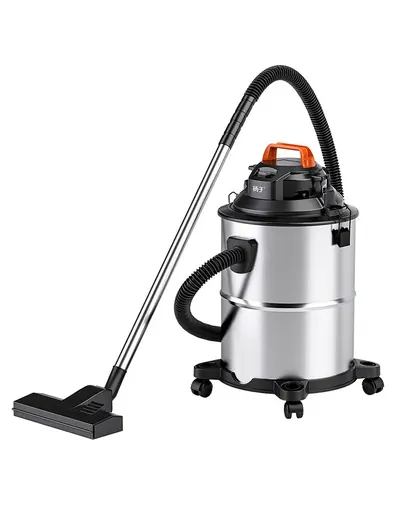
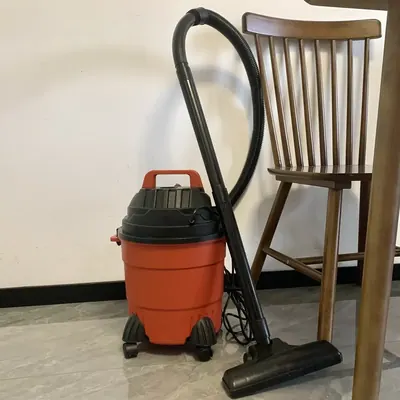
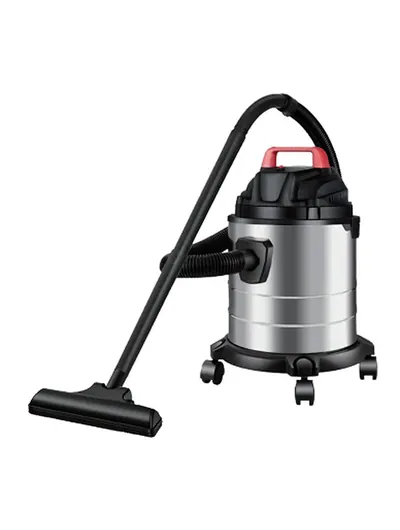
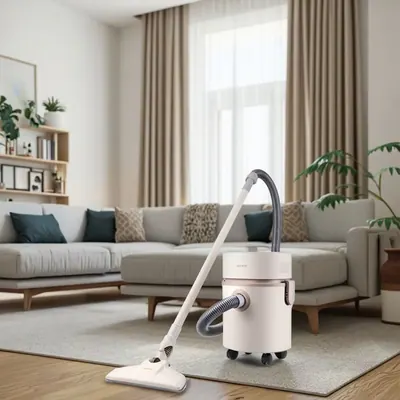
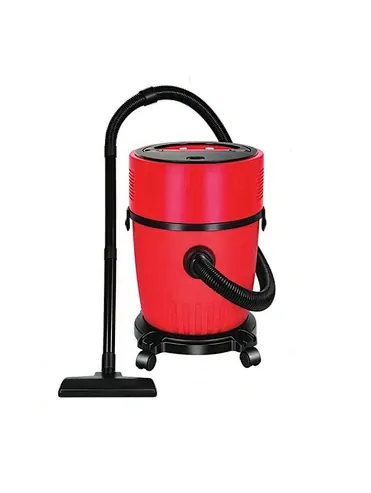
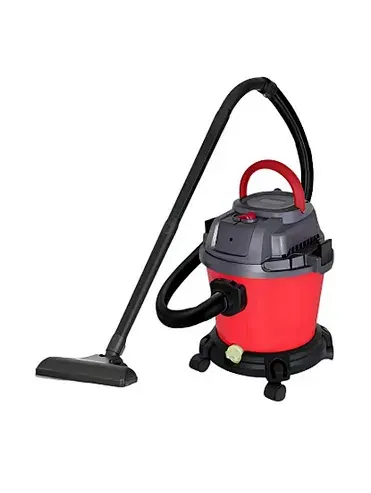
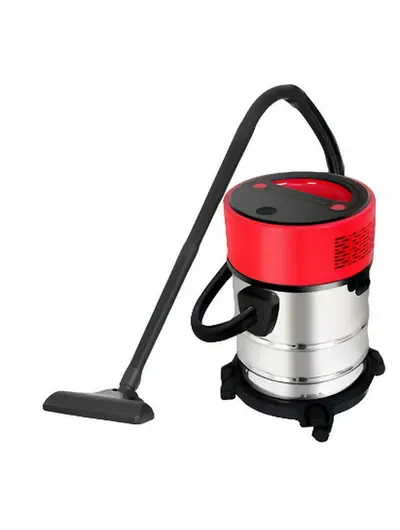
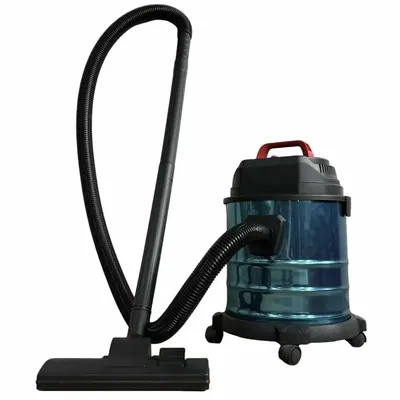
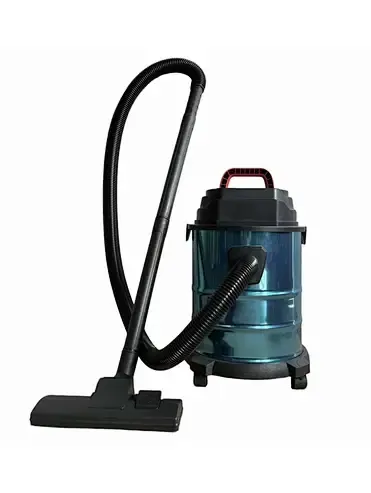
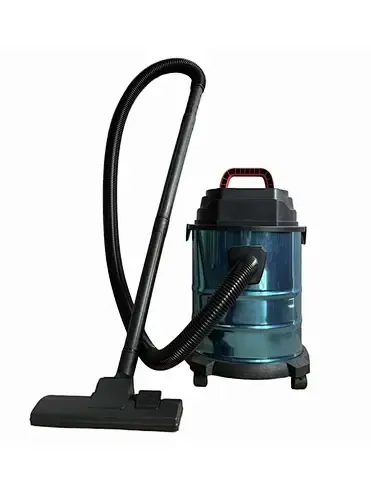
Wet and dry are two different machines sharing a tank
A dry vacuum uses a pleated or bag filter; a wet vacuum must remove that filter, or it will be ruined by the first liter of water. The switch between the two modes is a physical operation the customer has to perform, and the design has to make it obvious — a coloured filter cage, a float that rises, and a lid that only closes one way.
The failure mode is predictable: a customer vacuums dust, then water, without removing the filter. A machine that tolerates that once is a machine that survives the first week of ownership.
The float valve is the safety device
When the tank fills, a float rises and cuts the airflow before water reaches the motor. If the float sticks, jams with debris, or is missing, water goes into the motor and the machine is scrap. It is a cheap plastic part and it is the one that matters most.
Design details that keep it working: a float cage that debris cannot jam, a float that is visible so the customer can see it move, and a lid geometry that does not let the float be refitted backwards. All of those are tooling decisions made once.
| Mode | Filter | What must change | Failure if ignored |
|---|---|---|---|
| Dry pickup | Pleated cartridge or bag | Filter fitted, float free | Fine dust through the motor |
| Wet pickup | No pleated filter, foam only | Cartridge removed | Filter destroyed, motor flooded |
| Blowing | Hose on the outlet | Filter fitted | Dust blown back into the room |
Suction, airflow and hose diameter
A drum vacuum is judged on airflow for debris and on water lift for liquid. Those are different measurements: high airflow clears sawdust, high water lift pulls water up a hose. A single-stage motor trades one against the other; a two-stage (bypass) motor does both better and costs more.
Hose diameter sets what the machine can swallow. A 32 mm hose blocks on chips and long debris; a 38 mm hose moves more air and blocks less but is heavier. For workshop use, 38 mm is the practical choice.
Tank size, weight and the reason customers stop using it
A 30 liter tank holds a lot and weighs a lot when full. The tank capacity has to be matched to the wheels and the handle, or the machine stays in the corner. The practical compromise for a household-cum-workshop product is 15 to 20 liters with good castors.
Cable and hose storage matter more than they sound: a vacuum that takes two minutes to assemble is used less often. An on-board hose hook and a cable wrap are cheap features with a disproportionate effect on how often the product is used.
Market configuration at a glance
| Market | Voltage | Plug | What changes |
|---|---|---|---|
| EU / UK | 220–240 V | C / F, G | Noise and energy declaration, WEEE, dust-class labeling if sold as hazardous-dust rated |
| North America | 110–120 V | A / B | Higher current; often 6–12 gallon tanks |
| Japan | 100 V | A | Re-rated motor, smaller tanks |
| Australia / NZ | 230–240 V | I | Insulated pins, dust-class labeling |
Drum vacuum questions buyers ask
Can one machine do wet and dry?
Yes, but only if the filter is removed for wet pickup and the float is free. A machine that does not make that obvious will be used wrongly in the first week, and that is a design problem, not a customer problem.
What is water lift and why does it differ from airflow?
Water lift is how high the machine can pull liquid up a hose; airflow is how much air it moves. High airflow clears debris, high water lift clears liquid, and a single-stage motor trades one against the other.
What breaks first?
The motor, from water ingestion when the float jams or the filter is left in for wet pickup. After that, the hose and the switch. The float is the cheapest part on the machine and the one that protects the most expensive one.
What should be measured on a sample?
Airflow and water lift, pickup time for a fixed weight of sawdust, and the float cut-off point measured by filling the tank slowly. That last test is the one that predicts failures.
Tell us the debris and the liquid you expect it to handle and the tank size you want, and we will specify the float arrangement and the hose diameter together.
Need help choosing?
Send us the product type, target market and estimated volume — we will shortlist models and quote.