Bladeless Fan OEM & ODM
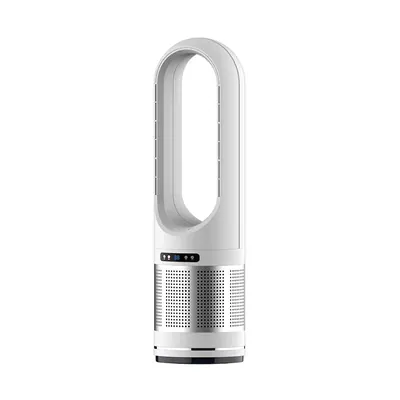
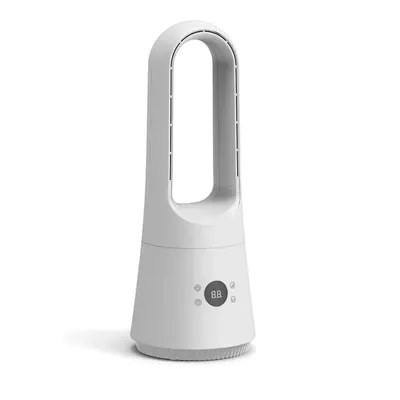
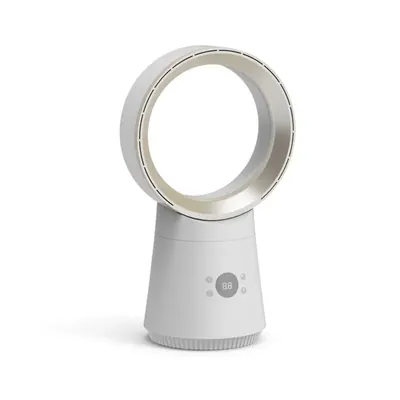
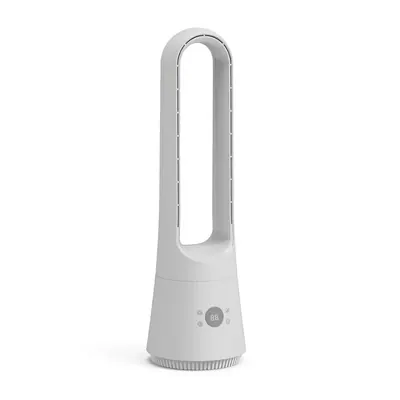
25 bladeless and air-multiplier fan models, in tower, desk and floor formats with oscillation and humidifying variants. The name describes the visible part of the product and not the whole of it, and the most common misapprehension about the category is worth correcting at the start: a bladeless fan is not a silent fan.
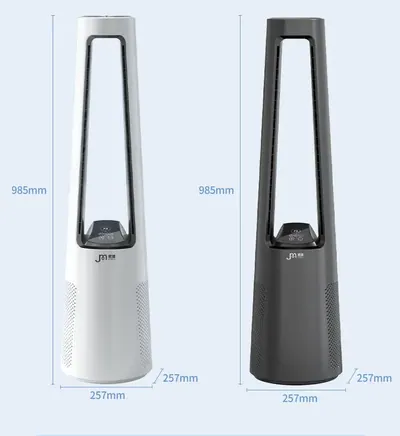
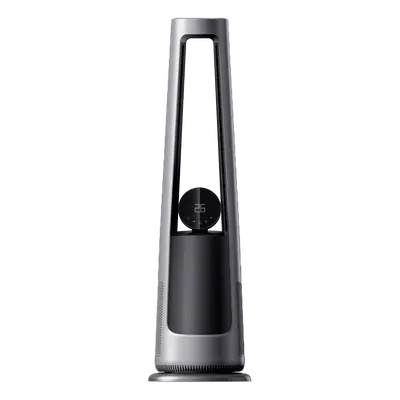
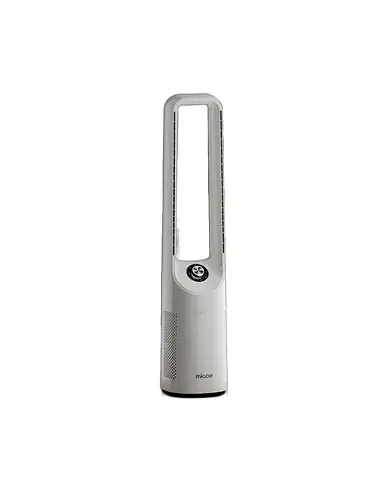
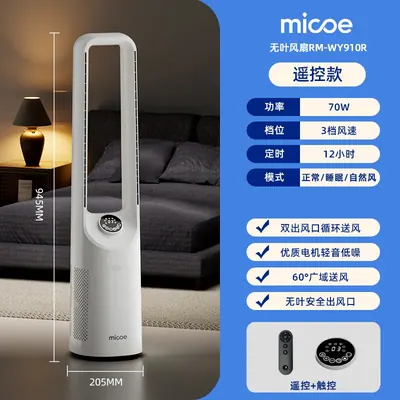
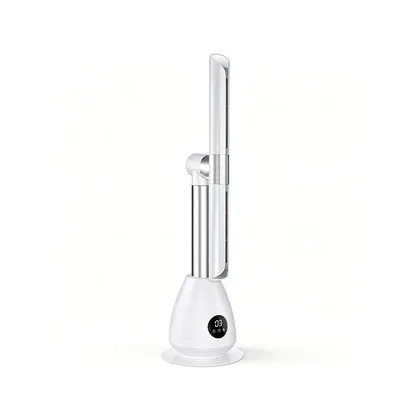
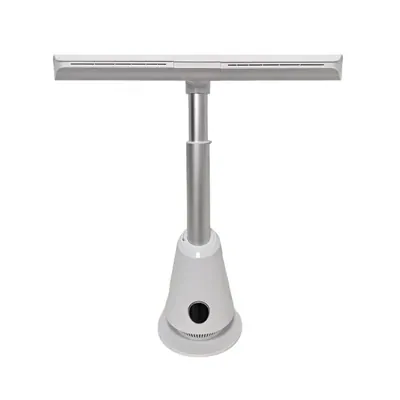
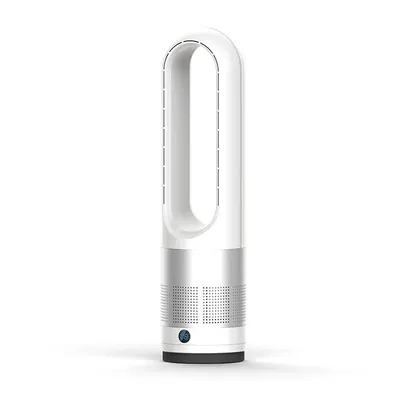
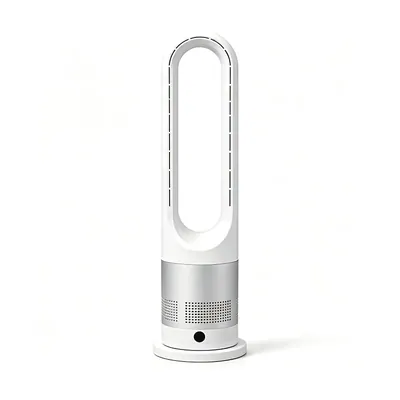
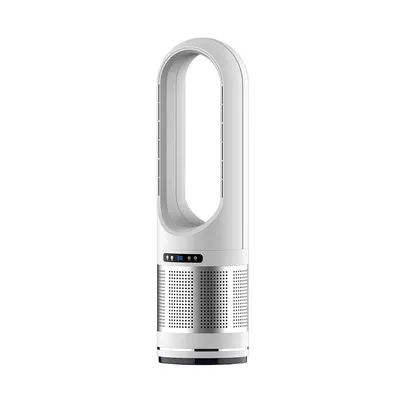
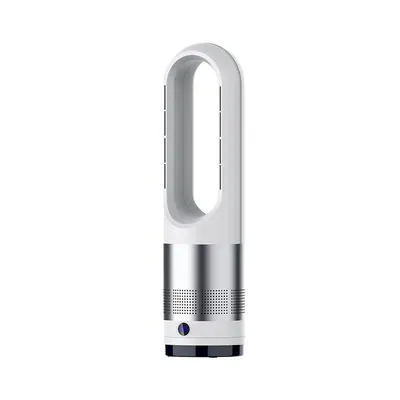
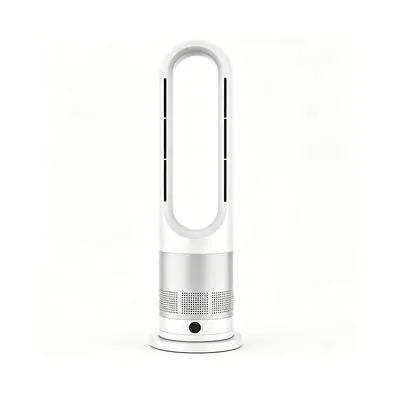
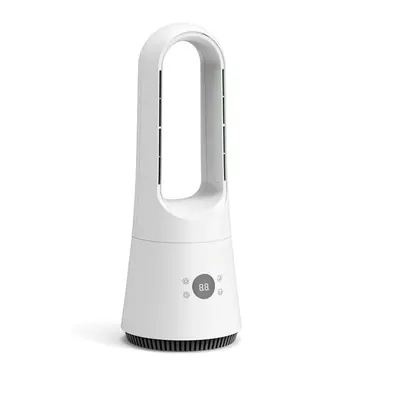
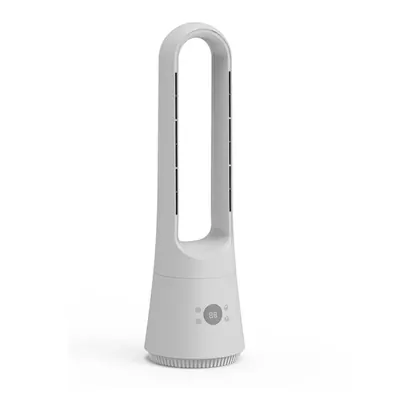
Where the air actually comes from
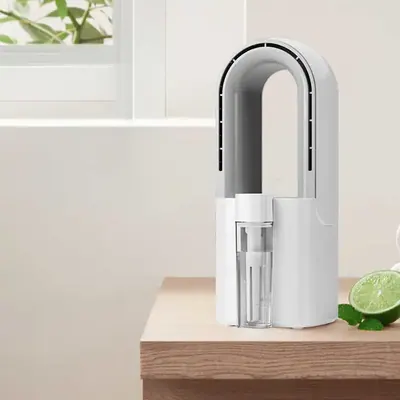
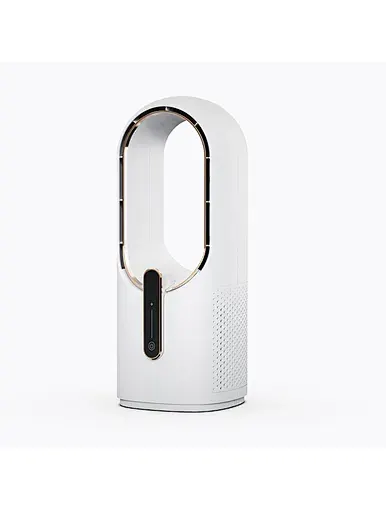
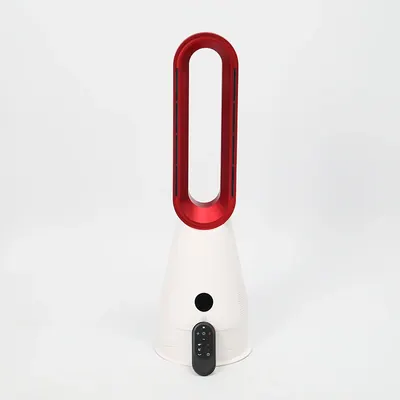
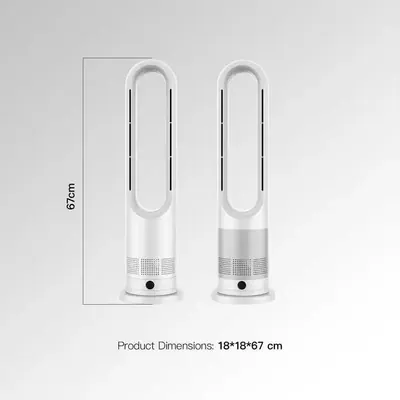
A bladeless fan has no exposed blades because the impeller is inside the base. The base draws air in through slots, pressurises it and pushes it out through a narrow opening around the inside of the loop. The moving sheet of air drags surrounding air with it, which is why the airflow leaving the loop is several times the volume drawn into the base.
Two consequences follow. The first is safety, which is what the format is genuinely good at: nothing rotates where fingers or hair can reach. The second is that the noise the product makes still exists, because the impeller, the motor and the airflow through the base are all still there.
Understanding where the air comes from explains why two bladeless fans at the same quoted airflow can differ so much in how they sound, and why the size of the base is not incidental.
Bladeless is not silent, and saying so is good for the product
The category is marketed on the assumption that removing the visible blades removes the noise, and buyers who purchase on that assumption return the product. The motor is in the base, and the sound it makes is different in character from a conventional fan — smoother and less chopped, because there is no blade passing a grille — but it is not absent.
Where the format genuinely wins on sound is at low speed. A conventional fan at low speed produces a pulsing tone from the blade passing the guard; an air multiplier produces a smoother sound at the same airflow. At high speed the base impeller has to work hard and the difference narrows considerably.
That is worth stating plainly in a listing rather than leaving the customer to discover it. A product described as quiet at low speed meets expectations; one described as silent does not.
Specification decisions that move the unit cost
| Decision | What it changes | Why it moves the price |
|---|---|---|
| Base motor and impeller | The motor class, and how much pressure the base can generate | The air multiplier effect depends on the pressure at the loop opening, so the base is where the performance is bought |
| Loop geometry | The size of the loop, and the width and shape of the outlet slot | The slot decides how much surrounding air is entrained; a poorly shaped slot loses the effect the format is sold on |
| Diffuser and internal path | How the air is straightened before it leaves the base | Turbulence inside the base becomes noise at the outlet, and straightening it is a moulding decision |
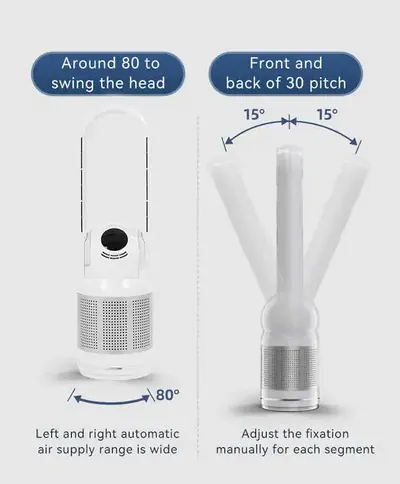
| Oscillation | Fixed, motorised oscillation, or a manual sweep | Adds a motor, a gear train and a swivel connection, and it materially changes how a room feels |
| Humidifying variant | Whether a water tank and a misting element are added | Adds a tank, a seal and an element, and it introduces a water-contact material question to a product that otherwise had none |
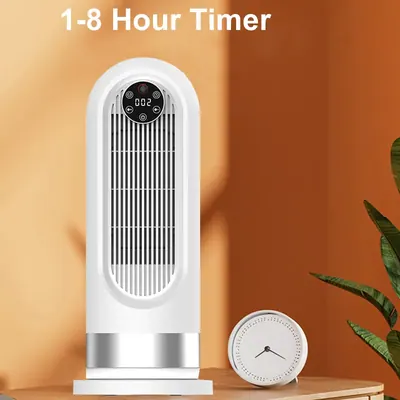
| Format | Desk, tower or floor standing | Format decides the moulding size, the carton volume and which retail channel the product suits |
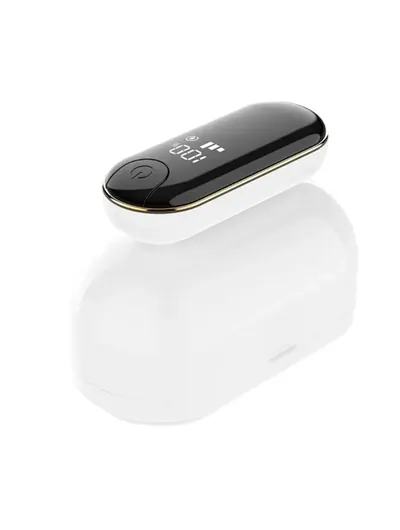
| Controls | Mechanical, touch panel, or remote and app control | Electronics and firmware, plus tooling for the panel, and remote control is frequently what buyers compare on |
The humidifying variants need their own decisions
Several models in this category add a misting function, which turns a fan into a fan and humidifier in one housing. That is attractive on a shelf and it introduces a set of considerations the fan alone did not have.
Water contact is the first. Tank material, the seal around it, and how easily the tank can be emptied and dried all decide whether the product develops a smell between uses, which is the most common complaint about combination units. The mist output is the second: a rate that is adequate in a small room is invisible in a larger one, and a rate that is too high wets the surfaces around the unit.
Where a buyer intends to sell a combination product, it is worth deciding whether the humidifying function is a genuine second function or a marketing addition. The two are built differently, and only one of them reviews well.
Voltage, plug type and compliance by market
We do not pre-certify every SKU. Testing and certification are arranged for the specific model and the specific market you are ordering for, and quoted as their own line, with water-contact material documentation added where the model humidifies.
| Market | Voltage and plug | What is usually required |
|---|---|---|
| European Union | 220–240V, CEE 7/7 (Schuko) | CE marking with test reports behind it; humidifying models also need water-contact material documentation |
| United Kingdom | 230V, BS 1363 (Type G) | UKCA marking with the test reports and the same material documentation where applicable |
| North America | 110–120V, NEMA 1-15 or 5-15 | Listings that retailers and marketplaces accept before the product can be sold |
| Australia and New Zealand | 230–240V, AS/NZS 3112 (Type I) | Electrical safety approval, with the same addition for humidifying models |
| Middle East and Southeast Asia | 220–240V, plug type varies by country | Depends on the destination; conformity documents are frequently required at customs |
Branding, and why the loop is a branding surface
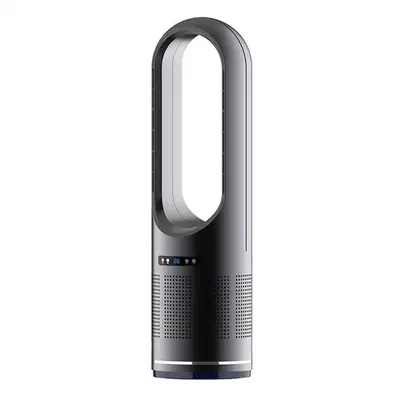
The loop of a bladeless fan is a large, smooth, visible surface, and it is one of the few places on a household appliance where a logo can sit without looking applied. Pad printing and silk screen suit plastic loops, and a printed band or a two-tone moulding is a common way to carry a brand color across a range.
Because the format is distinctive, these products photograph well and sell on appearance more than conventional fans do, which makes finish and color decisions more commercially significant than in the rest of the category.
Packaging is usually a color box sized for a shelf, with carton volume worth watching because a tower format is bulky relative to its price. Both the logo and the packaging are proofed before production and the artwork proof is free.
Bladeless fan questions buyers ask
Is a bladeless fan quieter than a conventional one?
At low speed it usually is, because there is no blade passing a guard to produce a pulsing tone. At high speed the difference narrows, because the base impeller has to work hard. It is not a silent product, and describing it as quiet at low speed meets expectations better than describing it as silent.
Why do bladeless fans cost more?
Because the base has to generate enough pressure at the loop opening for the air multiplier effect to work, which is a better motor and a more carefully shaped internal path than a conventional fan needs. The loop and the slot geometry add tooling on top of that.
Is the humidifying version worth offering?
It can be, if the humidifying function is a real one. That means a tank that is easy to empty and dry, a mist rate that suits the room, and water-contact materials chosen for it. A misting function added for the listing rather than for the user is the version that generates complaints.
What is the minimum order for a bladeless fan?
It is quoted per model, because it depends on the model and on how much of it is already tooled. Both the minimum order quantity and the lead time are stated on the quotation for the specific model you pick.
Do the fans come with certification?
We do not claim blanket certification across the catalog. Certification is arranged for the specific model and the specific market you are ordering for, and quoted as their own line. Ask us about the model you are considering and we will tell you what exists for it today.
Can we see a sample before ordering in bulk?
Yes. A production sample is produced and shipped before bulk production, and we recommend running it at the speed the customer will actually use, because that is where the sound and the airflow are decided.
If the fan you need is not in this list, send the specification — format, airflow class, controls and whether a humidifying function is required — and we will tell you what is available.
Need help choosing?
Send us the product type, target market and estimated volume — we will shortlist models and quote.